The U.S. Supreme Court ruled Thursday that federal immigration officials may turn away migrants seeking asylum at the U.S.-Mexico border until they have entered the United States, reversing lower court decisions that had reached the opposite conclusion, as reported [1] by The Gateway Pundit.
In a 6-3 decision, the Court held that migrants cannot apply for asylum before they have entered the country. The ruling represents a victory for the Trump administration as it continues implementing its border enforcement policies.
Justices Sonia Sotomayor, Elena Kagan, and Ketanji Brown Jackson dissented from the decision. In an uncommon step, Sotomayor delivered her dissent orally from the bench.
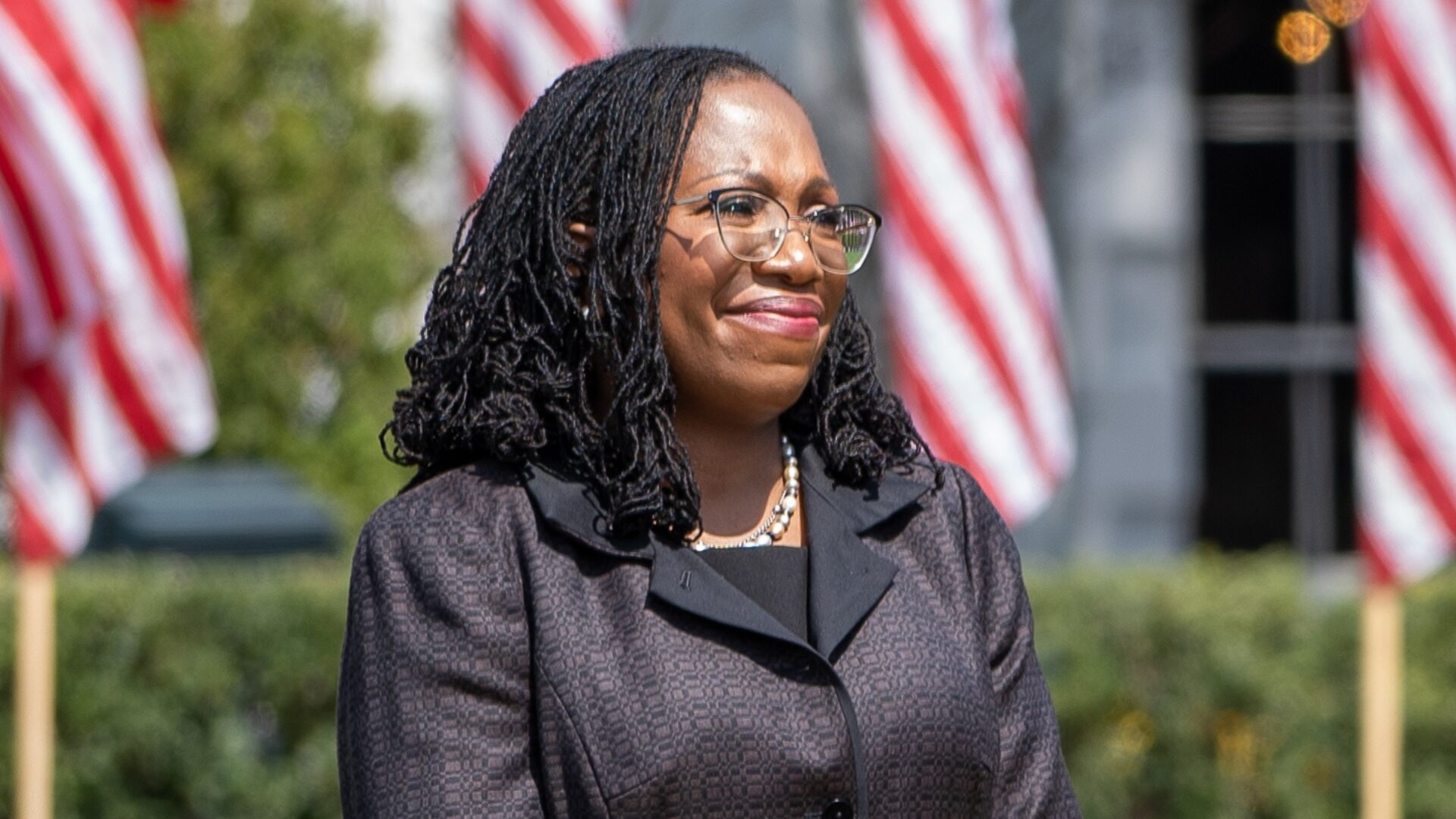
Justice Samuel Alito authored the majority opinion.
Explaining the Court’s reasoning, Alito wrote, “In ordinary speech, no one would say that a person ‘arrives in’ a place—for example, a house, a city, or a country—before the person enters that place.”
He continued, “The context in which the phrase ‘arrives in the United States’ is used in the immigration statutes at issue here supports an ordinary-meaning reading. So does the presumption against extraterritoriality. We therefore reverse.”
The decision centers on the interpretation of federal immigration law governing when an individual is considered to have “arrived in the United States” for purposes of seeking asylum.
The ruling allows immigration officials stationed at ports of entry along the U.S.-Mexico border to continue turning away asylum seekers who have not yet entered the United States.
According to the decision, federal officials may require migrants to wait outside the country before they become eligible to submit asylum applications.
The Supreme Court’s ruling overturns lower court decisions that had concluded Congress intended to allow migrants approaching official ports of entry to request asylum immediately upon presenting themselves to immigration officials.
According to Politico, the Court approved the continued use of a border “metering” policy that was first developed during the Obama administration and later expanded during President Donald Trump’s first term.
Under that policy, U.S. Customs and Border Protection officers stationed at bridges and ports of entry along the U.S.-Mexico border limited the number of asylum seekers processed each day, requiring others to wait outside the United States until additional processing capacity became available.

Supporters of the policy have argued that it helps border officials manage processing capacity and maintain orderly operations at ports of entry.
Opponents have argued that the practice improperly delays access to the asylum process for migrants seeking protection.
Thursday’s ruling resolves the legal dispute in favor of the federal government’s interpretation of the immigration statutes governing asylum eligibility at the border.
The 6-3 split reflected the Court’s ideological divisions, with the six-member majority concluding that the statutory language supports requiring physical entry into the United States before an asylum claim may be filed. The three dissenting justices disagreed with that interpretation.
The decision is expected to affect immigration processing at ports of entry along the southern border by allowing Customs and Border Protection officials to continue implementing the metering policy while asylum claims remain subject to the Court’s interpretation of federal immigration law.