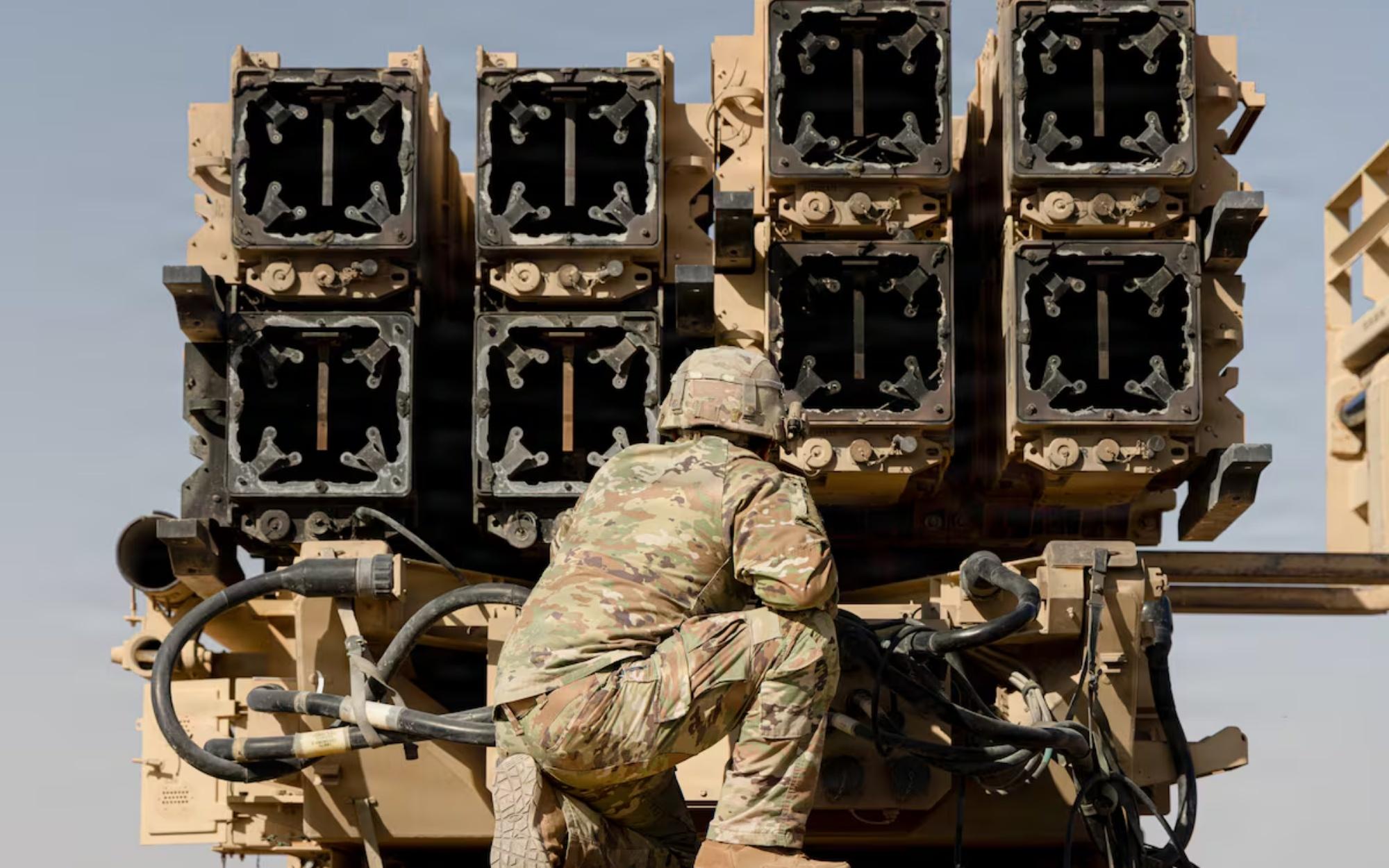
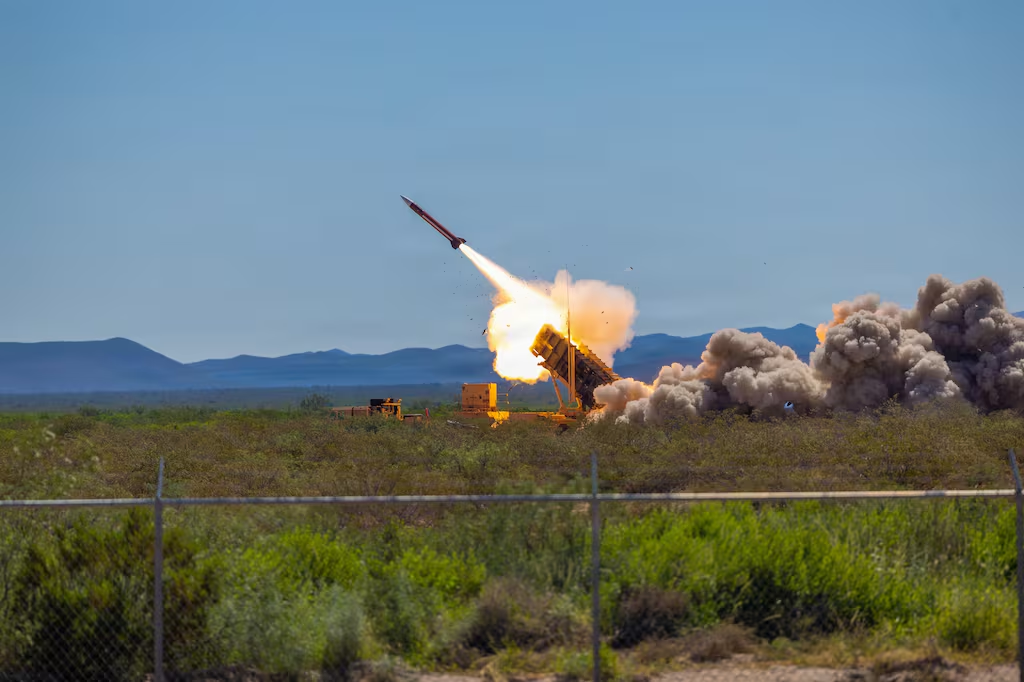
Lockheed Martin said Thursday that it received its first shipment of critical components from General Motors for Patriot interceptors.
The delivery arrived less than a month after the companies signed a manufacturing agreement, as the Pentagon presses for faster weapons production.
GM Defense delivered the initial batch of housing components for the PAC-3 MSE interceptor on Aug. 28.
That shipment came just 22 days after Lockheed and GM signed their contract on Aug. 6.
The rapid delivery stands out because Lockheed said such components traditionally take months or years to produce.
Getting the first batch in 22 days marked a swift opening move under the new manufacturing arrangement.
“This extraordinary 22-day turnaround underscores Lockheed Martin’s relentless focus on execution — delivering for our troops faster, with greater capacity,” said Tim Cahill, president of Lockheed Martin Missiles and Fire Control.
The Patriot missile defense system remains one of the world’s most sought after weapons amid the war involving the United States, Israel and Iran, as well as Russia’s prolonged war with Ukraine. That demand has placed renewed attention on the production of launchers, interceptors and their critical components.
Since Russia invaded Ukraine in 2022, Kyiv has credited Patriot batteries with helping defend Ukrainian cities from Russian ballistic missile attacks.
The system has consequently remained central to Ukraine’s demands for additional air defense equipment.
Ukrainian President Volodymyr Zelenskiy has repeatedly appealed for more Patriot launchers and interceptors.
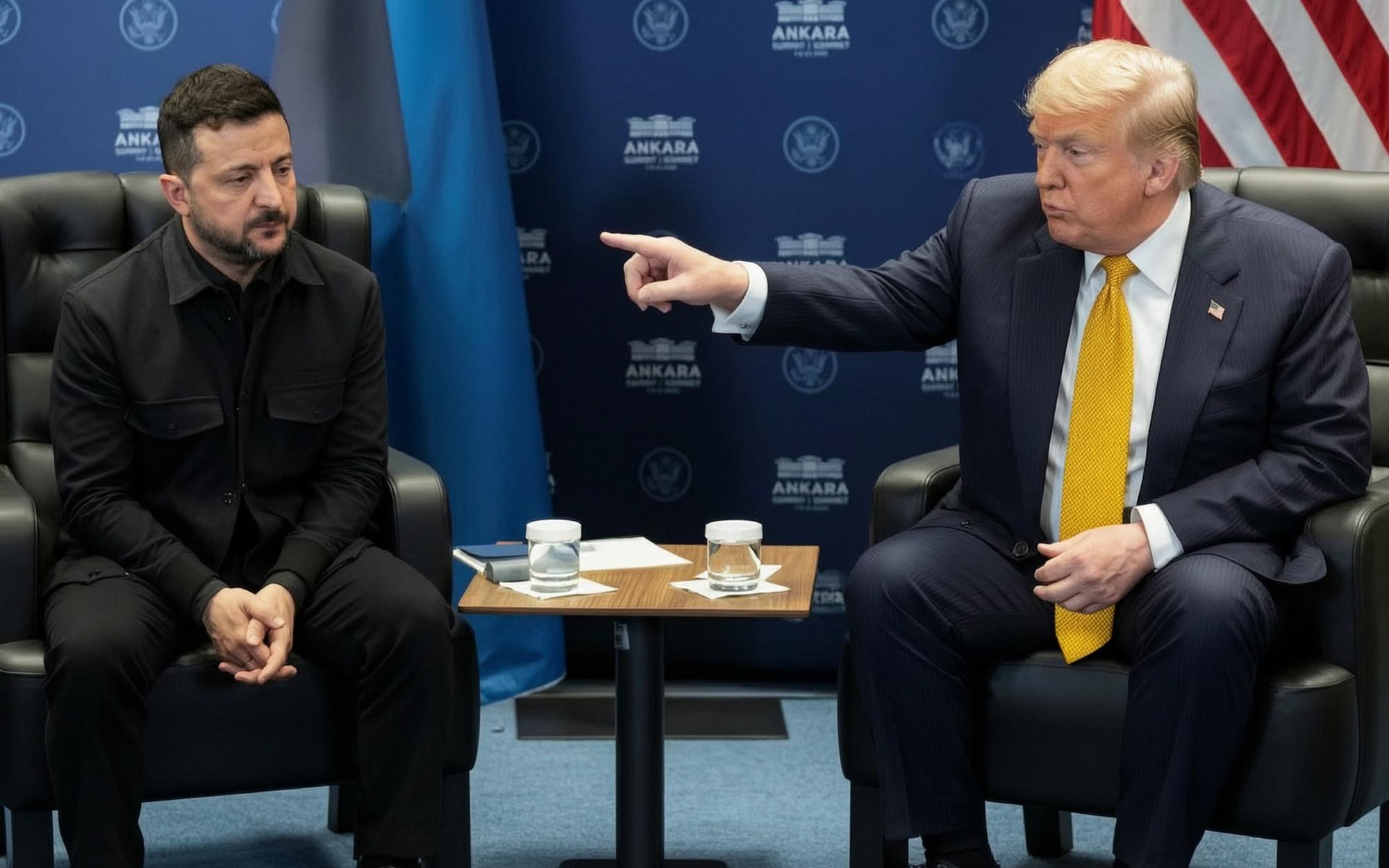
Those appeals have continued as Moscow intensifies air strikes against Ukraine.
The agreement between Lockheed and GM Defense follows a broader collaboration announced by the companies in June.
At that time, they said they would work together to strengthen the U.S. defense industrial base while demand for munitions continues to surge.
Under that collaboration, Lockheed is tapping GM Defense manufacturing plants and laboratories to help increase production capacity.
The companies also said the partnership would support greater resilience across the supply chain.