Posted By
Common Defense
On
In National Security, News |
No Comments
Beginning Oct. 1, Marines deployed to parts of the world designated as “imminent danger areas” will receive a larger monthly stipend intended to compensate for the risk. The policy raises the daily amount by $1.66.
A Marine administrative message published Tuesday announced increases for both hostile fire pay and imminent danger pay.
The two forms of compensation are mutually exclusive and are added to service members’ paychecks based on duty location or deployment conditions.
Under the change, hostile fire pay will double to $450 per month.
The previous monthly ceiling was $225, making that increase the larger of the two adjustments announced in the Marine message.
Imminent danger pay will rise from $225 to $275 per month. Because that compensation is prorated, the daily rate will increase from $7.50 to $9.16, providing eligible Marines with the extra $1.66 each day.
The change follows a move in the Pentagon’s Fiscal Year 2027 budget request to raise the caps on stipends provided to troops serving in harm’s way.
The Army and Air Force also proposed higher caps for hostile fire pay or imminent danger pay.
Eligibility for hostile fire pay depends on whether a service member meets at least one of several criteria identified by the Defense Finance and Accounting Service.
Image Credit: DoW
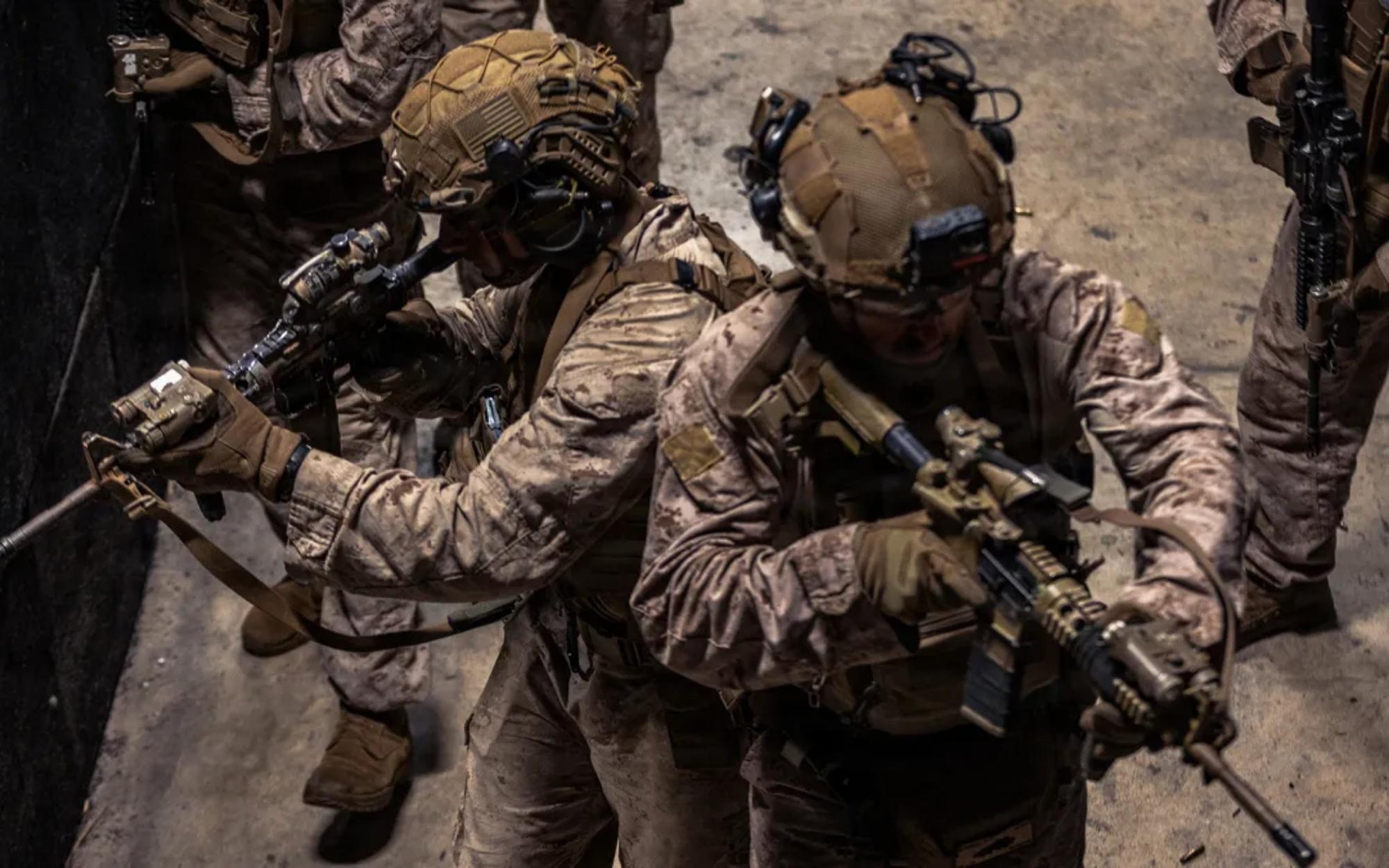
Marines with the 22nd Marine Expeditionary Unit (Special Operations Capable), walk back-to-back down a hallway during a live-fire shoot house at Camp Santiago, Puerto Rico on April 18, 2026. Marine Corps photo by Sgt. Tanner Bernat.
Those standards focus on exposure to hostile fire, hostile mines, or other hostile action.
One qualifying circumstance is being subjected to hostile fire or the explosion of a hostile mine.
Another covers troops serving near a hostile fire incident when they are in danger of facing the same threats experienced by other service members.
Troops may also qualify if they are killed, injured, or wounded by hostile fire, the explosion of a hostile mine, or another hostile action.
Image Credit: DoW
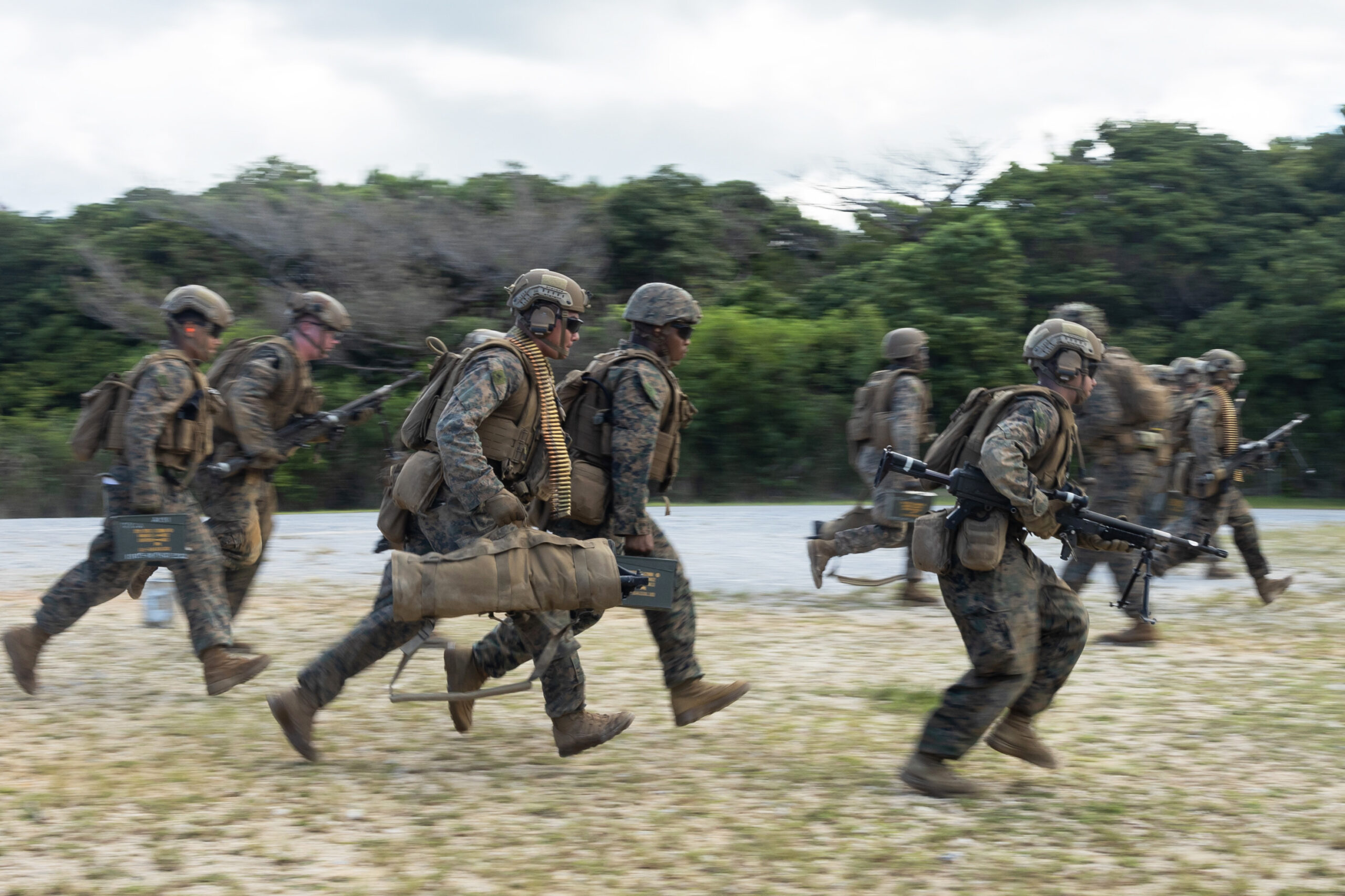
U.S. Marines with 12th Littoral Combat Team, 12th Marine Littoral Regiment, 3rd Marine Division, execute emplacement drills during a machine gun range in preparation for exercise Resolute Dragon 25 at Camp Hansen, Okinawa, Japan, Sept. 9, 2025. Resolute Dragon 25 is an annual bilateral exercise in Japan that strengthens the command, control, and multi-domain maneuver capabilities of U.S. Marines in III Marine Expeditionary Force and Japan Self-Defense Force personnel, with a focus on controlling and defending key maritime terrain. (U.S. Marine Corps photo by Cpl. Lucas Lu)
The criteria therefore address both direct exposure and service in close proximity to a hostile incident.
DFAS currently lists 58 locations around the world as eligible for imminent danger pay. Of those locations, 18 were added in February at the beginning of the conflict with Iran.
Those newer designations are intended to be temporary. According to the accounting agency, they are scheduled to end in the third month after Operation Epic Fury concludes or after “any follow-on operation directed by [the] President of the United States.”
Locations associated with former conflicts remain on the imminent danger list. The source identified Afghanistan, Iraq, Somalia, and Kosovo among the places that continue to carry the designation.
Image Credit: DoW
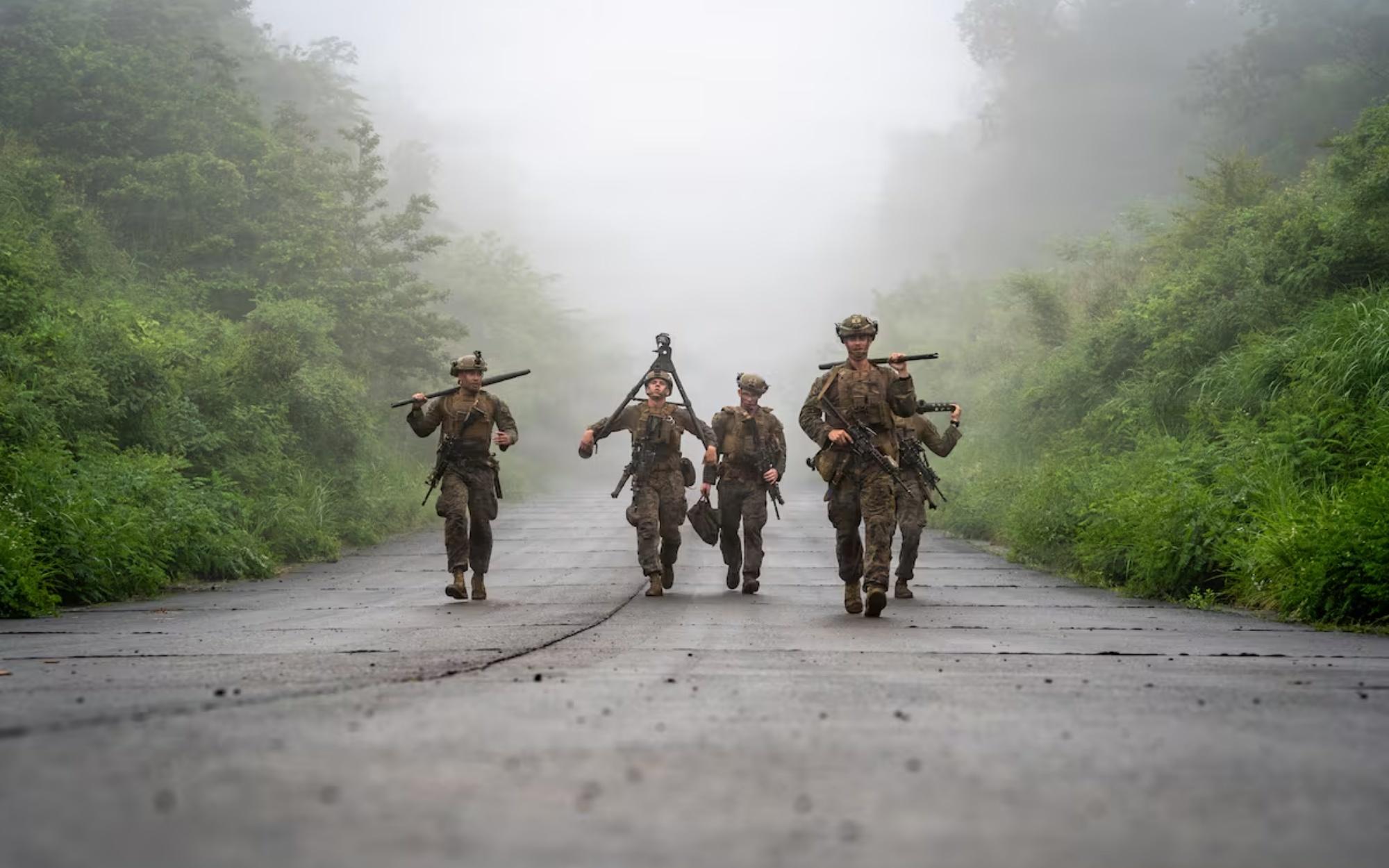
U.S. Marines maneuver downhill with a disassembled M2 .50-caliber machine gun during Fuji Viper 26.3 at Camp Fuji, Japan, on June 29, 2026. (Lance Cpl. Oscar Ocampo/U.S. Marine Corps)
The Fiscal 2026 National Defense Authorization Act, which is now in effect, required a new review of imminent danger locations lasting 60 days. The purpose is to ensure the current list remains accurate.
That law also established a recurring review process beginning in 2031. After that process starts, the list of imminent danger locations will be reviewed every five years.
The Marine Corps is the first military service to move unilaterally to increase danger pay. In May, a Pentagon official said that the Department of War had not committed to increasing the rates for every service member.
“The department continuously evaluates its policies to ensure that they are advancing its mission,” the official said at the time.
Image Credit: DoW
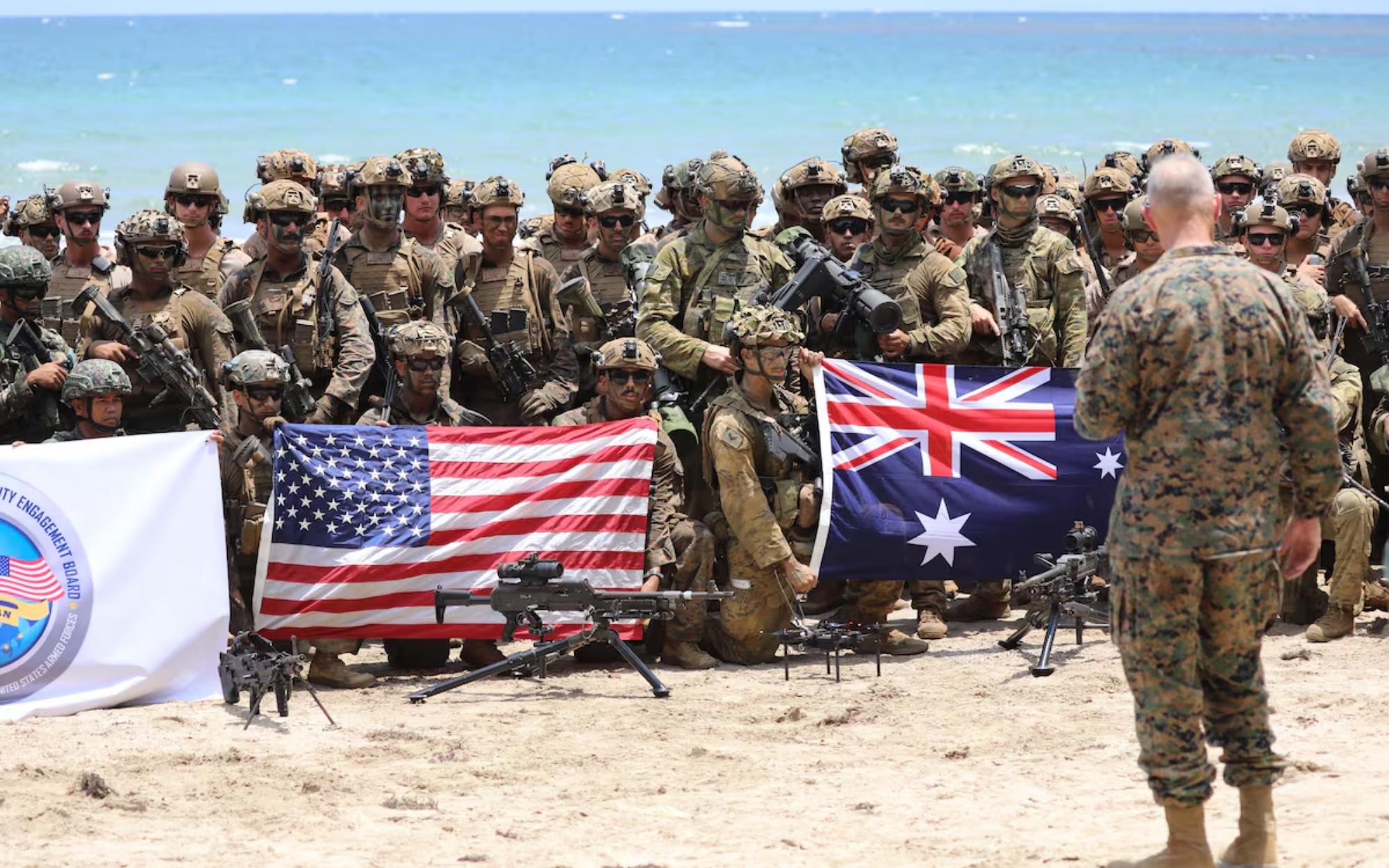
U.S. Marines assemble alongside Australian and Philippine troops after a counter-landing exercise in Palawan during Exercise Balikatan 2026. (Gordon Arthur)
“At this time, no decision has been made to increase the current rates for hostile fire events or imminent danger pay.”
The Marine policy now sets higher compensation for eligible personnel starting Oct. 1, even as no military wide increase has been announced.
According to DFAS, the last update to these allowances across the military occurred in 2011.
For Marines receiving imminent danger pay, the new rate means $275 per month instead of $225.
For those qualifying for hostile fire pay, the monthly ceiling will climb from $225 to $450 under the administrative message.