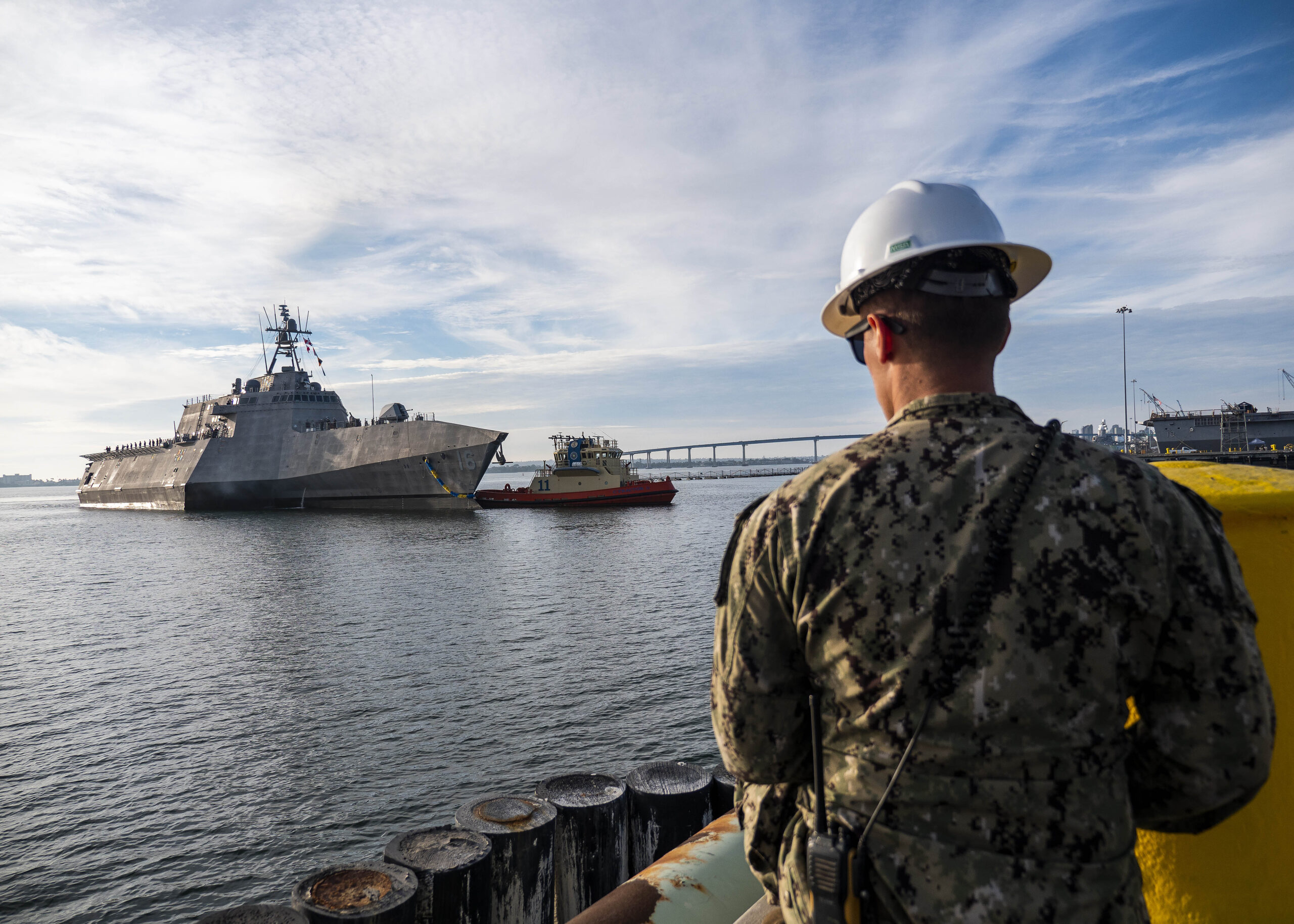
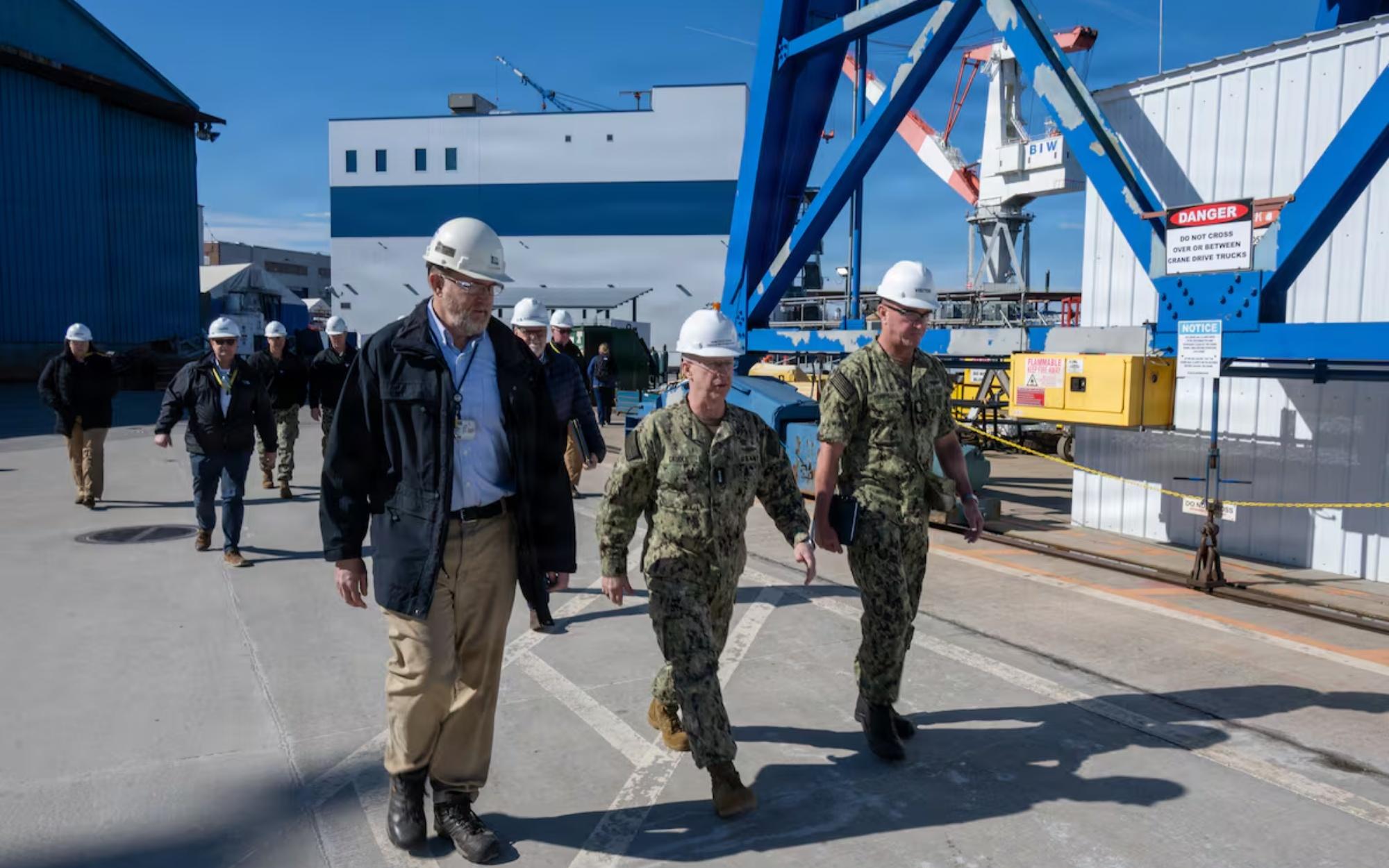
The Navy’s plan to modernize its four shipyards could stretch across half a century and cost more than $200 billion, according to a new Government Accountability Office report.
That is a daunting timeline and a towering bill for facilities the fleet depends on to remain ready.
The GAO released its review of the Navy’s Shipyard Infrastructure Optimization Program, known as SIOP, on Friday.
The watchdog found that the estimated price has grown noticeably since the modernization effort began.
The report also identified a serious oversight problem. The Navy has not established plans for regularly reviewing the program’s progress, even though the work is expected to continue across several decades.
According to the GAO, that lack of oversight and evaluation creates the risk of additional cost increases and new challenges.
The report warned that plans developed today may not remain aligned with the Navy’s future fleet and warfighting requirements.
“However, the Navy has not outlined steps in the framework to reevaluate program objectives and resources as the program progresses over the next several decades,” the report said.

“Without building such reviews into key future decision points, the Navy is limiting its ability to ensure that capabilities in SIOP’s plans today continue to be aligned or adjusted to support future fleet warfighting needs.”
The Navy currently operates four shipyards located at Pearl Harbor in Hawaii, Norfolk in Virginia, Puget Sound in Washington, and Kittery in Maine.
These facilities are responsible for crucial maintenance work involving the fleet.
The GAO described the shipyards as “essential” to maintaining operational readiness for Navy ships, particularly aircraft carriers and submarines. However, the watchdog found that the yards are burdened by outdated infrastructure and poor conditions.

The Shipyard Infrastructure Optimization Program began in 2018 as an effort to overhaul those aging facilities.
Its goals include providing new equipment and constructing new dry docks or upgrading existing ones so the shipyards can better service the fleet.
The program’s scope makes long range planning necessary, but that planning rests on assumptions that could shift over time.
Those assumptions affect what infrastructure, equipment, and dry dock capacity the Navy believes it will need.
Diana Moldafsky, who directed the GAO review, said the program relies on projections about the future fleet.
Those projections cover how many ships and submarines the Navy will operate, their maintenance requirements, and their deployment schedules.