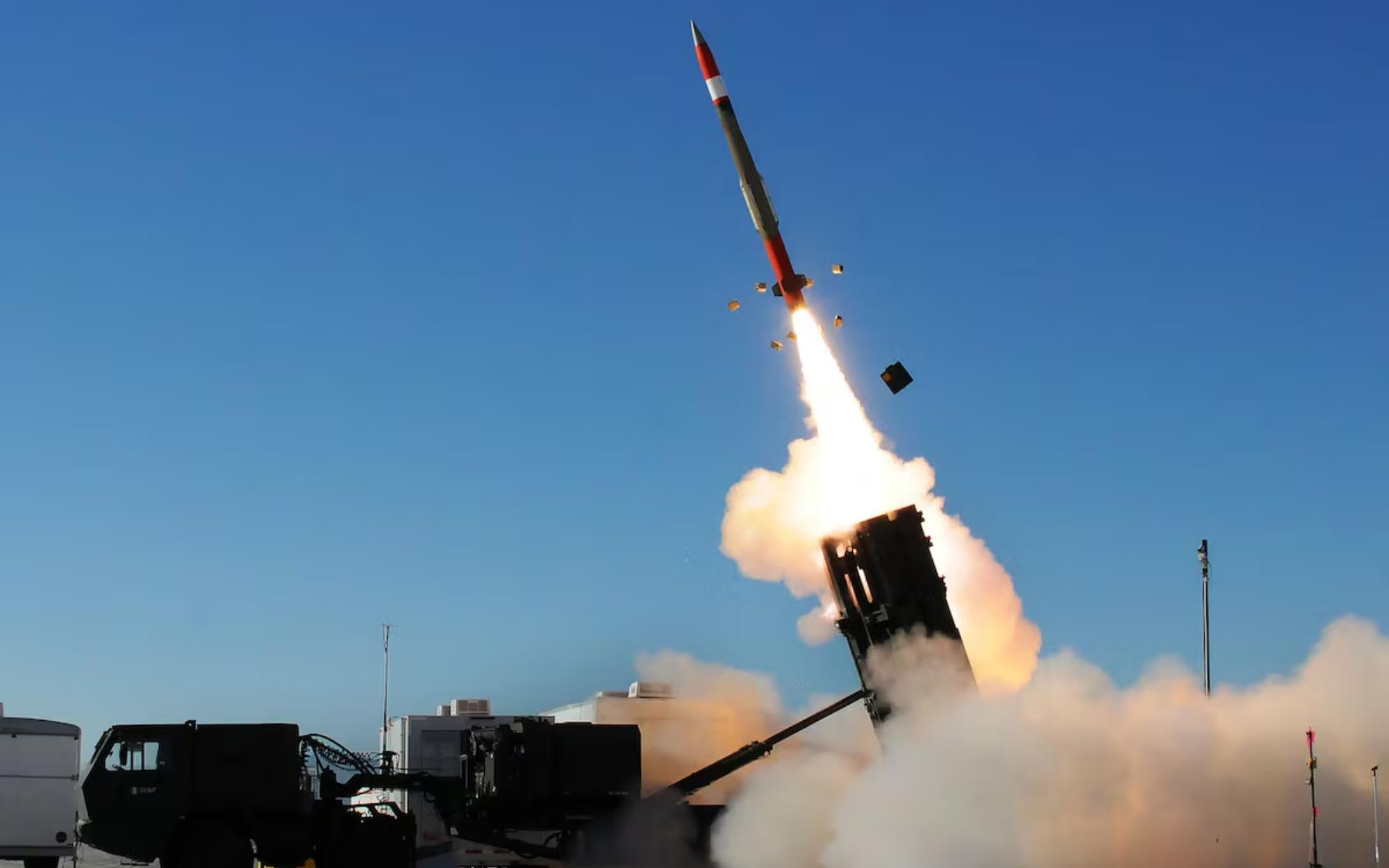
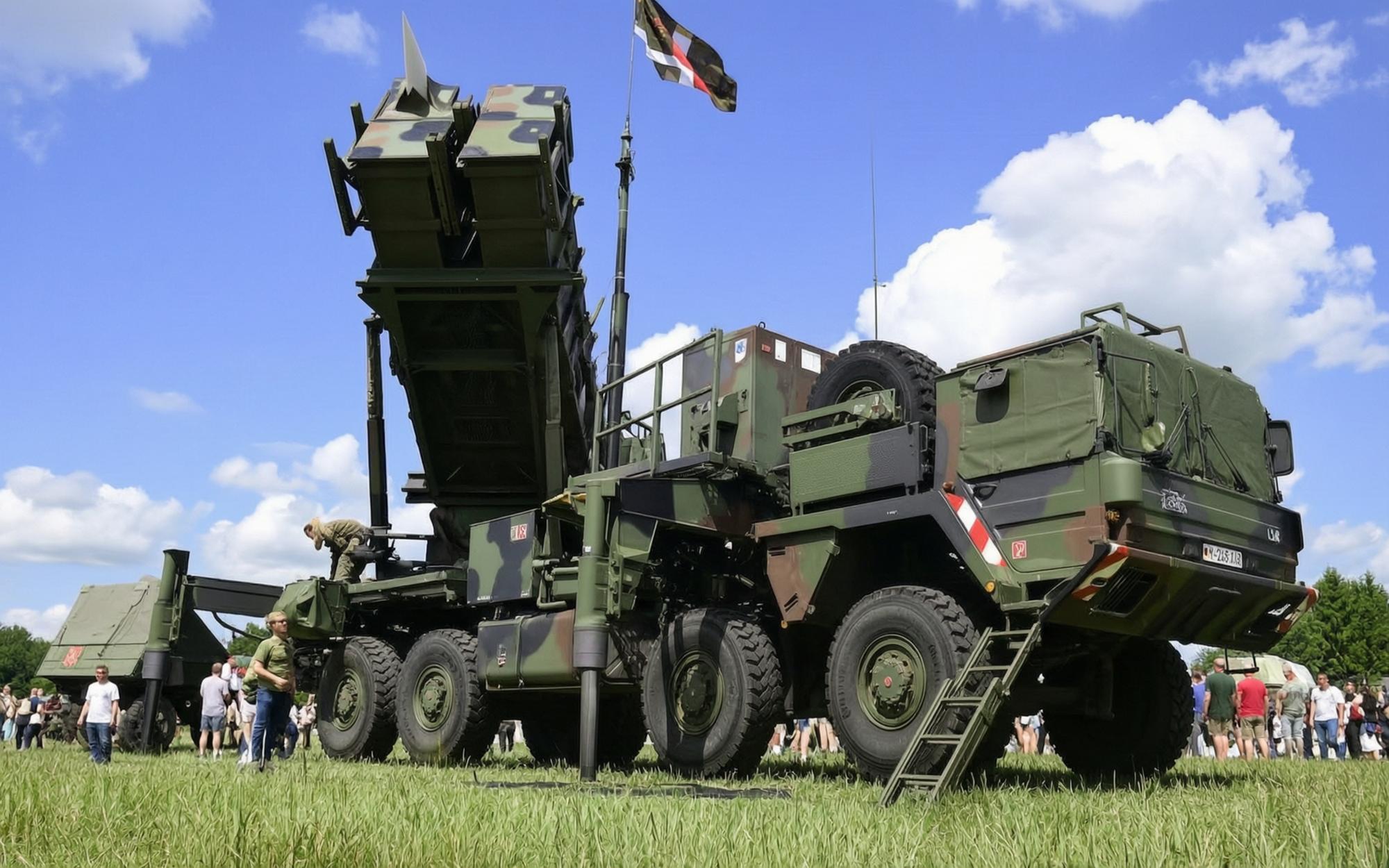
Lockheed Martin unveiled its PAC-3 Edge interceptor Friday, presenting a new weapon designed to defend against hypersonic missiles and other advanced threats. The introduction comes as the U.S. military seeks stronger capabilities against emerging dangers in the air.
PAC-3 Edge is intended to engage advanced missile threats at longer ranges and higher altitudes. Lockheed Martin disclosed several major upgrades aimed at extending the interceptor’s performance beyond the capabilities associated with existing systems.
The interceptor incorporates a new seeker, upgraded flight controls and a rocket motor supplied by Northrop Grumman that can operate with multiple pulses. Lockheed Martin said those changes improve the weapon’s ability to counter sophisticated threats, including hypersonic missiles.
The new seeker is one of the central elements disclosed by the company. Alongside the upgraded flight controls, it is meant to help the interceptor address the demanding flight profiles presented by advanced aerial threats.
Northrop Grumman’s contribution comes through the interceptor’s rocket motor. The motor, seeker and flight control upgrades together are designed to support engagements over greater distances and at higher altitudes.
Lockheed Martin also offered a direct comparison between the expected cost of PAC-3 Edge and the company’s existing interceptor. “The cost of this would be about that of the existing PAC-3 MSE,” Tim Cahill, president of missiles and fire control at Lockheed Martin, told Reuters.
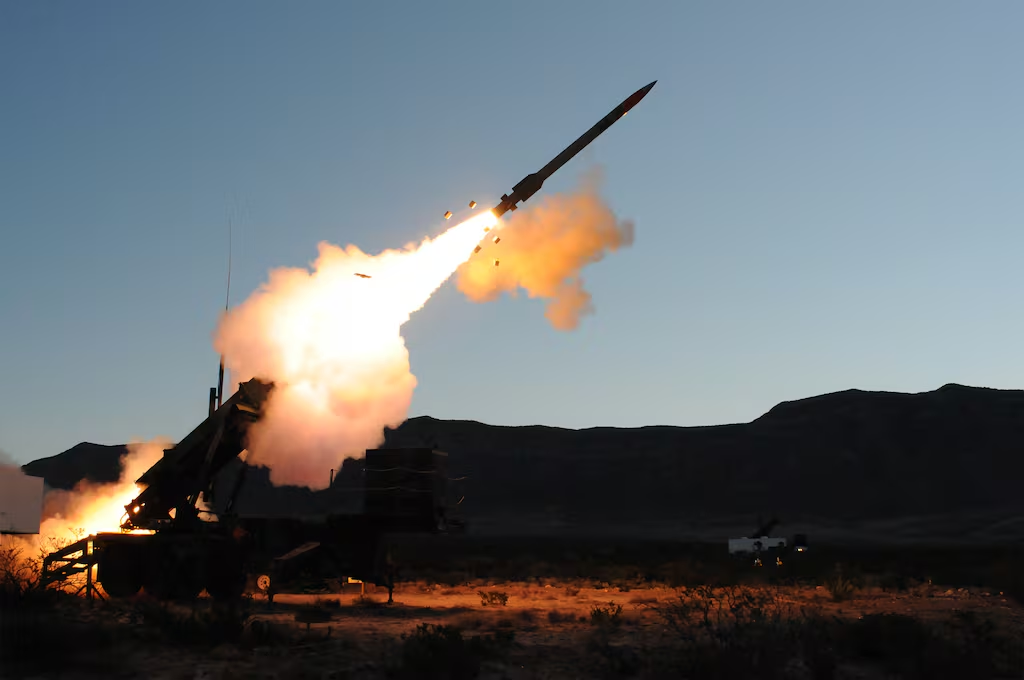
That comparison places the new interceptor near the cost of a system already being produced. Lockheed Martin did not provide a separate price figure for PAC-3 Edge in the disclosed announcement.
Cahill also described the production level Lockheed Martin expects when manufacturing reaches full capacity. “At full production, the annual rate would be about 2,000 units a year, comparable with PAC-3 MSE.”
The planned rate reflects a substantial production objective for a weapon intended to confront increasingly advanced threats. It also matches the annual capacity target Lockheed Martin established for its PAC-3 missile interceptor manufacturing effort.
Demand for air and missile defense systems has grown amid the conflicts in Ukraine and the Middle East. That demand has strained U.S. weapons stockpiles, increasing pressure to produce interceptors in far greater numbers.