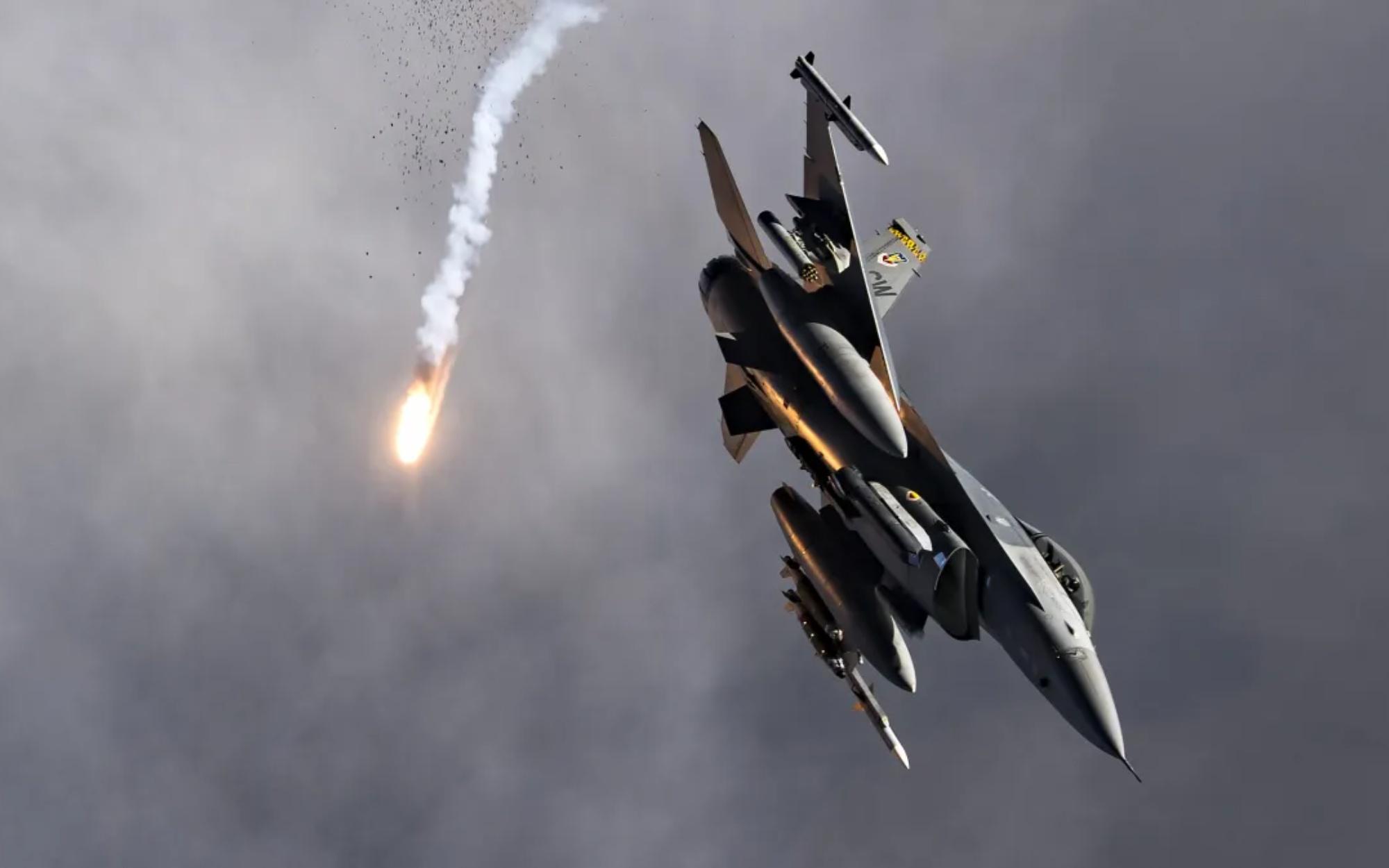
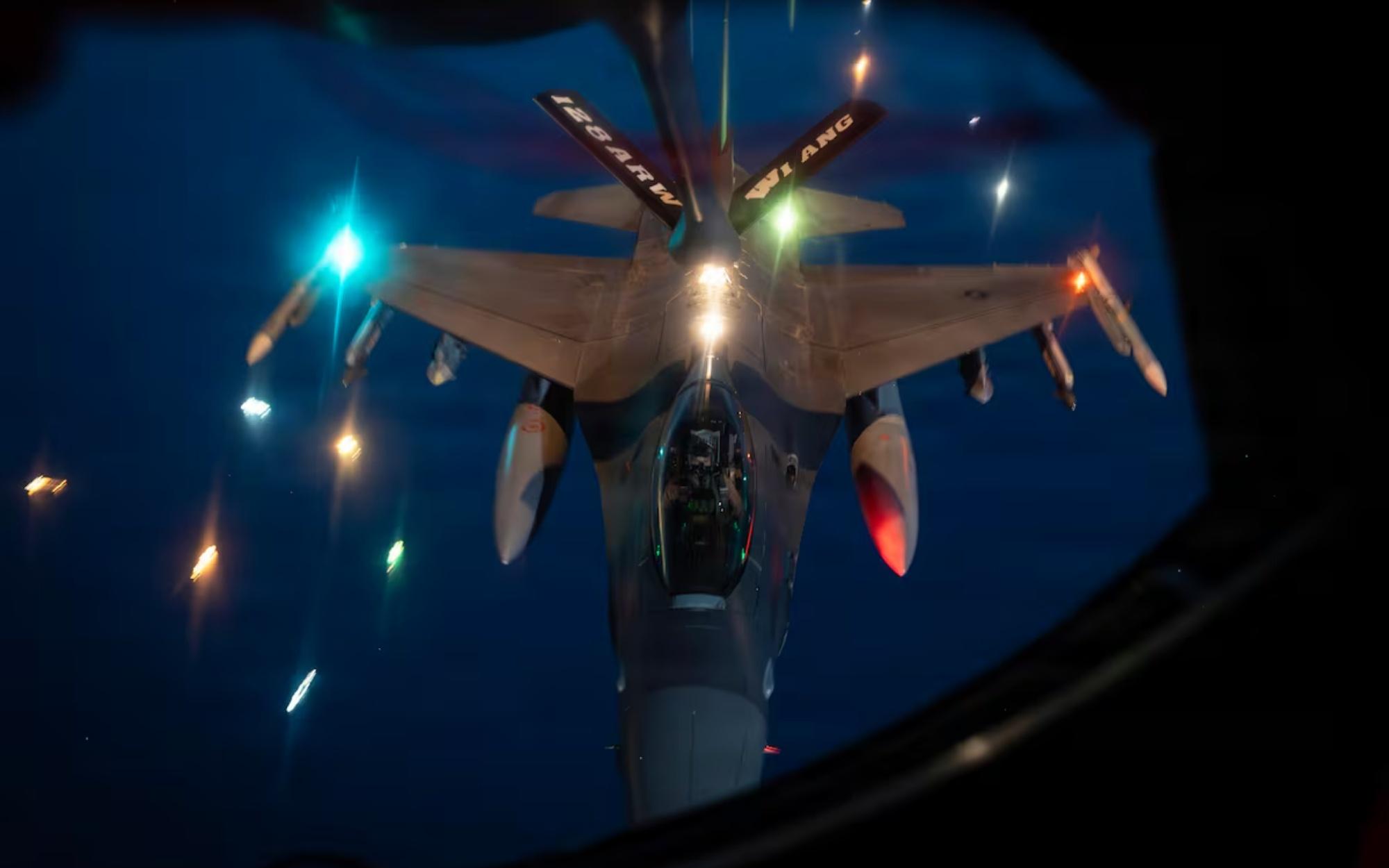
The first two F-16V Block 70 fighter jets from Taiwan’s 66 aircraft order arrived Friday, giving the island’s air force new equipment as it contends with persistent Chinese military activity. The delivery followed months of delays.
The aircraft landed at noon, or 0400 GMT, at Chihhang Air Base in Taitung on Taiwan’s mountainous east coast. They reached the island after flying through Hawaii and Guam.
Taiwan ordered the 66 new fighters in 2019 as part of its effort to strengthen an air force that scrambles almost daily to monitor China’s military. Beijing claims the democratically governed island as its own territory, while Taiwan faces what the article describes as a rising military threat.
“This is an important development in strengthening Taiwan’s air defense capabilities,” President Lai Ching-te wrote on Facebook, while thanking the United States for its support.
Defence Minister Wellington Koo told reporters at parliament in Taipei that additional F-16Vs would arrive soon. He did not provide details about the number of aircraft or their expected arrival dates.
The United States approved an $8 billion sale of Lockheed Martin F-16V fighter jets to Taiwan in 2019. Completion of the order would bring Taiwan’s overall F-16 fleet to more than 200 aircraft.
Delivery of the planes had been delayed by issues that included software problems. Taipei has repeatedly complained about delays involving weapons ordered from the United States, its most important international supporter and arms supplier.
The arrival also came amid concern in Taiwan about the Trump administration’s commitment to arming Taipei. Washington, however, has said there has been no change in its policy.
The two fighters touched down almost exactly one week after President Donald Trump met Chinese President Xi Jinping in Washington. Trump had also met Xi in Beijing in May.
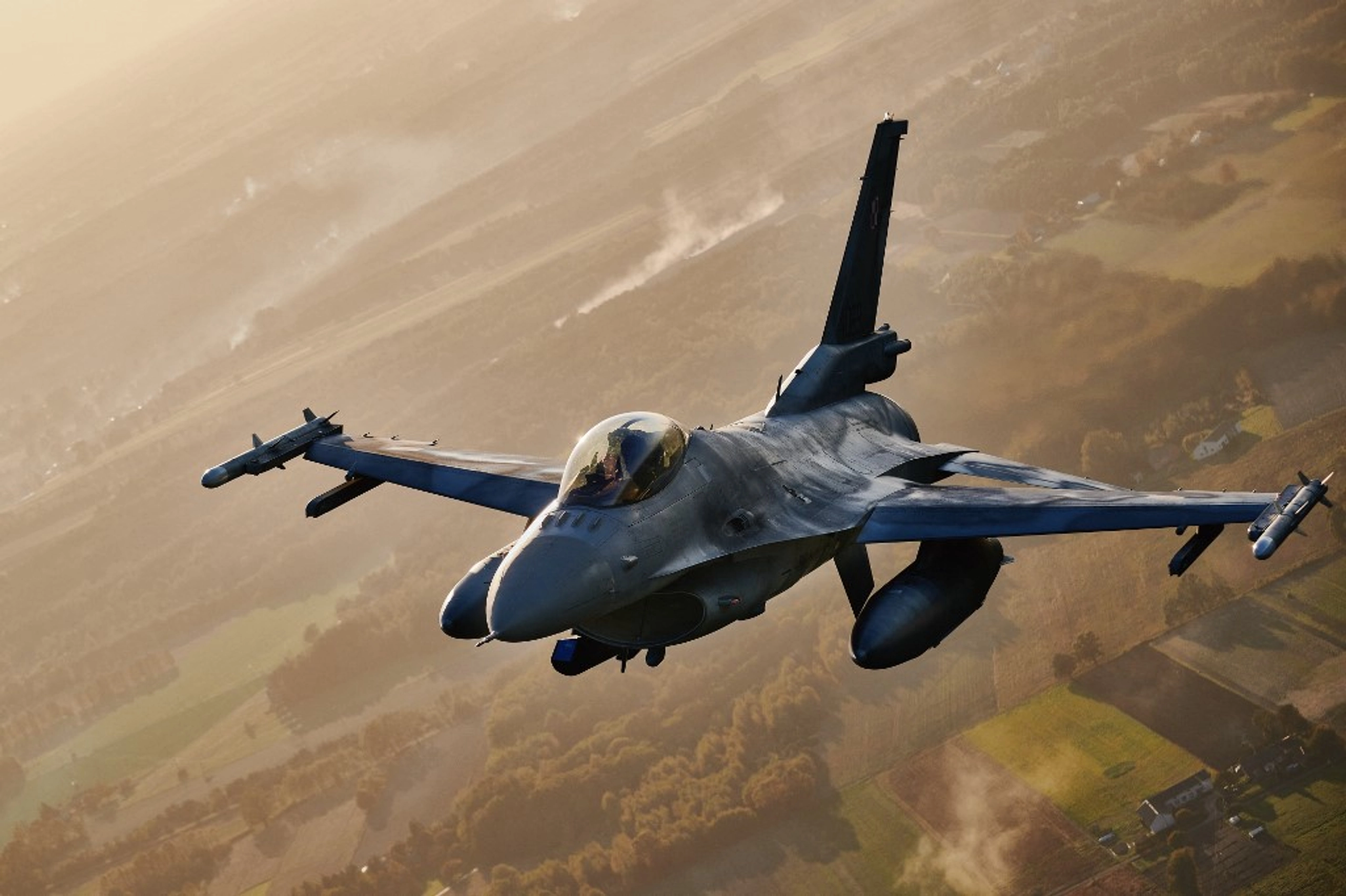
Following that May meeting, Trump said he was holding a new $14 billion package for Taiwan in abeyance. He approved a separate package worth $11 billion in December 2025.
U.S. officials believe a Chinese invasion of Taiwan before 2028 is becoming increasingly unlikely, according to people familiar with U.S. thinking who spoke to Reuters. Taiwan is scheduled to hold its next presidential election in early 2028.
Koo nevertheless warned that Beijing’s fundamental objective remained intact. “China’s intention to annex Taiwan by force has never changed,” he said.