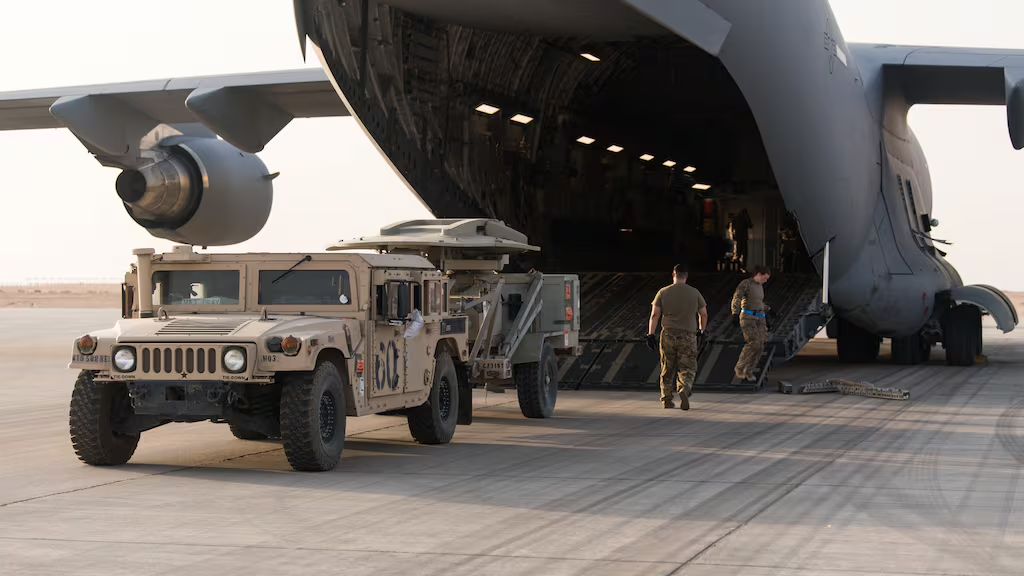
U.S. forces are set to depart from their last bases in Iraq by Wednesday, closing a military chapter that stretched across more than two decades. The move is being celebrated by Iran and its allies in a country where 4,500 Americans died during the war.
The withdrawal was agreed to in 2024 under U.S. President Joe Biden and is being carried out by President Donald Trump’s administration even as it wages war against Iran. Iraqi security experts warn the exit could give Tehran and its allies greater freedom while allowing other U.S. enemies, including the Islamic State, to attempt a comeback.
Jasim al-Bahadli, an Iraqi security analyst specializing in armed Shi’ite groups aligned with Iran, said Tehran stands to gain from the coalition’s departure. “Iran stands to benefit strategically from the coalition’s departure because it removes a military presence that for years acted as a counterweight to Tehran’s influence in Iraq,” he said.
Al-Bahadli predicted that pro Iranian militia groups would present the departure as a triumph for their movement. He said they would also “seek to translate that momentum into greater influence over security and political decision making.”
Abu Mojtaba al-Yasiri, a commander in the Islamic Resistance in Iraq, called the withdrawal “a historic victory for the Iraqi Islamic resistance groups and honorable Iraqis, and a crushing defeat for the American project.” The Islamic Resistance in Iraq is an umbrella organization of armed factions backed by Iran.
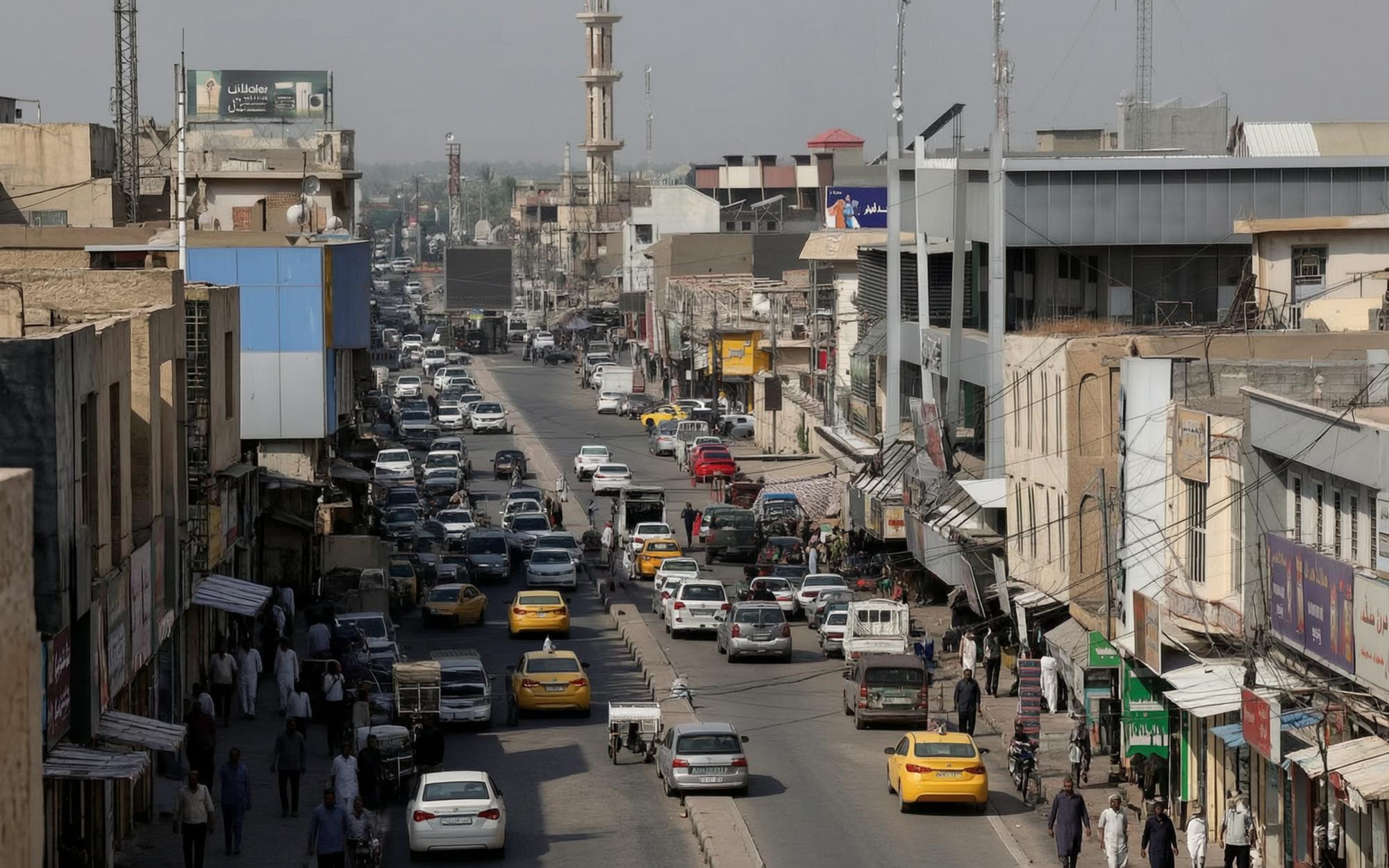
“On Sept. 30, we will celebrate the turning of a black page in Iraq’s history and the failure of the occupation to impose its will on our country,” al-Yasiri told Reuters. “Iraq has proven that its sovereignty cannot be secured by foreign forces, but by the resistance and the will of its people.”
The eventual departure of American forces is broadly popular among Iraqis, but critics of the powerful groups backed by Iran fear it is premature. Abdulrahman al-Zobaie, a Sunni tribal leader in Fallujah, said, “We believe Iraq is still not fully ready to take over the security file at this time.”
“All Iraqis aspire to full sovereignty, and no Iraqi would dispute that,” al-Zobaie said. “But I believe that the [U.S.-led coalition] leaving in this way and creating a vacuum is what all Iraqis fear.”
American forces invaded Iraq in 2003 to topple Sunni Muslim dictator Saddam Hussein, then occupied the country, installed a Shi’ite led government and fought a lengthy counterinsurgency. U.S. forces withdrew at the end of 2011 but returned less than three years later to help Iraqi forces defeat the Islamic State during a major war from 2014 to 2017.
Around twice as many Americans died in Operation Iraqi Freedom as in the parallel war in Afghanistan, which ended with an abrupt U.S. withdrawal in 2021. In recent years, Iraq has maintained close political and military alliances with both Washington and Tehran, while Iraqi territory was sometimes used as a proxy battlefield.