President Donald Trump is weighing a consequential shift in federal protections for gray wolves as farmers across the Great Lakes region report devastating livestock losses. The dispute pits producers demanding greater control against environmental groups warning that delisting could reverse years of recovery.
Minnesota farmer Shayne Isane has spent years dealing with wolves killing calves on his property. Isane, who has farmed for nearly four decades, said he can hear timber wolves howling outside his door at night.
“We can walk right outside of our door and hear the howling of these timber wolves, and it’ll send shivers down your spine because you have seen what they can do, and they’re the top-of-the-line predator,” Isane told Fox News Digital.
Isane has nearly 300 cattle and said farmers are largely powerless even when wolves attack their livestock. He said wolves may be confronted only when human life is threatened, leaving producers watching as predators close in on their livelihood.
The Interior Department has until Dec. 3 to decide whether gray wolves and Mexican wolves have met recovery criteria under the Endangered Species Act. If those criteria have been satisfied, the department must begin removing or reducing federal protections.
The decision could affect Minnesota, Wisconsin, Michigan, California and Colorado. An Interior Department spokesperson said there were no updates but said the department “recognizes the importance of effective wildlife management and the challenges wolf depredation can pose for livestock producers.”
Isane said three young calves were killed in one night during one of his largest losses. Wolves can drag away or dispose of carcasses, he said, making it harder for farmers to document attacks for investigators.
Minnesota requires farmers to possess the livestock carcass and report a suspected wolf attack within 48 hours to qualify for reimbursement. Isane said losing one or two animals can cost $3,000 each and damage his farm’s bottom line.
The Minnesota Department of Agriculture said its program “provides 100% reimbursement of verified losses at full market value” and cited its Wolf Livestock Depredation Grant. The department also said wolf management does not fall within its responsibilities.
Isane said the financial damage extends beyond dead livestock because wolves repeatedly harass cattle. He said the resulting stress causes animals to remain on edge, lose weight and suffer broader health effects.
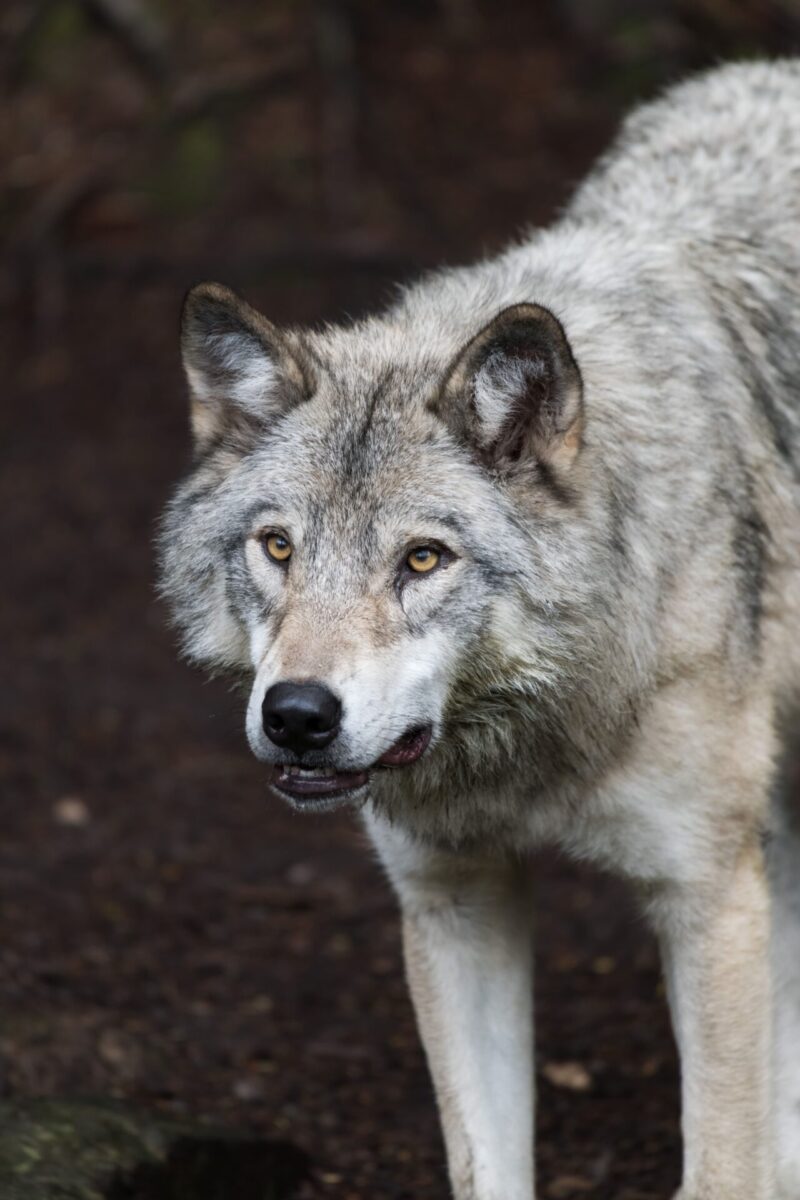
State recommended deterrent methods have not solved the problem, according to Isane, who said wolves can outsmart those measures. He described the population as “out of control” and said sightings have become increasingly common during the past 25 years.
The Minnesota Department of Natural Resources estimated that roughly 2,400 gray wolves lived in Minnesota in 2026, with no statistically significant change from the previous year. A spokesperson said the agency’s research indicates a stable population rather than rapid or unconstrained growth.
White House deputy press secretary Taylor Rogers blamed the Biden administration’s “radical environmental policies” for leaving ranchers defenseless as predators destroyed livestock. Rogers said the national cattle herd reached a 75 year low and that Trump was reversing those policies while fighting for ranchers.
Shawn Regan, C3 Journal editor and Manhattan Institute senior fellow, said states can manage recovered wolf populations without Endangered Species Act protections. He noted that the law includes a delisting process allowing recovered species to transition to state management.
Trump removed protections for gray wolves across most states during his first term. Six environmental groups represented by Earthjustice sued in 2021, and a federal judge overturned the decision in 2022, restoring protections across most states outside the Northern Rockies.
The 9th U.S. Circuit Court of Appeals is considering whether that ruling should stand. Environmental organizations involved in the legal fight argue that delisting could permit trapping, culling and trophy hunting while threatening wolf recovery.

Eric Clewis of Defenders of Wildlife said wolves account for less than 1% of total livestock loss. Collette Adkins of the Center for Biological Diversity warned that removing protections could “erase decades of recovery work.”
Gabriella Hoffman of the Independent Women’s Forum said lawsuits could block delisting and questioned whether Congress would permanently codify the change. She also argued that excessive reliance on emotion could undermine science and leave wolves more vulnerable without an effective management system.
Michigan farmer Jonathan Miller offered a different example of wolf management. Miller, who raises roughly 100 cattle, said protective fencing has created a workable balance, although maintaining and moving electrified barriers requires additional labor.
Miller recently found two dead sheep after failing to install the barrier properly. He supports Trump’s push for state management rather than having local residents illegally control wolf numbers.
“I don’t want to eliminate the wolves,” Miller said. “I love to see wolves. I try to get pictures, but there has to be control.”