New York Gov. Kathy Hochul is facing criticism after backing a new tax proposal targeting wealthy property owners in New York City, a move that critics say contradicts her earlier pledge not to raise taxes, as reported by The New York Post.
The controversy centers on a proposed pied-à-terre tax that would apply to certain high-value secondary residences in the city.
The plan, which has been discussed in Albany for years, gained renewed attention after Hochul signaled support for it in recent days.
The proposal would target roughly 13,000 second homes in New York City valued at $5 million or more.
Trump's Sovereign Wealth Fund: What Could It Mean For Your Money?
According to the governor’s office, the surcharge is expected to generate at least $500 million annually, with the revenue intended to help address the city’s estimated $5.4 billion budget deficit.
Hochul’s shift comes after months of pressure from Mayor Zohran Mamdani and members of the Democratic Socialists of America, who have pushed for higher taxes on wealthy residents and corporations.
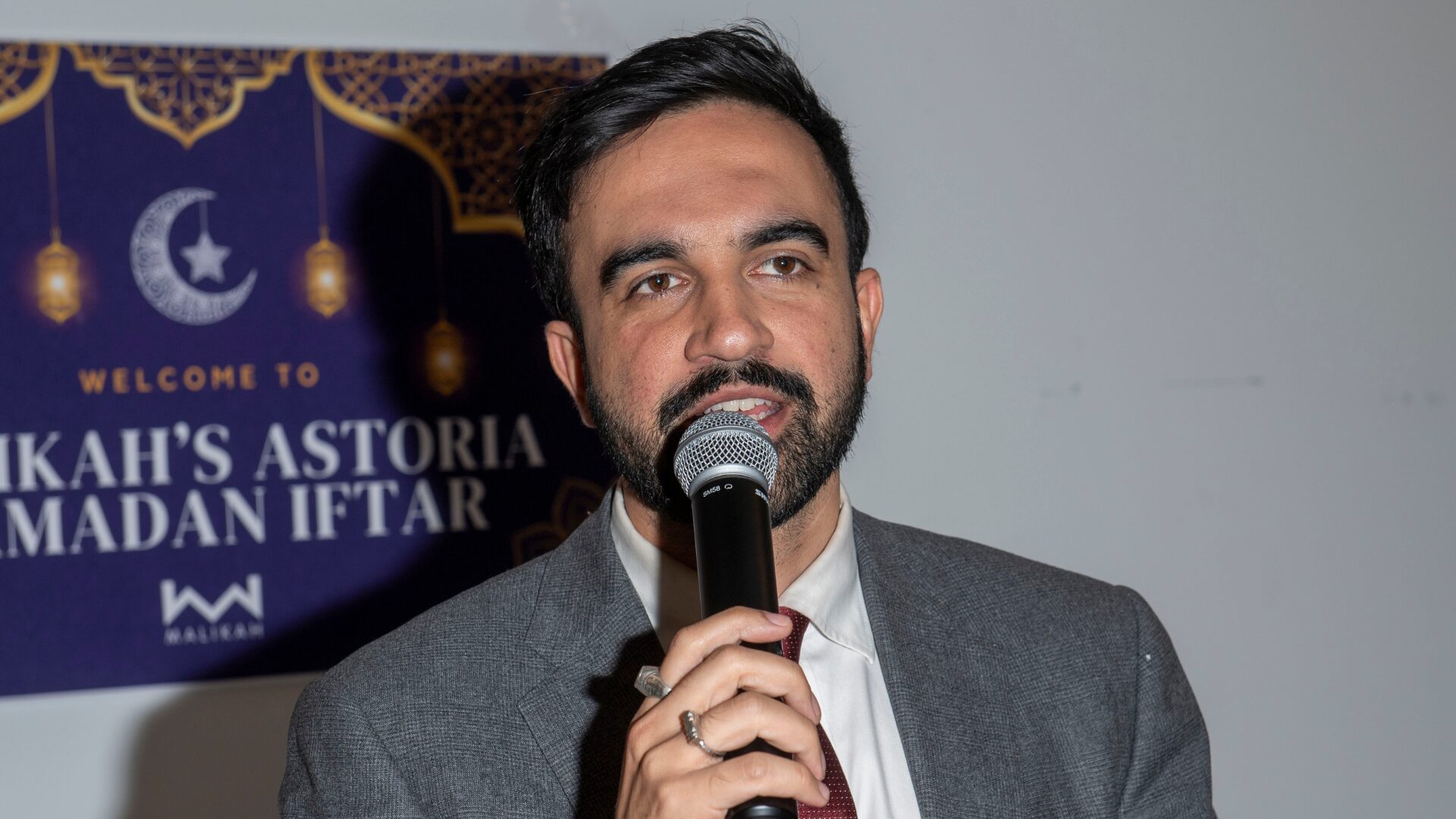
“When I ran for mayor, I said I was gonna tax the rich. Well, today, we’re taxing it,” Mamdani said in a video released hours after Hochul’s announcement.
FREE Gun Law Map: Laws Don't Pause During Social Unrest
“I’m thrilled to announce we’ve secured a pied-à-terre tax,” he added in the clip.
RNCResearch: New York Governor Kathy Hochul caves to communist Zohran Mamdani who will be raising taxes on hardworking New Yorkers:
"Just a few days ago, the Governor announced that we are going to be pursuing the city’s first ever pied-à-terre tax.” pic.twitter.com/NU2qfZqzxG — Republican Women of Mercer County (@RWOMC) April 17, 2026
In a separate statement, Mamdani said, “Thanks to the support of Governor Hochul, we are one step closer to balancing our budget by taxing the ultra-wealthy and global elites with a pied-à-terre tax — the first of its kind in our state.”
Hochul, however, had previously taken a different position on tax increases. In a Jan. 16 interview with Fox 5, she said, “I don’t believe in raising taxes for the sake of raising taxes.”
“And what is served by that? We have high taxes already predating my time. We have enough revenues to do what we want to do and what we need to do to support our state. So beyond that, I don’t see a justification,” she said at the time.
MORE NEWS: Guilty Until Proven Human
She reiterated a similar position during a March 11 Politico forum, stating she wanted to “make sure we are smart about having a system in place where it’s not just taxing for the sake of taxing.”
.@morganfmckay asked @GovKathyHochul in January about a bunch of tax proposals.
Hochul: “I don’t believe in raising taxes for the sake of raising taxes.” Then, she all said the “caveat” would be “what Donald Trump does to New York.” pic.twitter.com/6jvWowoLsc — Bernadette Hogan (@bern_hogan) April 16, 2026
Republican officials responded sharply to the change in position. Nassau County Executive Bruce Blakeman said, “Kathy Hochul’s ‘No Tax Hike’ promise has expired faster than the families fleeing New York’s affordability crisis.”
Rep. Nicole Malliotakis (R-NY) also criticized the proposal, saying, “Speaking out of one side of her mouth, Hochul tells those who fled New York to come back, but out of the other side, she’s plotting ways to tax New Yorkers even more.”
State Assemblyman Michael Tannousis added, “She promises one thing and does another.”
“This is a glimpse of what New York residents face if Hochul is re-elected. Don’t be fooled.”
Staten Island Borough President Vito Fossella also weighed in, saying, “This latest money grab will repeat the same pattern that has driven residents, businesses, and investment out of New York for years. Targeting and punishing wealth does not fix the problem. However, reducing runaway spending, and providing incentives that expand the tax base, do.”
Real estate leaders also raised concerns about the potential impact of the tax. James Whelan, president of the Real Estate Board of New York, said, “This proposal overpromises revenue while ignoring the real economic damage it would cause.”
“A tax like this cannot be adopted without causing significant economic harm to everyday New York City residents,” he added.
Details of the proposal remain under discussion as part of ongoing state budget negotiations.
Sources indicated the tax would likely be structured on a sliding scale based on property values, with higher rates for homes worth $15 million and additional increases for those valued at $25 million or more.
Properties classified as vacant or used as vacation homes would be subject to the tax, while rental units and owner-occupied properties would not be affected, according to the governor’s office.
Hochul defended the proposal, stating, “As Governor, I understand the importance of stabilizing the city’s finances without compromising on essential services New Yorkers count on.”
“If you can afford a $5 million second home that sits empty most of the year, you can afford to contribute like every other New Yorker,” she said.
The opinions expressed by contributors and/or content partners are their own and do not necessarily reflect the views of Objectivist. Contact us for guidelines on submitting your own commentary.
Share your opinion
COMMENT POLICY: We have no tolerance for comments containing violence, racism, vulgarity, hard-core profanity, all caps, or discourteous behavior. Thank you for partnering with us to maintain a courteous and useful public environment!