A federal judge has temporarily stopped the multibillion-dollar merger between Paramount and Warner Bros. Discovery after a coalition of twelve Democratic state attorneys general filed a lawsuit to block the deal, as reported by Breitbart.
The order, issued Monday by District Judge Araceli Martínez-Olguín, pauses the transaction for at least two weeks while the states pursue their legal challenge.
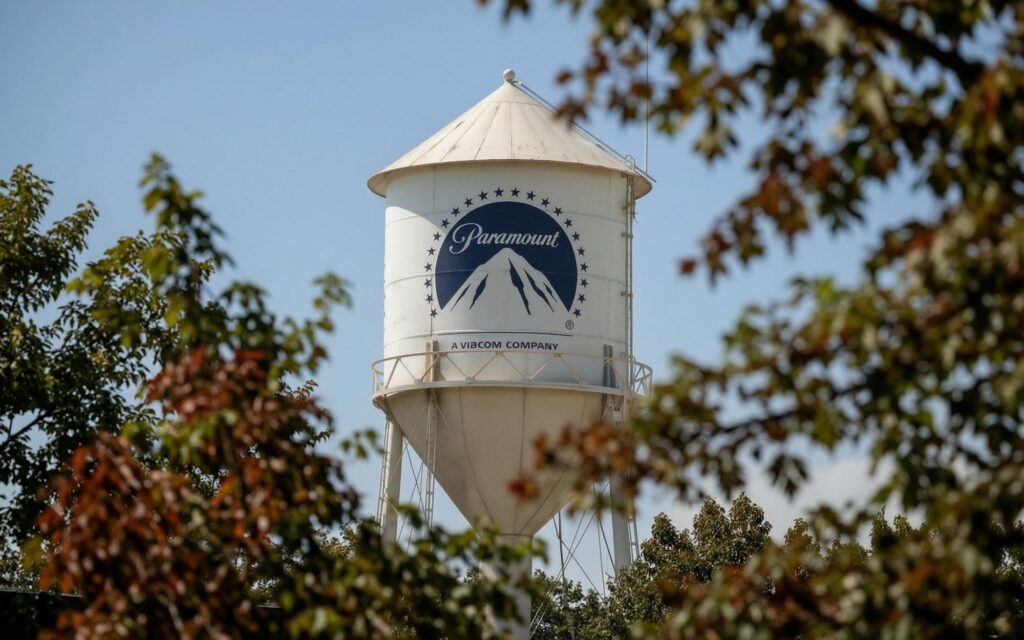
The states, led by California, are suing to halt Paramount’s proposed $81 billion acquisition of Warner.
Trump's Sovereign Wealth Fund: What Could It Mean For Your Money?
They argue that the merger would “extinguish competition” in Hollywood and reduce options for movie and television consumers across the country.
The coalition asked both companies to delay the merger until the court could fully review their case. When the companies declined, the attorneys general filed for a temporary restraining order, which the judge granted.
This preliminary action could lead to a longer injunction if the states succeed in convincing the court that the deal is anticompetitive.
California Attorney General Rob Bonta celebrated the ruling, calling it “a critical first win in our case to ensure this megamerger never sees the light of day.”
FREE Gun Law Map: Laws Don't Pause During Social Unrest
He warned that allowing a small number of corporations to dominate major industries historically leads to reduced opportunities and diminished product quality for the public.
The merger would unite two of Hollywood’s last five legacy studios and combine their vast entertainment holdings under a single corporate umbrella.
Warner’s HBO Max service, franchises including “Harry Potter,” and CNN would be paired with Paramount’s CBS, “Top Gun,” and its Paramount+ streaming platform.
Paramount has not yet commented on the judge’s ruling. However, the company previously said it would “vigorously defend” its acquisition of Warner, calling the states’ claims “wrong on both the facts and the law.”
Paramount contends the merger would enhance rather than hinder competition and highlighted the regulatory approvals it has already obtained, including one from the administration of President Donald Trump last month.
The restraining order halts any progress on the merger for at least 14 days. That pause could be extended for up to 28 days, depending on further court proceedings.
A hearing on the states’ motion for a preliminary injunction is currently scheduled for August 3, though that date might be delayed.
The timing is critical. Industry observers expected Paramount and Warner to attempt to finalize the deal later this week. Before Monday’s decision, the companies proposed completing an injunction hearing by late August to allow time for an appeal before September 30.
That deadline matters because Paramount has agreed to pay shareholders a “ticking fee” of about $7 million per day if the merger is not finalized by then.
State officials argue that such pressure reflects Paramount’s business risk, not a valid reason to rush the court’s process.
They maintain that an extended discovery period would be necessary to fully examine the merger’s impact. In Friday’s hearing, they proposed starting a full trial in April 2027 to accommodate proper evidence gathering.
Factoring in debt, Paramount’s planned purchase of Warner carries an estimated total value of close to $111 billion based on existing shares.
Beyond California, the states participating in the lawsuit include Arizona, Colorado, Connecticut, Massachusetts, Minnesota, Nevada, New Jersey, New Mexico, New York, Oregon, and Washington.
Additional opposition has emerged from industry groups such as the Writers Guild of America, which is also suing to block the merger.
The guild and the state attorneys general share concerns that the consolidation could give one company excessive control over creative and distribution markets.
For now, the deal remains in limbo as both companies await the next hearing. The outcome will likely shape the future of competition across the entertainment industry, which is already under scrutiny for its concentration of ownership.
The opinions expressed by contributors and/or content partners are their own and do not necessarily reflect the views of Objectivist. Contact us for guidelines on submitting your own commentary.
Share your opinion
COMMENT POLICY: We have no tolerance for comments containing violence, racism, vulgarity, hard-core profanity, all caps, or discourteous behavior. Thank you for partnering with us to maintain a courteous and useful public environment!