WHAT YOU NEED TO KNOW
- Nellis Air Force Base sent off its final active duty operational A-10 Thunderbolt II after nearly 50 years of Warthog operations.
- Around 70 airmen saluted the aircraft as training, maintenance personnel and operational responsibilities shift to other platforms.
- Moody Air Force Base now remains the final base operating active duty operational Warthogs, while Whiteman operates a reserve squadron.
- The BRRRRT Act would require the Air Force to retain at least 126 A-10s and reverse the dismantling of key support programs.
The last active duty operational A-10 Thunderbolt II assigned to Nellis Air Force Base in Nevada took its final flight Tuesday, ending nearly 50 years of Warthog operations at the installation.
Around 70 Nellis airmen gathered to send off the famed aircraft with a salute.
The departure closed a long chapter of A-10 training, testing and maintenance at one of the Air Force’s central proving grounds.
The first Warthog arrived at Nellis in 1977. Over the following five decades, the base served as the primary proving ground for developing and refining the aircraft’s tactical employment.
Trump's Sovereign Wealth Fund: What Could It Mean For Your Money?
Units at Nellis worked on the A-10’s software, avionics and precision weapons.
At the same time, the 66th Weapons Squadron at the service’s Weapons School trained A-10 weapons officers across 100 classes.
The final flight carries significance beyond the loss of one aircraft from one Nevada base.
It marks another step in the Air Force’s broader retirement of an aircraft whose mission has centered on supporting troops on the ground.
FREE Gun Law Map: Laws Don't Pause During Social Unrest
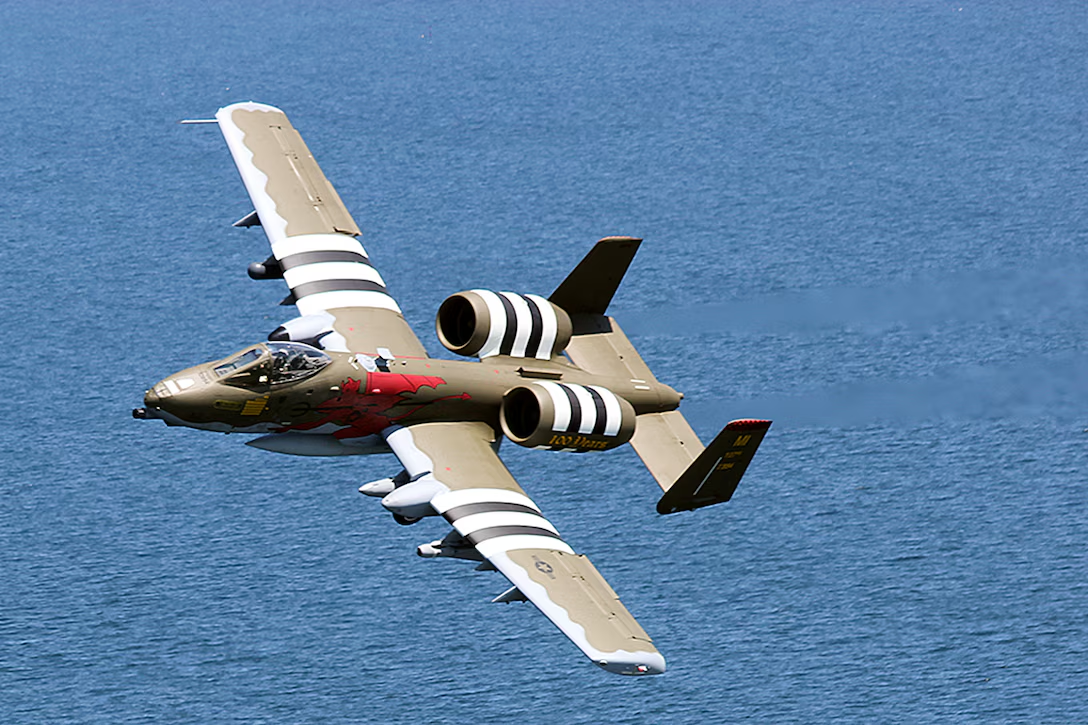
As the service retires the A-10 fleet, its tactical expertise, operational responsibilities and personnel are moving to multirole and advanced fighter platforms. The Air Force says the shift is intended to sustain air support capability across the force.
Airmen formerly assigned to the Thunder Aircraft Maintenance Unit within the 757th Aircraft Maintenance Squadron are also moving.
Those personnel are being transferred to other squadrons and airframes, including the F-35 and F-16.
“The transition marks less of a retirement and more of an evolution, ensuring that the Warthog’s legendary commitment to protecting troops on the ground is carried forward by the airmen and advanced platforms shaping the future fight,” the release reads.
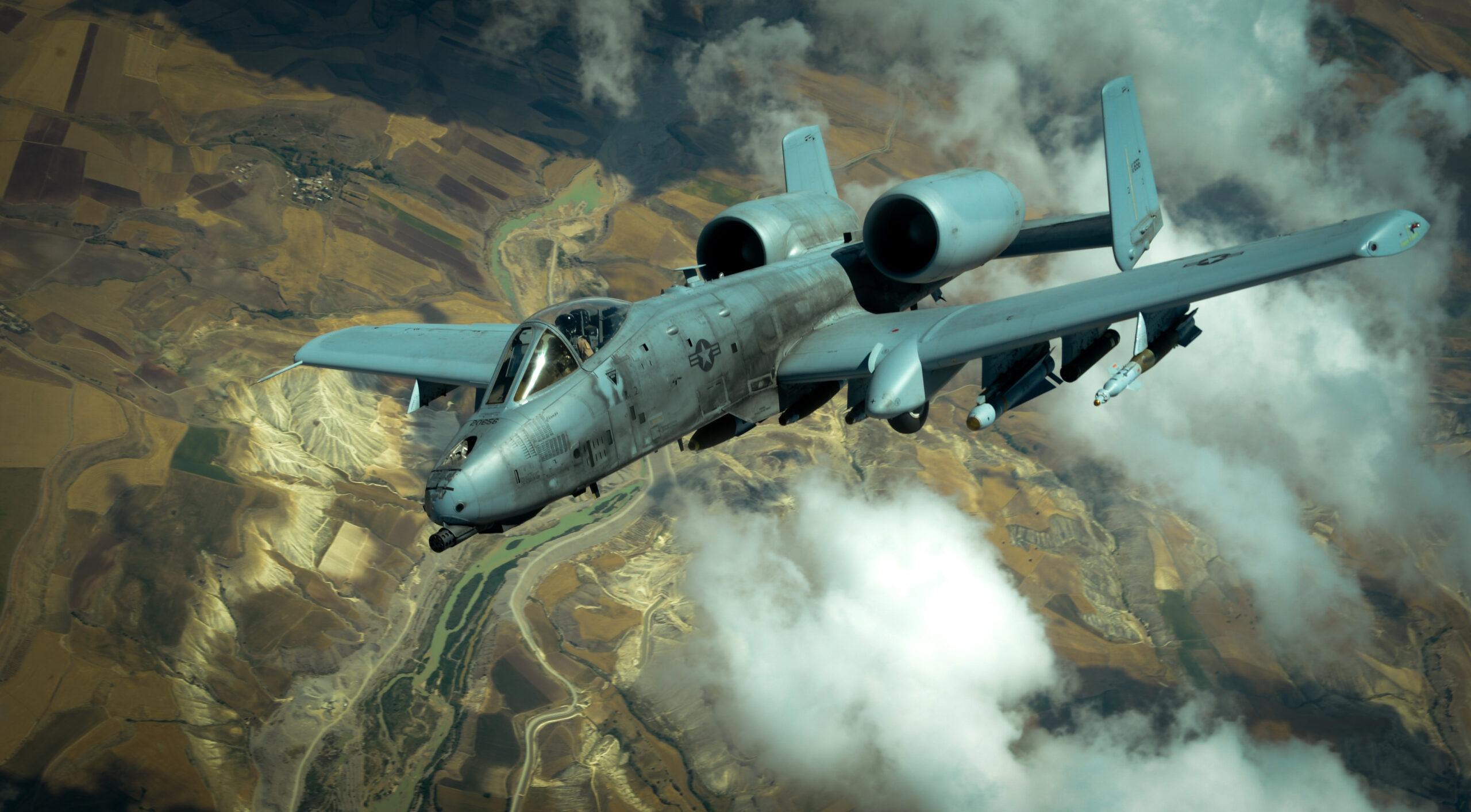
With the Nellis aircraft retired, Moody Air Force Base in Georgia is now the final base operating active duty operational Warthogs.
Whiteman Air Force Base in Missouri continues to operate a reserve A-10 squadron.
The Air Force previously announced extensions for several remaining units. One active duty squadron at Moody and one reserve squadron at Whiteman are scheduled to continue through 2030.
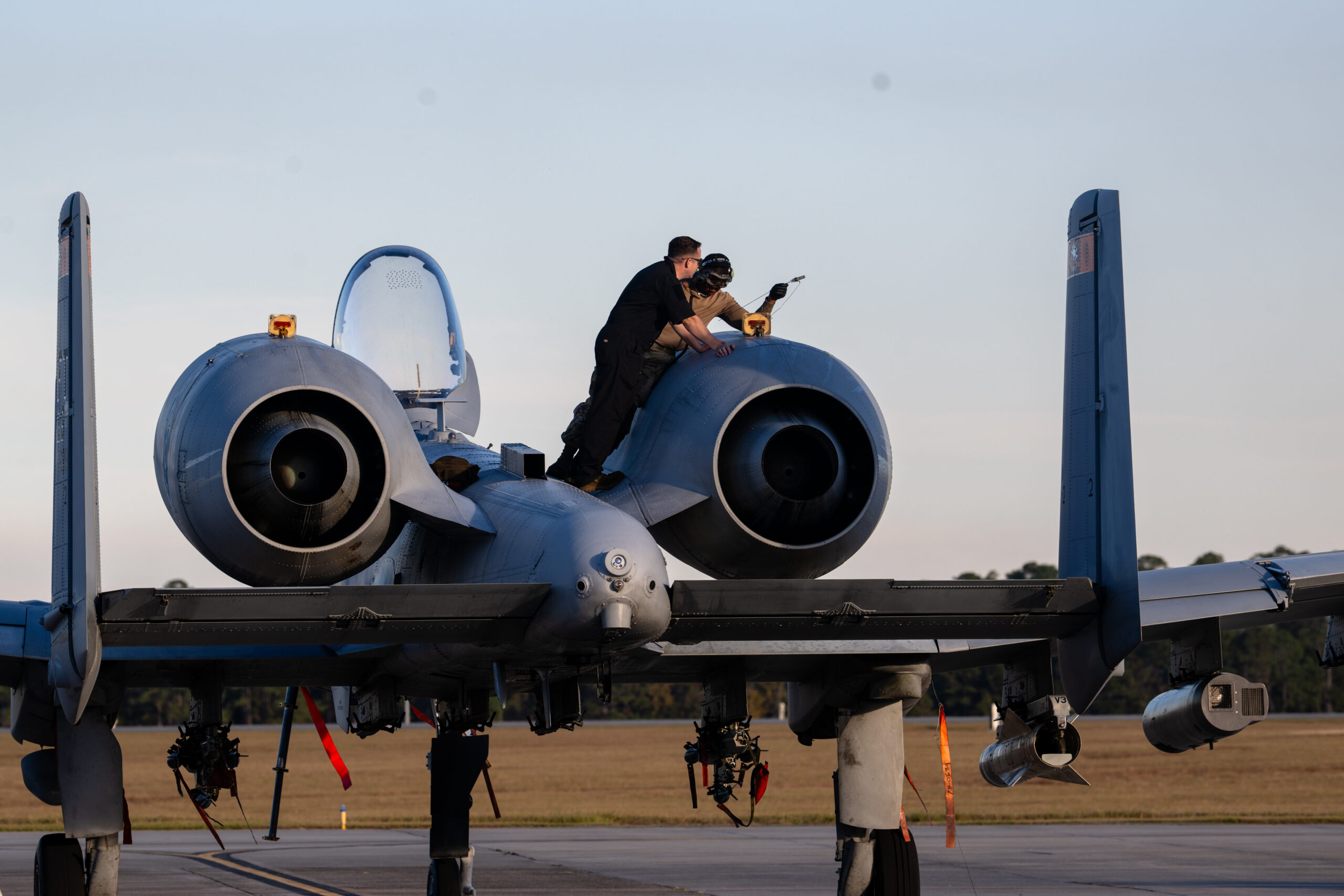
An additional active duty squadron at Moody is scheduled to continue through 2029. That plan replaced a previously established 2029 retirement timeline for the A-10 fleet.
The aircraft’s shrinking presence has also drawn attention in Congress.
A House of Representatives bill filed in July would require the Air Force to retain at least 126 Warthogs in service.
Known as the BRRRRT Act, the bill would also reverse earlier work to dissolve the aircraft’s maintenance depot, pilot training pipeline and weapons course.
It arrived as the service accelerated A-10 divestment.
The Air Force has asserted that close air support and combat search and rescue responsibilities can be performed by a combination of platforms. Those aircraft include the F-35A, F-15E and F-16.
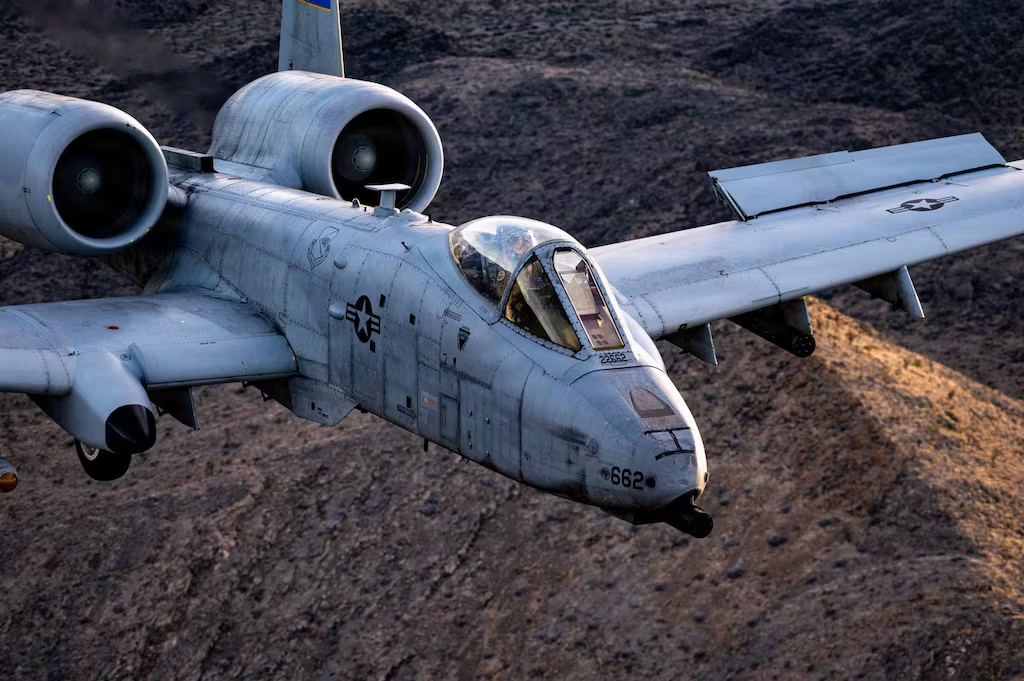
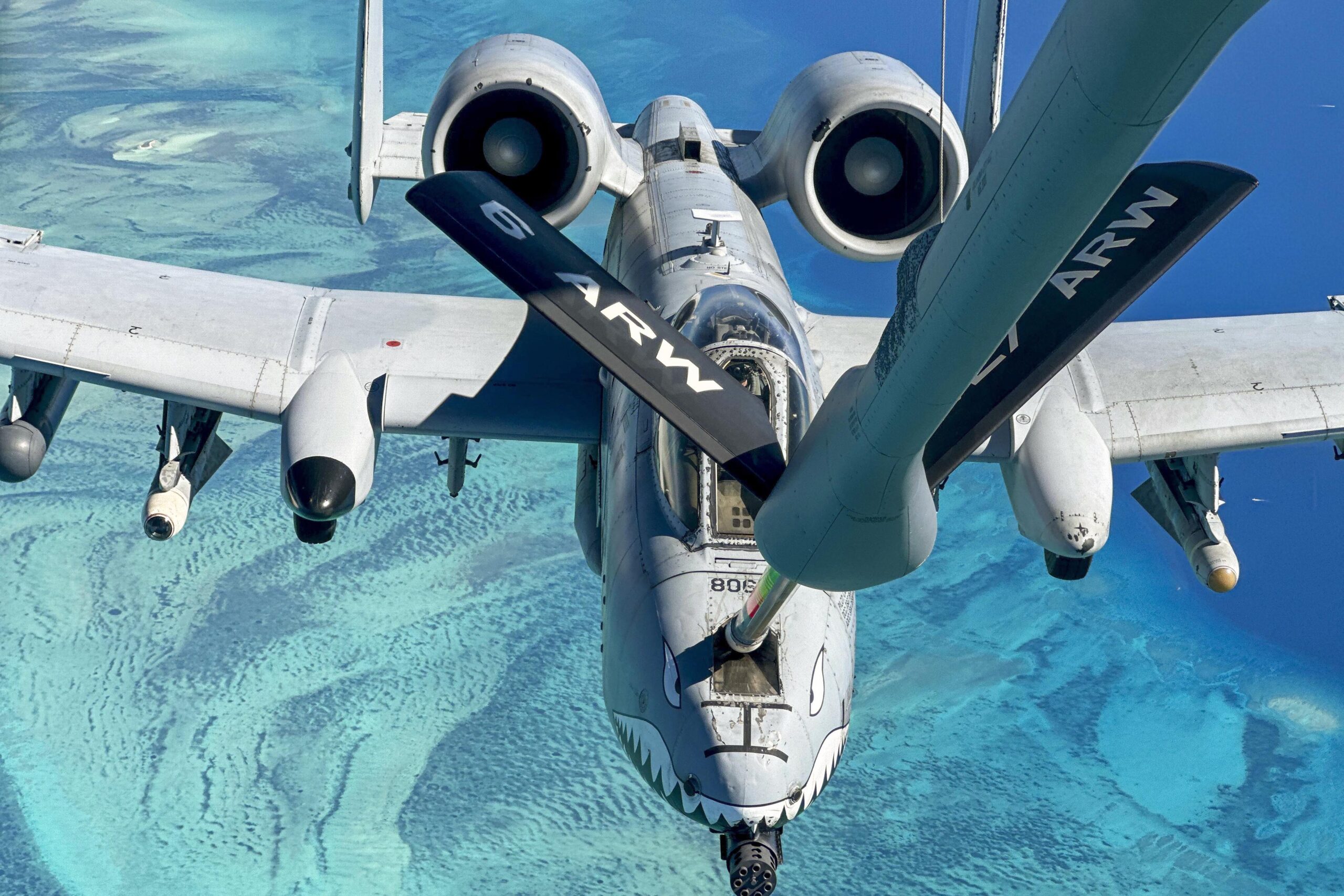
Rep. Abe Hamadeh, R-Ariz., introduced the legislation while pointing to the lack of an announced successor for the Warthog’s role.
“The BRRRRT Act ensures we do not retire a proven weapons system before a certified replacement exists,” Hamadeh said.
The aircraft has continued to perform operational missions during the retirement process.
MORE NEWS: Trump Revives Supreme Court Immigration Battle After Hochul Pardon Sank First Case [WATCH]
In Operation Epic Fury, the A-10 provided support and targeted Islamic Revolutionary Guard Corps fast attack watercraft in the Strait of Hormuz.
For Nellis, however, the final flight brings its direct operational chapter with the A-10 to a close.
The aircraft’s personnel, expertise and responsibilities are now shifting toward the platforms the Air Force expects to carry those missions forward.
The opinions expressed by contributors and/or content partners are their own and do not necessarily reflect the views of Objectivist. Contact us for guidelines on submitting your own commentary.
Share your opinion
COMMENT POLICY: We have no tolerance for comments containing violence, racism, vulgarity, hard-core profanity, all caps, or discourteous behavior. Thank you for partnering with us to maintain a courteous and useful public environment!