WHAT YOU NEED TO KNOW
- Novaspace expects 2,306 defense ISR satellites to launch from 2026 through 2035, compared with 485 during the previous decade.
- Most planned defense ISR satellites will operate in constellations rather than as individual spacecraft.
- Government space defense budgets are forecast to reach $121 billion in 2028, up from $74 billion last year.
- More than 400 space situational awareness satellites are expected to launch from 2025 through 2034.
The number of satellites launched to provide militaries and government defense organizations with intelligence, surveillance and reconnaissance data from space is expected to increase more than fourfold during the next decade, according to industry consultancy Novaspace.
The forecast points to a dramatic expansion in orbital ISR capacity as governments seek more persistent and timely intelligence.
Novaspace expects defense owned satellites to drive the segment’s future market.
According to data presented by Novaspace Chief Executive Officer Pacôme Révillon, 2,306 defense ISR satellites are expected to reach orbit from 2026 through 2035.
Trump's Sovereign Wealth Fund: What Could It Mean For Your Money?
MORE NEWS: Scott Jennings Torches CNN Hysteria and Sets the Record Straight on Greenland Deal [WATCH]
That compares with 485 launched during the decade through 2025.
Révillon presented the figures Tuesday at the Space Defense and Security Summit in Paris.
ost defense ISR satellites launched during the coming decade are expected to operate as parts of constellations rather than as individual satellites.
The projected increase reflects the importance governments now place on collecting intelligence from orbit.
FREE Gun Law Map: Laws Don't Pause During Social Unrest
Révillon described ISR as a key priority for most nations and pointed toward greater diversification of assets supporting persistent and real time intelligence.
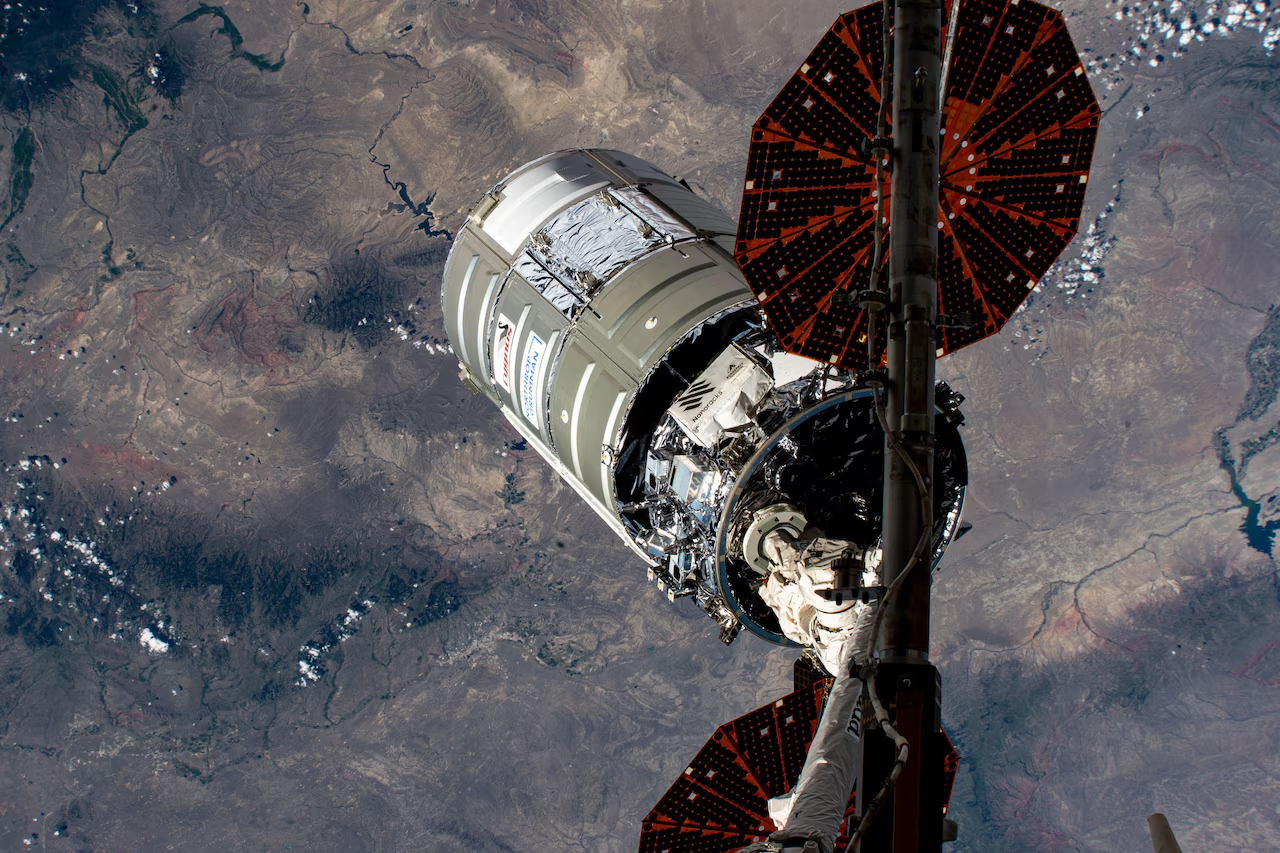
The war in Ukraine has highlighted the battlefield importance of intelligence gathered from space.
It has also placed attention on whether governments can reliably obtain that information when military operations depend upon it.
A brief halt in United States data sharing during March 2025 further demonstrated the need for governments to maintain assured access to space based intelligence.
The episode also benefited commercial providers of ISR satellites, including Finland’s ICEYE.
Révillon said the world was already largely transparent, but governments are moving toward a wider assortment of assets.
The direction of the market increasingly favors systems capable of delivering intelligence persistently and in real time.
Government spending projections presented by Novaspace show funding rising alongside the planned satellite expansion.
The consultancy forecasts government budgets for space defense will reach $121 billion in 2028, up from $74 billion last year.
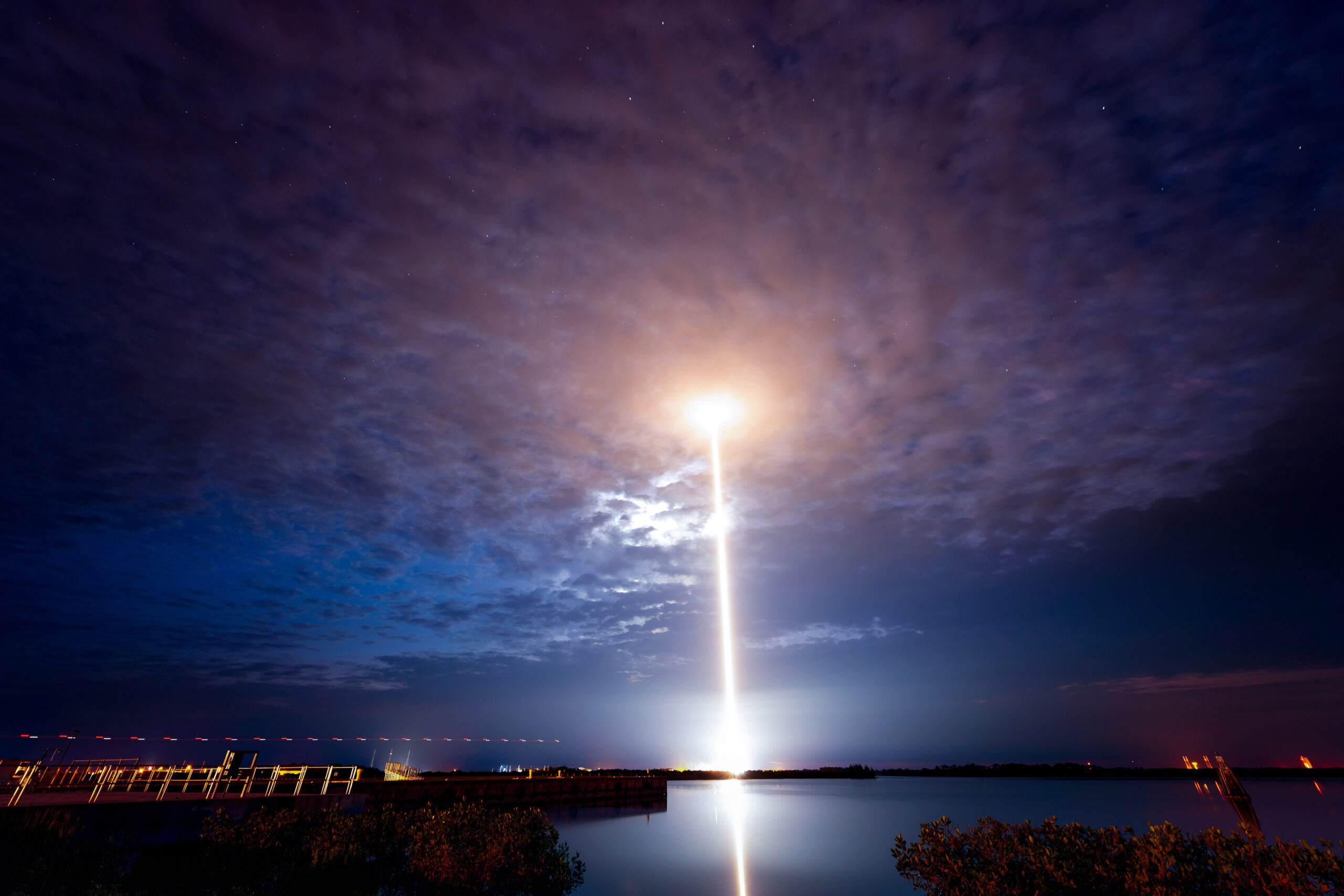
That projected total also represents a substantial increase from 2022, when government budgets for space defense amounted to $53 billion.
Novaspace said at least 55 countries currently maintain space defense budgets.
The growth will not be confined to satellites dedicated specifically to ISR missions. Novaspace expects the overall number of operational systems in space could rise as much as fivefold during the coming years.
The consultancy projects between 50,000 and 100,000 operational systems could be in space by 2036.
That would compare with 18,000 satellites in 2026, creating a much larger population of orbital systems requiring monitoring.
As the number of systems increases, governments and military organizations will face a greater need to identify and track objects in orbit.
That requirement is expected to fuel additional activity involving space situational awareness, commonly known as SSA.
More than 400 satellites dedicated to SSA are expected to be launched from 2025 through 2034, according to Novaspace.
Those spacecraft will enter an increasingly busy orbital environment shaped by ISR constellations and other operational systems.
Global spending on SSA is forecast to total $61 billion during that period. Defense programs are expected to account for most of the spending, with $52 billion tied to those programs as governments pour resources into tracking the expanding number of systems above Earth.
The opinions expressed by contributors and/or content partners are their own and do not necessarily reflect the views of Objectivist. Contact us for guidelines on submitting your own commentary.
Share your opinion
COMMENT POLICY: We have no tolerance for comments containing violence, racism, vulgarity, hard-core profanity, all caps, or discourteous behavior. Thank you for partnering with us to maintain a courteous and useful public environment!