WHAT YOU NEED TO KNOW
- Three Navy and Marine Corps aircraft suffered engine fires during routine training missions across July and August.
- An F/A-18F, CH-53E, and F/A-18E each completed emergency landings or shutdown procedures without crew injuries.
- The Naval Safety Center classified the incidents as Class A mishaps, while investigations into all three fires remain underway.
- The Navy plans to repair the damaged July 1 Super Hornet and return it to service.
Three separate engine fires struck U.S. naval aviation aircraft during a two month span this summer, forcing emergency landings and causing millions of dollars in damage.
All three aircraft landed safely or were evacuated without injuries to crew members.
The incidents were recorded by the Naval Safety Center, which tracks Class A mishaps through a publicly accessible dashboard. That classification covers accidents causing at least $2.5 million in damage or resulting in death or loss of life.
Neither the Navy nor the Marine Corps publicly announced the fires when they occurred.
Trump's Sovereign Wealth Fund: What Could It Mean For Your Money?
MORE NEWS: Florida Socialist Senate Candidate Smears ‘Stop Woke’ as Racist Code Against Black People [WATCH]
Although the aircraft sustained damage, the crews completed the emergency responses safely in each case.
The first fire occurred July 1 aboard an F/A-18F Super Hornet with two seats over Naval Air Station Fallon, Nevada.
The aircraft belonged to Strike Fighter Squadron 22, based at Naval Air Station Lemoore, California, roughly 300 miles away.
A Naval Air Forces spokesperson said the Super Hornet experienced a fire in its left engine during a routine training mission.
FREE Gun Law Map: Laws Don't Pause During Social Unrest
“The aircrew executed emergency procedures and landed safely at [NAS Fallon] with no injuries.”
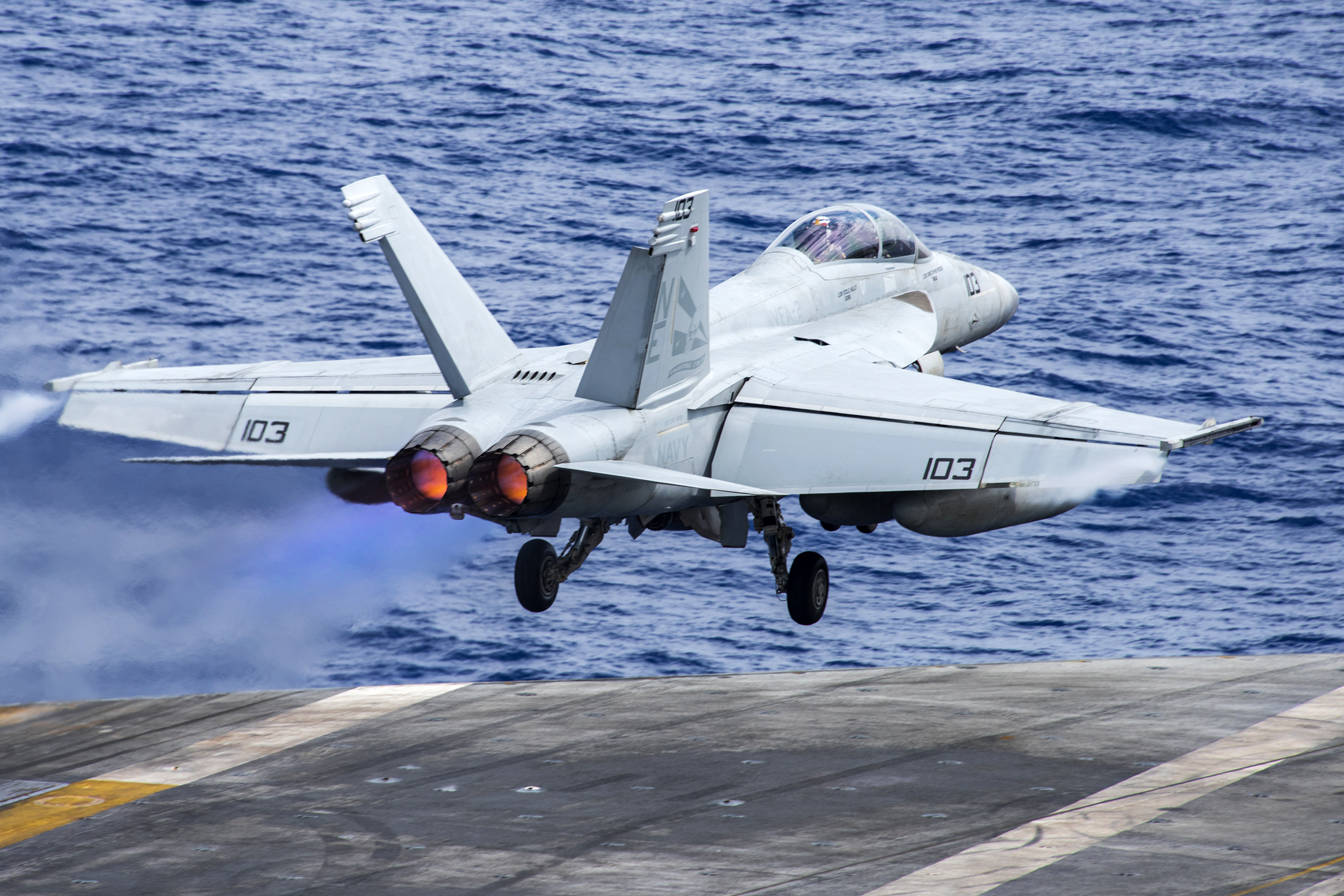
Estimated damage from the incident exceeds $2.5 million. The Navy intends to repair the fighter and return it to service, while an investigation into the fire remains underway.
The second mishap occurred Aug. 16 and involved a Marine Corps CH-53E Super Stallion helicopter assigned to Marine Heavy Helicopter Squadron 466 in San Diego, California. Officials with 3rd Marine Corps Air Wing said the fire happened around 11 p.m. during routine night training over Glamis, California.
“The aircraft executed an emergency landing after experiencing an engine fire while conducting training,” officials said in a provided statement.
“After conducting an emergency shutdown, all crew members safely egressed the helicopter.”
Officials said that incident also remains under investigation. They did not provide further details about the helicopter fire or the damage.
The third incident involved an F/A-18E Super Hornet with one seat near Naval Air Station Oceana, Virginia. Naval Air Forces Atlantic spokeswoman Lt. Cmdr. Courtney Callaghan declined to answer most questions from Military Times about what happened.
“A U.S. Navy F/A-18E Super Hornet experienced an engine fire in flight during a routine training mission and landed safely at Naval Air Station Oceana. The aircrew sustained no injuries, and the incident is under investigation,” Callaghan said.

The three fires do not appear to be linked, according to the source report. Still, they removed operational aircraft from commission during a period of heightened operational tempo, even as the investigations continued.
Such fires also remain relatively rare in Naval Safety Center records. The center documented only one other engine fire this fiscal year, involving an F/A-18F that caught fire during takeoff on March 25 and had to land at Naval Air Station Lemoore.
The center reported no engine fires in Fiscal Year 2025. Engine fires can be particularly dangerous because they require emergency landings and can sometimes point toward broader mechanical problems.
In 2022, the Army grounded its entire CH-47 Chinook helicopter fleet following several separate engine fires attributed to fuel leaks.
The grounding continued for nearly a month before roughly 400 helicopters were gradually cleared to return to service.
Super Hornets have experienced multiple engine fires in recent years. Two fires during flight occurred in September 2020, followed by two more during flight in late 2021.
Another Super Hornet engine fire in August 2022 required a repair aboard the carrier George H.W. Bush.
The operation was the first repair of its kind conducted at sea, according to the source report.
For the three latest mishaps, the immediate result was the same despite the damage and danger.
Emergency procedures worked, every aircraft reached the ground, and no crew members were injured while investigators began searching for answers.
The opinions expressed by contributors and/or content partners are their own and do not necessarily reflect the views of Objectivist. Contact us for guidelines on submitting your own commentary.
Share your opinion
COMMENT POLICY: We have no tolerance for comments containing violence, racism, vulgarity, hard-core profanity, all caps, or discourteous behavior. Thank you for partnering with us to maintain a courteous and useful public environment!