WHAT YOU NEED TO KNOW
- A canopy mounted 360 degree camera recorded a Thunderbird pilot ejecting from an F-16 at less than 500 feet.
- The pilot landed safely by parachute and was treated for minor injuries.
- An investigation blamed an engine flaw and cleared the pilot and maintenance crews of responsibility.
- Thunderbirds pilots routinely use cockpit footage to review formations, flight lines, crowds and landmarks.
The Air Force Thunderbirds are among the most extensively photographed aircraft in the U.S. military.
The Pentagon’s official photography archive contains more than 20,000 photos and 500 videos featuring the demonstration team’s pilots and F-16 jets.
Yet some of the most remarkable images of the Thunderbirds emerged Monday through an unlikely source.
They appeared inside a formal accident investigation report examining the cause of a team jet’s crash last December.
Trump's Sovereign Wealth Fund: What Could It Mean For Your Money?
MORE NEWS: Trump Revives Supreme Court Immigration Battle After Hochul Pardon Sank First Case [WATCH]
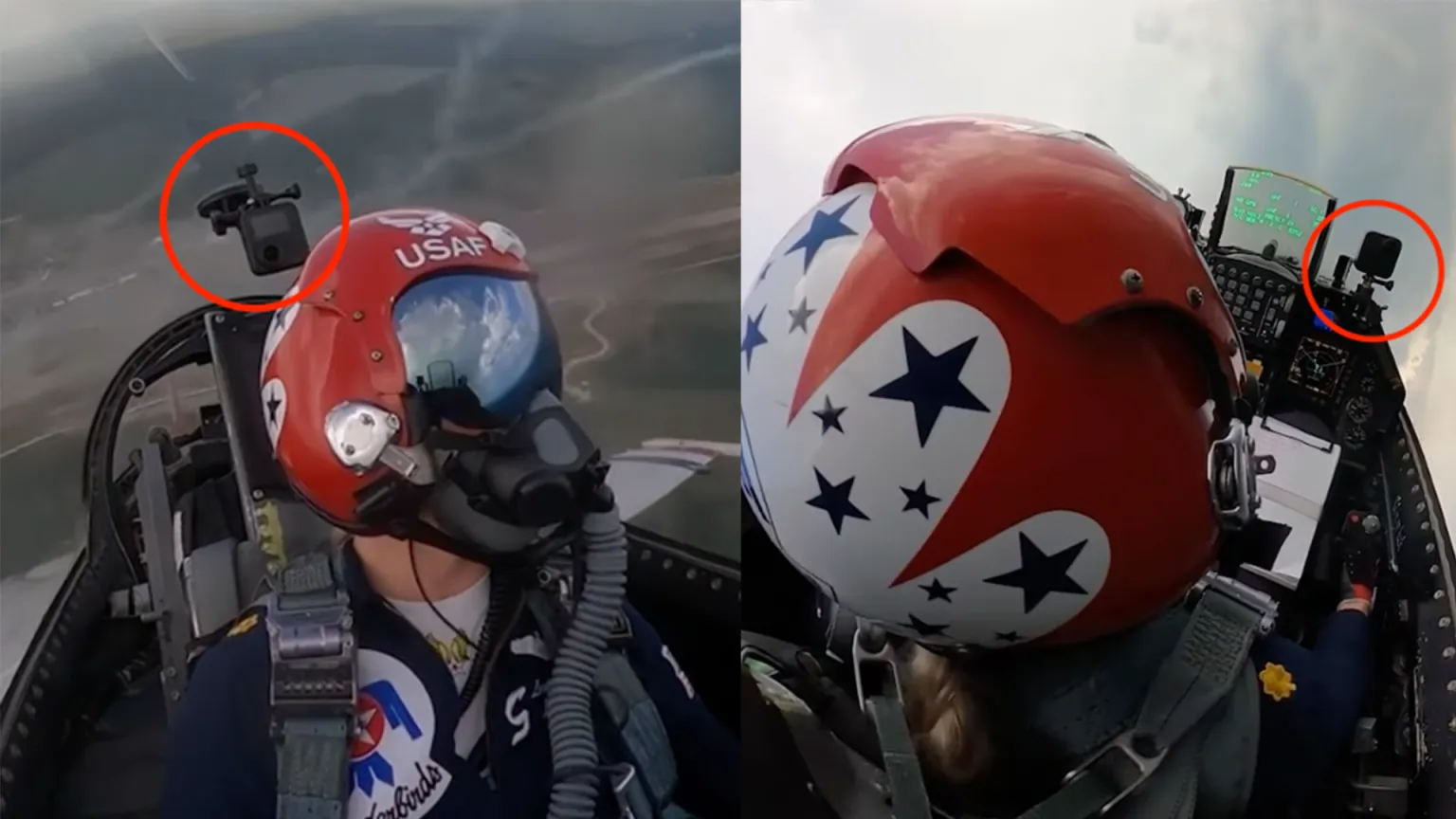
The images came from a 360 degree video camera mounted to the aircraft’s canopy.
When the pilot ejected at less than 500 feet above the ground, small explosive charges sent that canopy upward and away from the stricken jet.
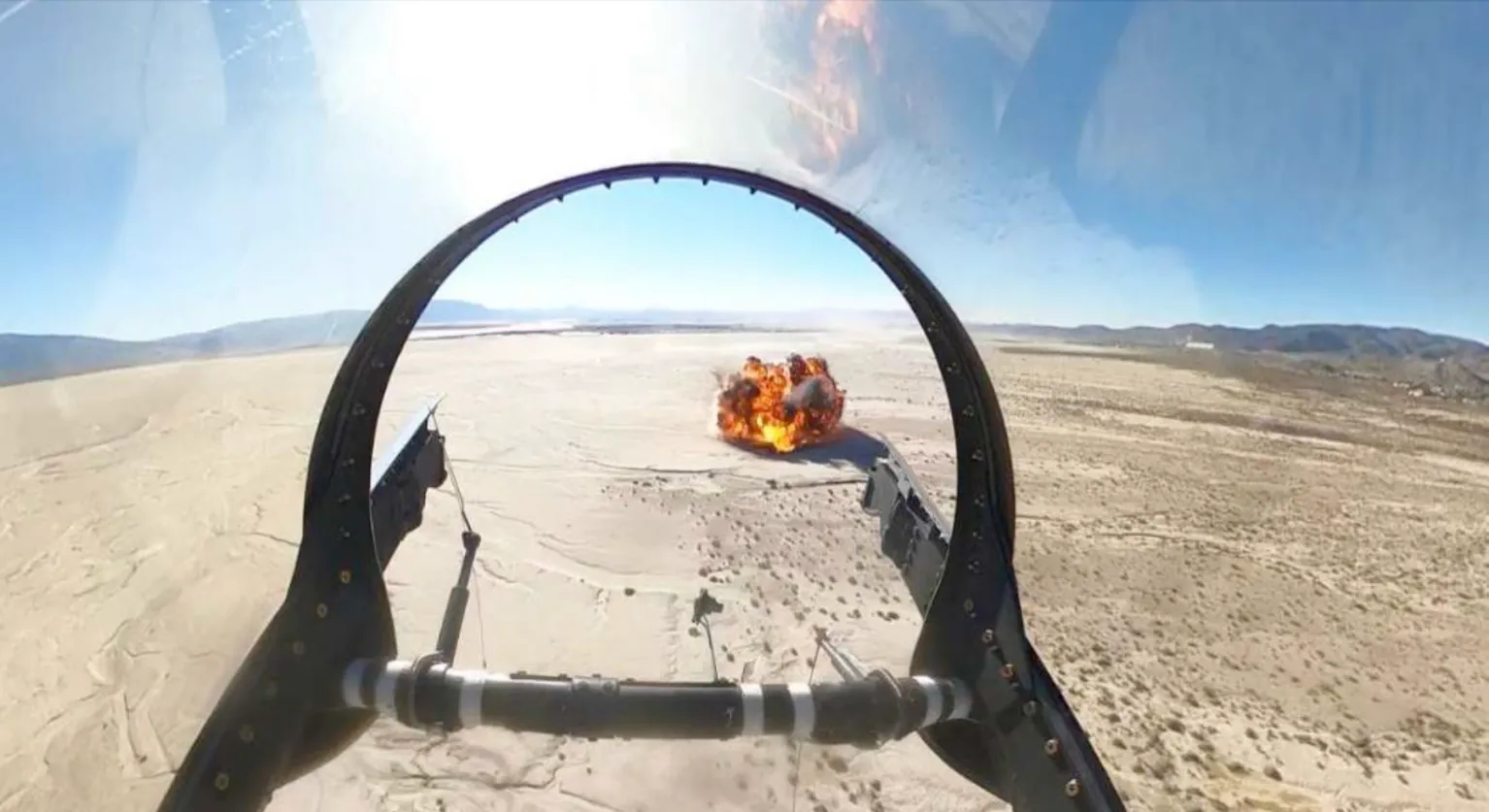
The camera continued recording as the canopy shot into the air. Over a span of only five seconds, it captured the pilot blasting clear of the F-16 from just a few dozen feet away.
Another image, filmed while looking upward through the clear canopy, shows the pilot’s parachute opening in midair.
FREE Gun Law Map: Laws Don't Pause During Social Unrest
The camera then recorded the F-16 crashing into the California desert in a massive fireball a few hundred feet below.
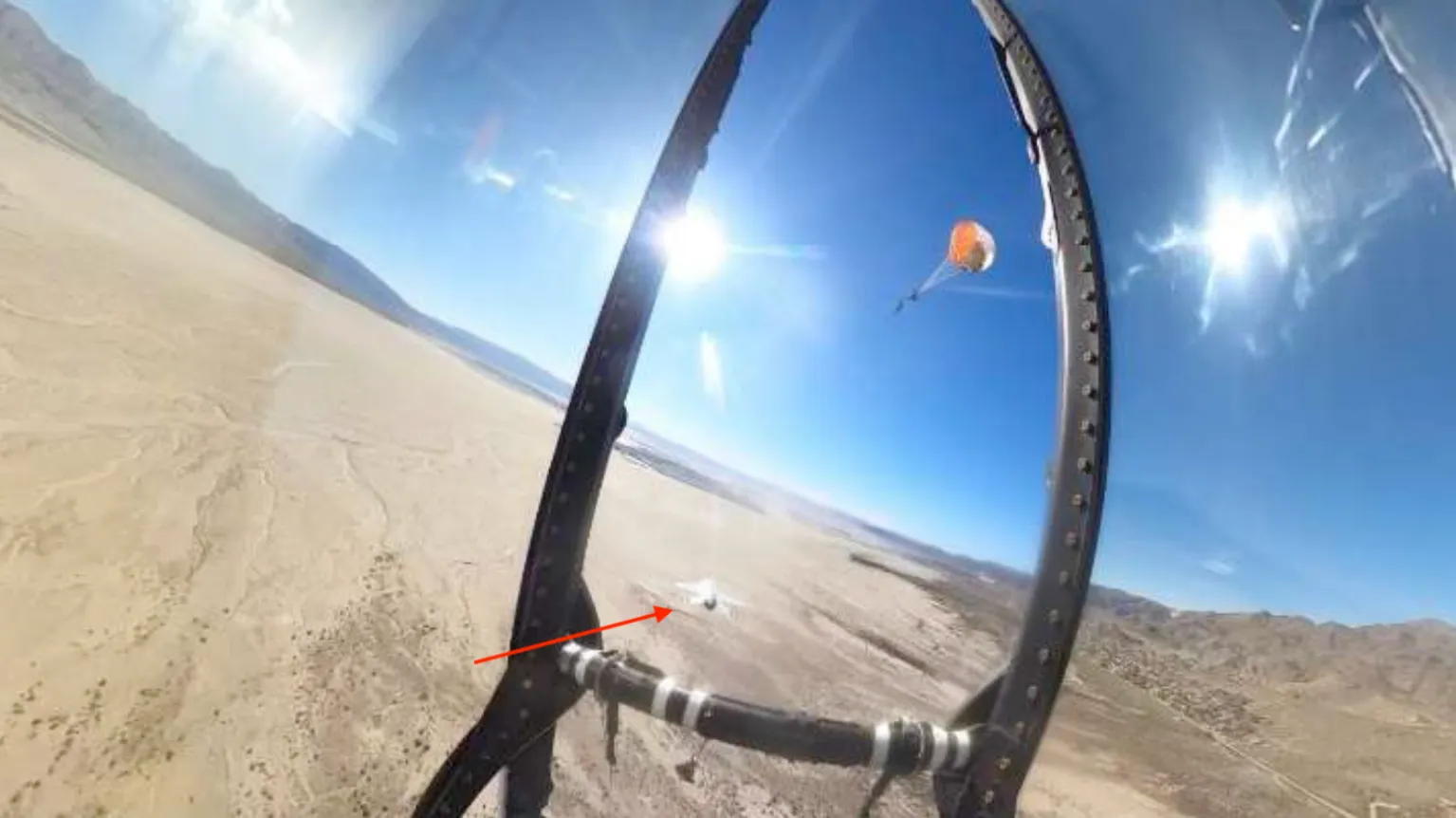
Despite the dramatic sequence and extremely low altitude, the pilot landed safely by parachute.
The Air Force has not identified the pilot, who received treatment for minor injuries after the crash.
The investigation determined that a flaw in the jet’s engine caused the crash. It also cleared both the pilot and the unit’s maintenance crews of responsibility for the mishap.
Thunderbirds spokesperson Capt. Hannah Durbin said that she could not discuss details of the crash or the investigation.
She did, however, explain that the cockpit’s 360 degree cameras play a central role in preparing the team’s pilots for demonstrations.
“They use them immediately when they come back in after every flight and debrief,” Durbin said.
Pilots examine the recordings to assess their positions relative to the other jets and determine where the team passed over crowds and landmarks during a show.
The videos allow pilots to scrutinize parts of a flight that may not have felt quite right from the cockpit.
That process gives them another view of their positioning and execution during tightly coordinated maneuvers.
“They bring the footage in with them [from the jets to a debriefing], and they’ll watch specific parts. I mean, the pilots are pros at flying these maneuvers, right? So they usually have a feeling, ‘hey, maybe I was a little bit off here, or maybe this felt a little bit funky,’ and then that’s when they use the footage to kind of dig further into it.”
The team’s commander, known among the Thunderbirds as “Boss,” also relies on the cockpit recordings.
This season’s commander, Lt. Col. Alexander Prevendar, uses the videos with a three dimensional headset to prepare for upcoming shows.
“Before we go to a show site, he will pull up the footage from maybe the past Boss who’s flown it,” Durbin said.
“He actually uses an Oculus to fly and go through [the flight].”
Durbin explained that the other pilots fly according to the Boss, watching the nearby aircraft and the distance between them.
The Boss, meanwhile, must fly the actual lines and understand precisely how the route will look.
For a recent performance in Owensboro, Kentucky, Prevendar used the headset and cockpit video to evaluate the flight line over a bridge spanning a river at the center of the show.
“There’s a giant bridge across the river,” Durbin said. “How does that change our maneuvers?”
The Thunderbirds also compare cockpit recordings with video captured from the ground. That provides both the crowd’s perspective from the show center and the pilots’ views from inside the formation.
“You’re just watching it from all angles, right?” Durbin said. “So on the ground, you’re seeing the crowd’s perspective, and what it looks like from show center, versus like in the cockpit, plane to plane, and you’re just using the different reference points to make sure the maneuvers are what they need to be.”
The same camera system normally used to refine elite aerial demonstrations produced an extraordinary record of the December crash.
Its footage documented the pilot’s escape, the opening parachute and the F-16’s fiery impact within a matter of seconds.
The opinions expressed by contributors and/or content partners are their own and do not necessarily reflect the views of Objectivist. Contact us for guidelines on submitting your own commentary.
Share your opinion
COMMENT POLICY: We have no tolerance for comments containing violence, racism, vulgarity, hard-core profanity, all caps, or discourteous behavior. Thank you for partnering with us to maintain a courteous and useful public environment!