U.S. Ambassador to the United Nations Mike Waltz says the Trump administration is preparing to push major reforms at the global organization, including efforts to reduce its size, increase accountability, and change how American foreign aid is handled, as reported by Just the News.
Waltz made the comments Thursday night during an interview on the Just the News, No Noise television show, where he discussed the administration’s efforts to address fraud and waste involving U.S. foreign assistance.
“The charge from the president is to clean this place up and get it working for the American people,” Waltz said.
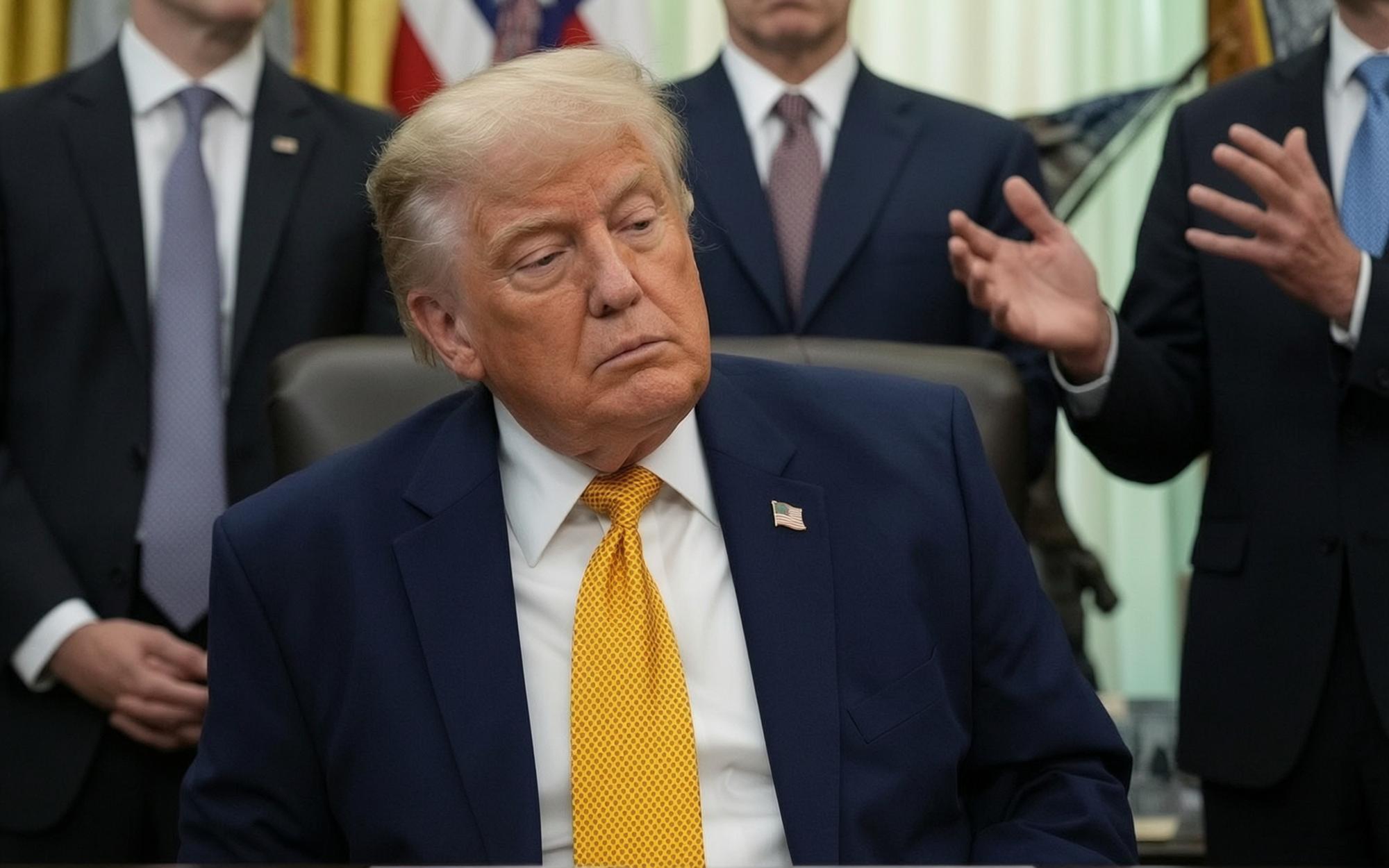
Trump's Sovereign Wealth Fund: What Could It Mean For Your Money?
MORE NEWS: Globalist Economics Left America ‘Dangerously Dependent’ on Foreign Nations: Rubio [WATCH]
“What President Trump has done with NATO, we're looking to do to the United Nations,” he added.
Waltz criticized the Biden administration over its handling of foreign aid and specifically pointed to funding for the United Nations Relief and Works Agency, commonly known as UNRWA.
President Donald Trump ended U.S. funding for UNRWA after taking office in 2025. The USAID inspector general reported last month that more than 100 workers funded by UNRWA had been identified as having participated in the Oct. 7, 2023, Hamas attack in Israel.
Waltz said the findings demonstrate the need for greater scrutiny of the U.N. and its operations. He also said the Trump administration has already secured reductions at the organization.
FREE Gun Law Map: Laws Don't Pause During Social Unrest
“We forced them to take their first budget cut ever in their 80-year history. They are going to fire 3,000 U.N. bureaucrats out of the headquarters building in New York. We're going to get more of our aid dollars,” he said. “...And then there's 90,000 U.N. peacekeepers around the world. We've cut 25% of them. So we put the U.N. on a diet.”
According to Waltz, the administration’s next phase of reform will draw from Trump’s approach to NATO, where the president has pushed U.S. allies to contribute more toward their collective defense.
Waltz said Americans remain generous when disasters and humanitarian emergencies occur, but argued that the United States needs stronger assurances that its money is reaching the people it is intended to help.
“The American people are generous people when it comes to tsunamis or earthquakes, like we just had in Venezuela, or other types of famine. But we need to know that it's not filtering through a bloated bureaucracy; that it's actually getting to people in need,” he said. “We're making it leaner and more focused.”
Waltz also defended continued American involvement with the United Nations, arguing that the organization remains useful as a place where countries can engage diplomatically.
“I think people rightly ask why we're even involved at all. I say two things. Number one, you need one place in the world where everyone can talk, and if we just walk out, I don't want to see the U.N. in Beijing or Brussels or somewhere else; we need to get in there and fight and win for American interests,” Waltz added.
“And then number two, there's a burden-sharing component to it. I don't want to see U.S. troops in places like Gaza or, you know, dealing with the gangs in Haiti when the U.N. is willing to go in there and we can push that agenda. I think that's something that's in line with the president's America First foreign policy.”
Waltz summarized the administration’s approach by emphasizing diplomacy, burden sharing and the reduction of military involvement where international organizations can assume responsibilities.
“So, diplomacy first, words before bullets, and burden sharing are two of the reasons we're still trying to keep this place up. But ultimately, that's the charge from President Trump: Help it realize its potential, and the U.N. should be helping him craft these peace deals around the world,” he said.
House Oversight Committee Chairman James Comer also appeared on the program Thursday and said the United States should continue reducing funding for the United Nations, particularly money connected to USAID.
“That was the first thing they cut when [Elon] Musk started DOGE [the Department of Government Efficiency]. That was the very first entity,” Comer said.
“And remember how bad the Democrats and the media acted. They clutched their pearls and went on MSNBC and screamed bloody murder. But now we're seeing that this was going to fund, you know, terrorist activity. This is going to fund groups that hate America and everything America stands for. So, the Democrats don't think there's one penny of fraud in the federal government, and there's significant fraud.”
MORE NEWS: New Dark Ages: How Leftist Elites Turned U.S. Cities into Filthy Feudal Wastelands [WATCH]
Comer said the administration has also reduced the federal workforce, including what he described as “left-wing activists.”
“A lot of your deep state actors are left-wing activists. A lot of the employees in the EPA and other government agencies are left-wing activists,” he said.
“One of the greatest accomplishments, I think, of this administration and this Congress is that there are 350,000 less federal employees today than there were when Donald Trump took office the second term. And if you look at the federal government, you look at spending, the biggest expense in just about every government agency and every division of every cabinet is personnel. So, we have shrank the government, even though I don't think a lot of people realize that, and that's a step in the right direction. We've got a long way to go, but there has been progress in the last two years.”
Former USAID Inspector General Jonathan Schofield, who spent 25 years working to combat fraud in the federal government, said investigators had mechanisms for examining questionable spending.
“They're not sitting in the embassy. They're going out. They're doing field visits and interviews and conducting investigations that have had tremendous results,” he said.
“So, that is something that I think is a very, very important first step to remember in terms of how it is that foreign assistance can be protected moving forward. We have the answer. You have a really solid, experienced cadre of professionals who know how to address it.”
Concerns over federal spending have extended beyond foreign assistance.
Gregg Roman, executive director of the Middle East Forum, said the Department of Health and Human Services is investigating more than $80 million spent in California on refugee programs and other public disbursements that allegedly went toward supporting terrorist organizations.
MORE NEWS: China, the EU, and the Swamp Hate This Deal: President Trump’s Venezuela Oil Coup Explained [WATCH]
Roman said the larger concern involved the lack of oversight surrounding some overseas assistance.
“The theme of this was that there was so much money being granted to overseas assistance without any oversight, without any audit, without any forensic review of what was going on,” Roman said.
“Contractors were just trying to cough the money up from the U.S. government and spend it willy-nilly before their fiscal year ended, and this culture of largess, of no accountability, ended up being given to individuals and organizations which were contrary to what I think would be where America would want to spend its funds.”
The Trump administration’s approach represents a significant effort to reduce the size of international organizations receiving American money while maintaining a U.S. presence in global diplomacy.
Waltz has made clear that the administration does not intend to simply abandon the United Nations. Instead, the stated goal is to reduce costs, increase oversight and require greater contributions from other countries while ensuring U.S. interests remain central to American foreign policy.
The debate over the future of U.S. foreign aid is likely to continue as the administration examines spending, staffing, and oversight at both the United Nations and federal agencies responsible for distributing American assistance.
The opinions expressed by contributors and/or content partners are their own and do not necessarily reflect the views of Objectivist. Contact us for guidelines on submitting your own commentary.
Share your opinion
COMMENT POLICY: We have no tolerance for comments containing violence, racism, vulgarity, hard-core profanity, all caps, or discourteous behavior. Thank you for partnering with us to maintain a courteous and useful public environment!