WHAT YOU NEED TO KNOW
- Water service began returning Saturday at Camp Humphreys after a widespread outage disrupted America’s largest overseas installation.
- Residents were told to wait until after 5 a.m., then flush all water sources for 30 minutes.
- The Army deployed water buffaloes and opened drinking water distribution sites while emergency maintenance crews conducted repairs.
- Officials had identified the water issue but had not publicly disclosed its cause or the number of people affected.
Water began moving again at Camp Humphreys in South Korea on Saturday, Sept. 26, 2026, after a widespread outage cut running water for residents.
The disruption also forced the Army to deploy emergency water tanks and interrupted services across America’s largest overseas installation.
U.S. Army Garrison Humphreys said crews were restoring service early Saturday, marking progress after hours of escalating problems.
While the return had begun, officials made clear that the water system still needed time to complete its repressurization process.
Trump's Sovereign Wealth Fund: What Could It Mean For Your Money?
Residents were asked not to use water until after 5 a.m. as pressure returned throughout the system. Once that time passed, they were instructed to run every water source for 30 minutes to flush their plumbing.
The garrison said the restored water was potable, although it warned that the supply could look discolored at first.
Officials attributed that possible appearance to turbidity while maintaining that the water was safe to drink.
Updates had been posted on the garrison’s Facebook page since the problem emerged Friday evening.
FREE Gun Law Map: Laws Don't Pause During Social Unrest
Those posts tracked an issue that started with reduced pressure before expanding into what the garrison called “widespread water service disruptions and outages.”
Emergency maintenance crews carried out repairs as the disruption continued. Army officials later said they had “identified the water issue,” but they did not publicly disclose what had caused the breakdown in service.
The repair effort also encountered complications tied to Chuseok, one of South Korea’s major holidays. According to the garrison, the holiday “delayed and compounded” the repairs as residents waited for normal water service.
As the outage stretched on, the Army placed portable water tanks around the installation. The tanks, known as water buffaloes, were joined by drinking water distribution sites established to provide water while crews addressed the system problem.
MORE NEWS: California Burns $11 Billion a Year on ‘Shadow Welfare System’ for Illegal Aliens [WATCH]
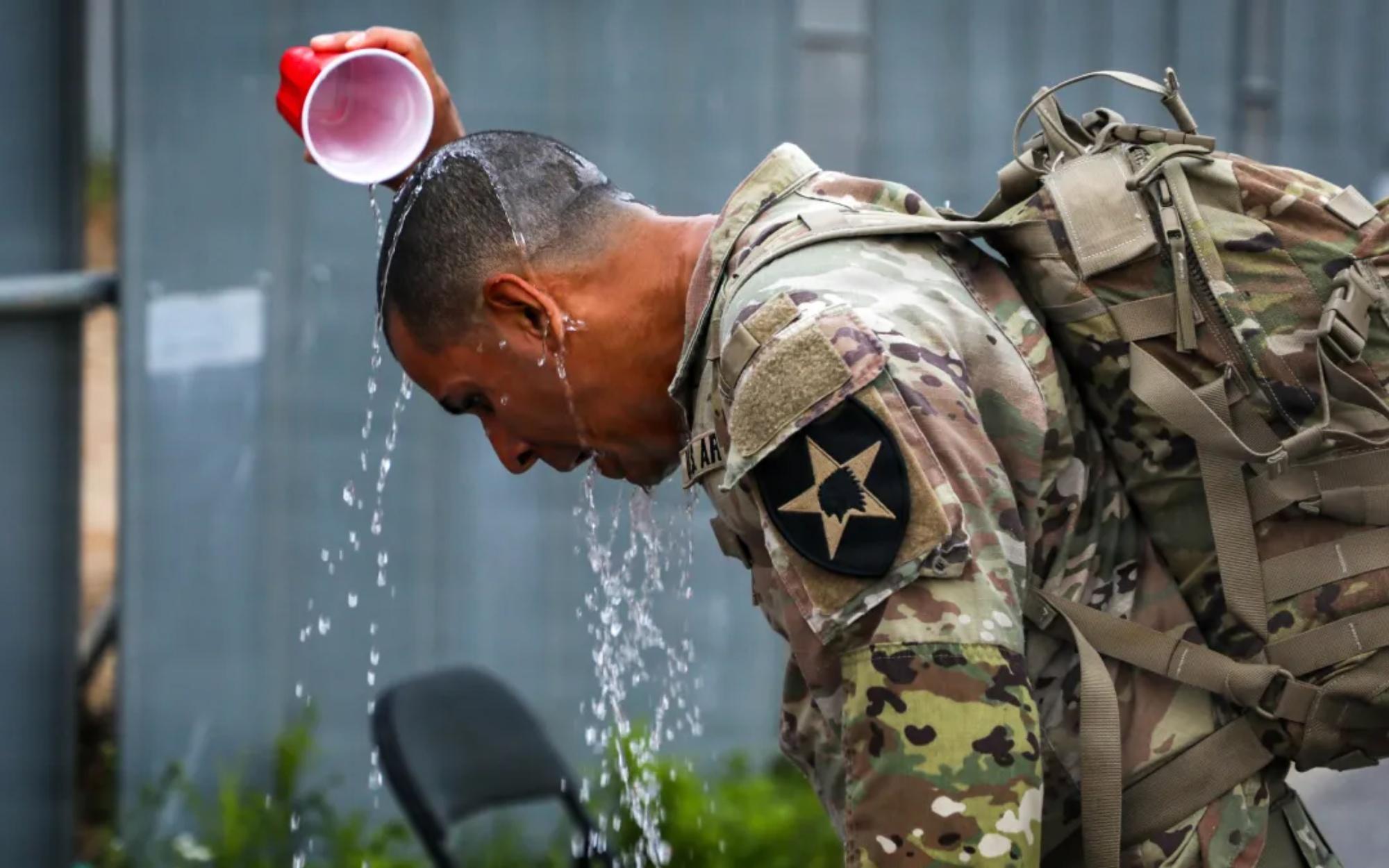
Those emergency measures gave the Camp Humphreys community access to drinking water during the outage.
They also illustrated the extent of the response required while the regular water system remained disrupted.
The Army had not publicly provided the number of people affected as of Saturday morning. It also had not identified the outage’s cause, leaving both the scale of the impact and the source of the failure undisclosed.
Even after the restoration process began, some residents said their water had not returned. Their comments appeared while the garrison was cautioning the community that repressurization remained underway and service was still being brought back.
“No water at Lodging!” two people wrote in comments on the garrison’s Facebook page. Another person reported no water at senior leader quarters, while a fourth said lodging still lacked service.
Those individual accounts could not be independently verified. They came during the same period in which officials said the system was continuing to regain pressure across the installation.
The sequence began Friday evening with reduced water pressure, then worsened into broad disruptions and outages.
By Saturday, water was flowing again, but residents were still receiving specific timing and flushing instructions as crews restored the system.
The garrison’s guidance focused first on allowing pressure to build before residents resumed using water. After 5 a.m., residents were told to run all water sources for the full 30 minute flushing period.
Officials continued communicating through Facebook as the situation developed from reduced pressure to a widespread outage and then restoration. The updates also covered emergency maintenance, portable tanks, distribution sites and the continuing repressurization process.
By Saturday morning, the central water system was returning, but reports indicated that service had not reached every location at the same time.
The garrison’s warning about repressurization remained important as residents checked their individual buildings and quarters.
Camp Humphreys is in Pyeongtaek, about 40 miles south of Seoul. The installation serves as a major hub for U.S. military operations in South Korea and houses the headquarters of U.S. Forces Korea and Eighth Army.
The 2nd Infantry Division is also based at Camp Humphreys. The outage disrupted services at an installation that hosts residents and several major U.S. military commands and organizations.
The opinions expressed by contributors and/or content partners are their own and do not necessarily reflect the views of Objectivist. Contact us for guidelines on submitting your own commentary.
Share your opinion
COMMENT POLICY: We have no tolerance for comments containing violence, racism, vulgarity, hard-core profanity, all caps, or discourteous behavior. Thank you for partnering with us to maintain a courteous and useful public environment!