WHAT YOU NEED TO KNOW
- The Air Force is studying the Army’s decision to open military test ranges to approved companies.
- Brig. Gen. Mark Massaro said access could accelerate industry learning and help develop technology relevant to military needs.
- Massaro acknowledged security risks involving critical capabilities, information protection, overhead imagery, and drone incursions.
- The Army opened five ranges and said access could reduce testing timelines from 18 months to 30 days.
The Air Force is considering giving approved companies access to military test ranges, following an Army initiative intended to accelerate innovation and deliver weapons and technology to warfighters faster.
Earlier this year, the Army announced that five of its test ranges would be opened to industry. Four of those ranges are in the United States, while one is located overseas.
Brig. Gen. Mark Massaro, commander of the Air Force Test Center, said Tuesday that Air Force leaders are studying the Army’s approach. He made the comments during a forum hosted by the Mitchell Institute for Aerospace Studies.
“We’re … looking at how the Army has opened up some of their ranges to commercial access and understanding what it is that we can do, on the Air Force side, to maybe move forward in that direction,” Massaro said.
Trump's Sovereign Wealth Fund: What Could It Mean For Your Money?
MORE NEWS: Shield AI and U.S. Navy’s Response to Chinese Military Threat Involves New Super Intelligence Weapon
Massaro said the Air Force is “actively working with the Army” to determine how the concept might apply to Air Force facilities. Discussions have included leaders from Army Test and Evaluation Command and focused on how the Army created opportunities for contractors to use its ranges.
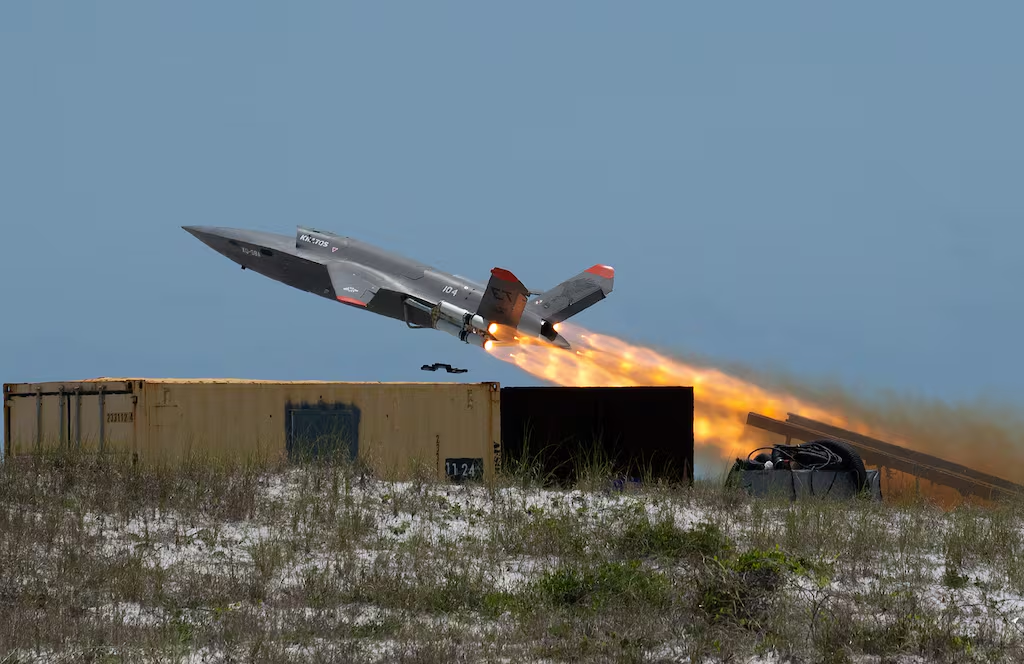
The general previously commanded the 96th Test Wing at Eglin Air Force Base, Florida. While serving in that position, he worked with Air Force officials and contractors to arrange smaller scale access to test ranges for particular tests.
Massaro said that experience produced “a lot of lessons” about how such an arrangement could operate. The broader effort now under consideration would draw from both those lessons and the Army’s developing model.
FREE Gun Law Map: Laws Don't Pause During Social Unrest
Opening military ranges to companies would not come without security concerns. Massaro acknowledged the danger posed by adversaries gathering imagery from above, an existing threat that has grown alongside drone incursions and could be aggravated by expanded access.
“We do understand that we have critical capabilities that we’re testing and we need to protect them,” Massaro said. “We do understand that there is a threat from an information security standpoint that we do pay attention to when we execute our tests, and we do work to design our processes and our ways of testing to account for that.”
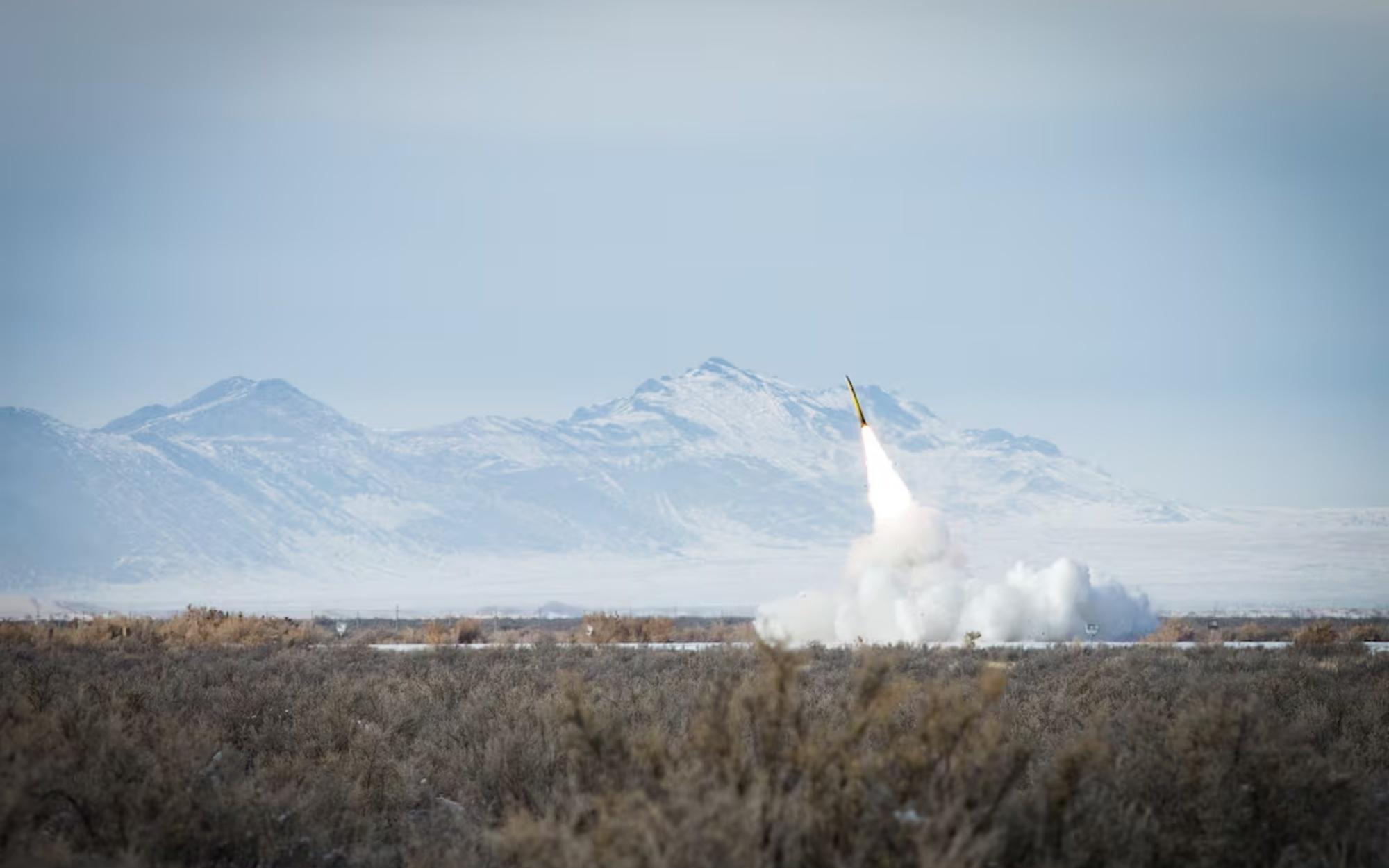
At the same time, Massaro pointed to clear advantages from helping companies test technologies under conditions they might not otherwise be able to access. He said industry is driving significant work in exploration and development through its own internal research and development efforts.
“Industry really is leading the way in a lot of ways on exploration and development, using their own internal research and development,” Massaro said. Access to military ranges, he added, could help companies accelerate their learning until a technology becomes relevant for possible military use.
Massaro said range access or access to other military assets could help advance that development process. The objective would be to enable some industry work while preserving the protections required for critical military capabilities and sensitive testing.
Former Army Secretary Dan Driscoll made industry access to Army test ranges a centerpiece of his effort to remove barriers and improve the efficiency of military innovation. In a January interview with CBS, he described testing conditions that private companies could not easily reproduce themselves.
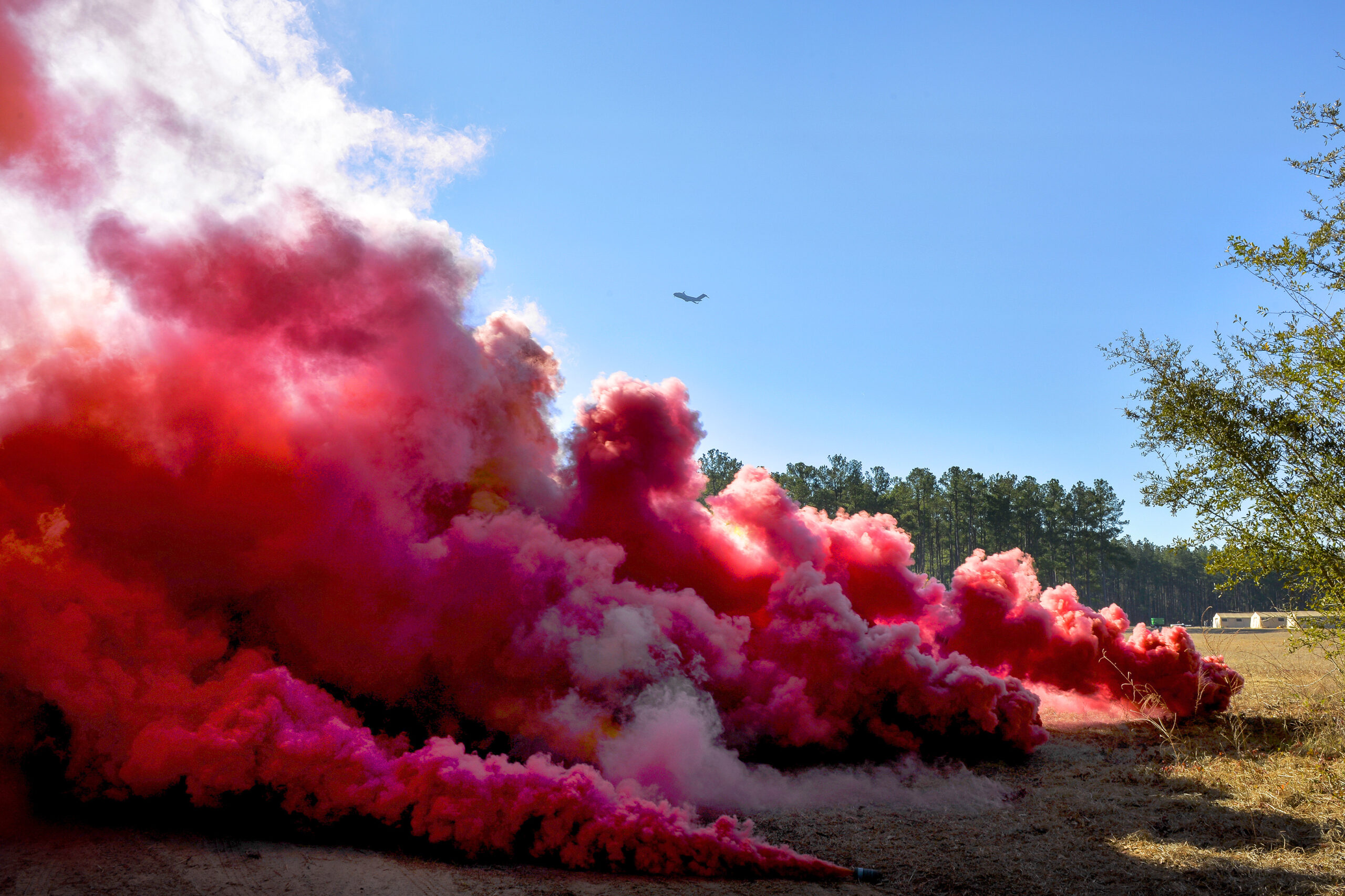
Those conditions included a range configured to imitate a Ukrainian battlefield, along with space for testing weapons technology designed to counter jamming and hypersonic weapons technology. Driscoll said opening the ranges could reduce a traditional testing process lasting as long as 18 months to as little as 30 days.
“A company with a good idea shouldn’t need a team of lawyers and a program of record just to prove their equipment works,” Driscoll said in an August statement announcing the openings. “So we fixed that. One front door … a real person to walk you in, and on the other side, everything the modern battlefield demands: contested airspace, degraded signals and the space to test at real scale.”
Companies can apply through an online portal for access to Dugway Proving Ground, Utah; West Cibola Range, part of Yuma Proving Ground, Arizona; Camp Shelby Joint Forces Training Center, Mississippi; and Camp Grayling Joint Maneuver Training Center, Michigan.
The fifth location is the Multidomain Training Area range complex within the Africa Multidomain Training and Experimentation Center in Morocco. Together, the five locations form the Army initiative that Air Force leaders are now examining as they weigh their own approach to industry access.
The opinions expressed by contributors and/or content partners are their own and do not necessarily reflect the views of Objectivist. Contact us for guidelines on submitting your own commentary.
Share your opinion
COMMENT POLICY: We have no tolerance for comments containing violence, racism, vulgarity, hard-core profanity, all caps, or discourteous behavior. Thank you for partnering with us to maintain a courteous and useful public environment!