WHAT YOU NEED TO KNOW
- Trump said he regrets nominating Justices Neil Gorsuch, Brett Kavanaugh, and Amy Coney Barrett during his first term.
- He criticized court rulings involving birthright citizenship, global tariffs, and Postal Service restrictions on ballots submitted by mail.
- Trump argued that a clause in the tariff ruling could have saved the government $400 billion.
- Trump praised Democratic appointees for voting together but said he wants good decisions rather than loyalty from his own picks.
President Donald Trump said he regrets choosing all three Supreme Court justices he nominated during his first term, pointing to a record of votes that he believes went against him too often. The remarks came in an interview published Thursday.
TIME asked Trump directly whether he regretted nominating Justices Neil Gorsuch, Brett Kavanaugh, and Amy Coney Barrett. Trump placed the three justices on the nation’s highest court between 2017 and 2020.
Trump responded by emphasizing that he had given each justice an extraordinary opportunity. He also acknowledged that the three have sometimes voted in his favor, even as he expressed clear frustration with their other decisions.
“Yeah. Yeah. What can I do? I put them in,” Trump said. “They voted against me too often. I was very—I gave them the position of a lifetime, and they vote against me often. They vote for me too.”
Trump's Sovereign Wealth Fund: What Could It Mean For Your Money?
The president focused much of his criticism on the court’s handling of birthright citizenship and his emergency tariffs. Both issues produced decisions that Trump viewed as damaging, not merely to his own agenda but to the country.
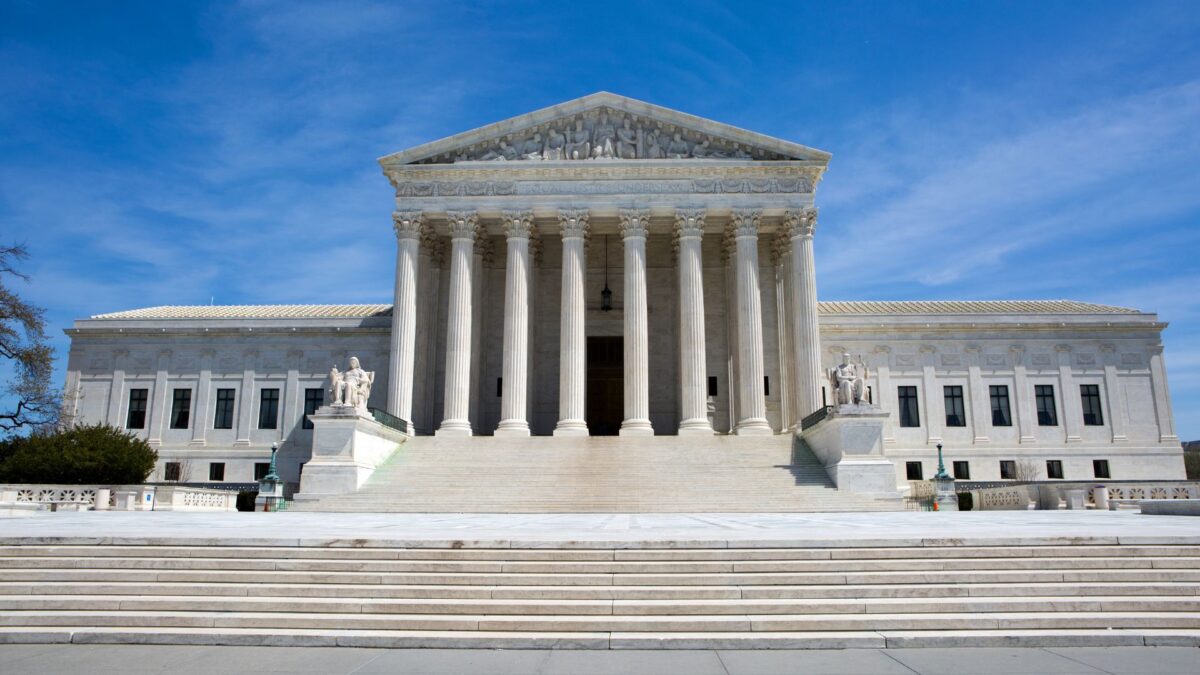
The Supreme Court in June found Trump’s order restricting birthright citizenship unlawful. Barrett and Kavanaugh joined the majority in that decision, while Gorsuch dissented.
“It’s unfortunate what they did—not to me, to our country,” Trump said of the citizenship ruling. “And it’s become a corrupt business, all because of the Supreme Court decision.”
FREE Gun Law Map: Laws Don't Pause During Social Unrest
Trump also criticized the justices over a February ruling that struck down his global tariffs. He argued that the court could have included a single clause that would have prevented the government from facing a major payout.
“All they had to do was a little clause saying any money paid does not have to be paid back…would have saved $400 billion,” Trump said. “They chose not to save that.”
The president’s dissatisfaction extended beyond the outcomes themselves. During the TIME interview, he contrasted his nominees with the court’s Democratic appointees, whom he praised for voting together as a bloc.
Trump said he admired the Democratic appointees’ loyalty. That prompted the interviewer to ask whether loyalty was also what he expected from the three justices he had selected.
“I do like loyalty, yeah,” Trump said. When pressed further on the issue, the president clarified what he wanted from the court: “No, I don’t want loyalty. I want good decisions.”
The interview followed another round of criticism from Trump aimed at Gorsuch, Kavanaugh, and Barrett. Weeks earlier, he condemned the same three justices over a September ruling involving a Postal Service directive and ballots submitted by mail.
That ruling declined to allow the directive to restrict such ballots ahead of the midterms. Trump called the outcome “another bad decision” and said the Supreme Court had been “bullied and cajoled by the Radical Left.”
Trump took his complaint to Truth Social at the time, arguing that the justices were no longer acting like the people he had considered for the court. His post delivered a blunt assessment of how dramatically he believed they had changed.
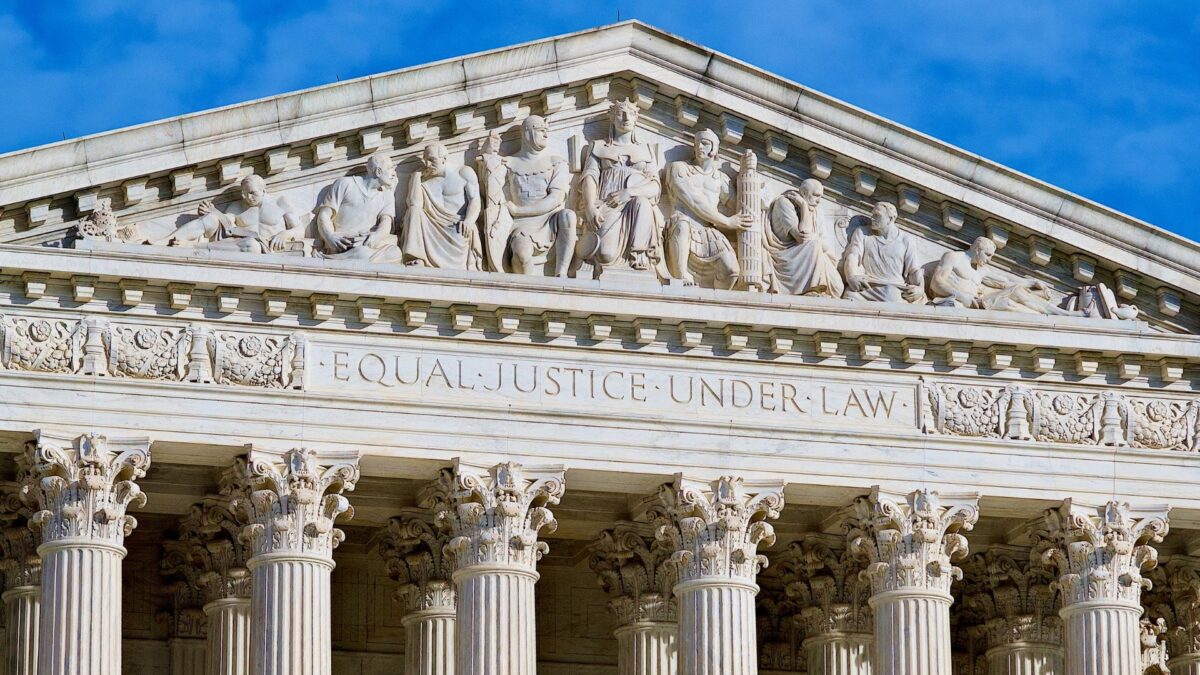
“These are not the people I interviewed to serve on the United States Supreme Court, they are merely a shell of their original selves,” Trump wrote.
The president’s latest comments brought together his objections to several major rulings involving citizenship, tariffs, and election procedures. They also made clear that his disappointment applies to every Supreme Court justice he appointed during his first term.
Trump’s criticism centered on the decisions those justices made after receiving lifetime positions on the court. While conceding that they sometimes vote for him, he said their opposing votes have come too often and, in his view, produced serious consequences for the country.
The opinions expressed by contributors and/or content partners are their own and do not necessarily reflect the views of Objectivist. Contact us for guidelines on submitting your own commentary.
Share your opinion
COMMENT POLICY: We have no tolerance for comments containing violence, racism, vulgarity, hard-core profanity, all caps, or discourteous behavior. Thank you for partnering with us to maintain a courteous and useful public environment!