American forces didn’t mince words or fire this weekend as they struck back at Iran’s latest aggression.
According to U.S. Central Command, the War Department’s precision strikes pounded Iranian command-and-control sites and radar installations following Tehran’s reckless shootdown of a U.S. MQ-1 drone operating legally over international waters.
U.S. fighter jets destroyed multiple Iranian air defense assets, a ground control station, and two suicide drones attempting to disrupt commercial and military traffic in international sea lanes.
In typical fashion, Iran thought it could poke the United States with impunity.
Trump's Sovereign Wealth Fund: What Could It Mean For Your Money?
It quickly learned that President Trump’s military does not tolerate direct threats to American forces or allies.
CENTCOM described the response as “measured and deliberate,” language that underscores both the restraint and the readiness of U.S. forces.
While no American lives were lost, the strikes sent a clear signal: the War Department will not stand idle as Iran escalates.
The problem for the Islamic Republic is that every time it tests the Trump administration’s resolve, it exposes its own vulnerabilities.
FREE Gun Law Map: Laws Don't Pause During Social Unrest
The United States has the best-trained military on Earth, commanded under a War Secretary, Pete Hegseth, who believes in peace through overwhelming strength. And once again, that doctrine worked precisely as intended.
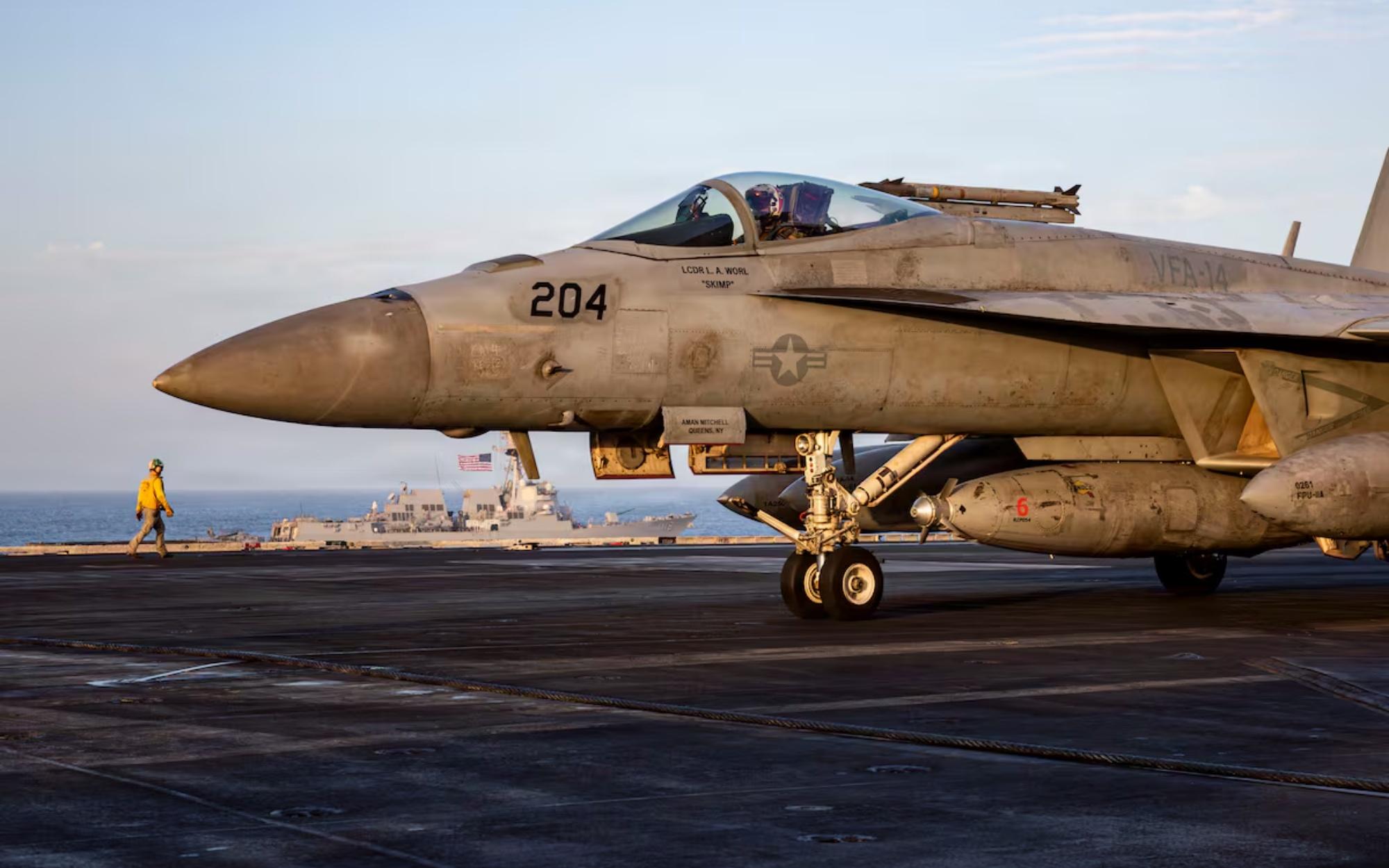
CENTCOM confirmed that even amid heightened military activity, the ceasefire that began April 12 remains technically in effect.
Yet everyone knows this so-called “ceasefire” is hanging by a thread thin enough to slice paper. Iranian militias and naval units continue testing limits in the Gulf, hoping American patience will falter. It won’t.
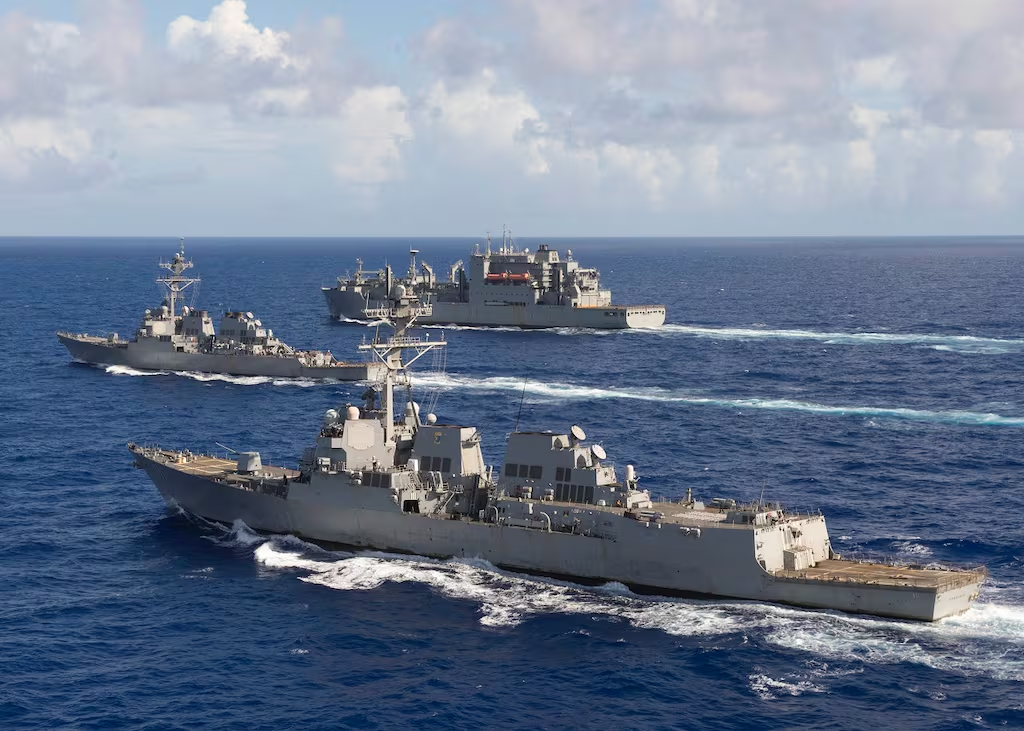
On May 25, U.S. forces carried out additional strikes on Iranian missile launch sites and boats actively laying naval mines.
Those aggressive Iranian operations directly threatened international shipping lanes and put countless lives at risk. Washington’s answer was swift and surgical—American hardware neutralized those hostile positions before they could cause greater harm.
Then, just as tensions seemed to cool, Tehran tried again. On Sunday evening, Iran launched two ballistic missiles aimed toward U.S. forces stationed in Kuwait.
The attack accomplished little besides proving that Trump’s military deterrence strategy is still needed.
Both missiles were intercepted midflight, an achievement demonstrating American technological superiority and constant readiness.
While military commanders handle operations on the ground, the Trump administration continues diplomatic maneuvering at the highest level. Reports suggest Washington and Tehran have been engaged in overtures about a potential deal that could end the Iran war.
But in a classic Trump move, the president reportedly modified the deal terms to force Tehran into accountability—a step critics say could finally bring real results after decades of failed “talks.”
MORE NEWS: RFK Jr. Drops the Hammer: $90M+ Medicaid Autism Fraud Ring Busted in Liberal Minnesota [WATCH]
The proposed resolution would not only wind down hostilities but also ensure Israel’s right to defend itself is not undercut. Iran would have to lift its blockade of the Strait of Hormuz, reopening one of the world’s most strategic waterways.
For years, Iranian forces have used that strait as leverage against global trade and American influence. That leverage may soon be gone.
The pattern is as predictable as ever: Iran provokes, the U.S. retaliates, and the world watches to see if the regime can take a hint.
Each strike reminds the mullahs in Tehran that they’re not dealing with the indecisive bureaucracy of the Obama years—they’re up against the no-nonsense leadership of President Trump and War Secretary Hegseth, who put results before rhetoric.
As always, American forces remain focused on mission success, safety of personnel, and deterrence of future attacks. This is not nation-building or appeasement; it’s strategic dominance.
It’s the reassertion of what the War Department was meant to do: protect American lives and interests anywhere on the map.
Iran’s repeated provocations only prove how effective U.S. force projection truly is. Their desperation to disrupt stability in the Gulf region is a sign of weakness, not strength.
Every missile they launch and every drone they lose chips away at their shrinking power base and emboldens their internal opposition.
MORE NEWS: More College Football Is Fine, but Stretching the Playoff to January 25 Is Completely Ridiculous
For now, the United States stands ready, steady, and fully capable of defending every inch of international waters, airspace, and land where our forces operate.
Iran, take note: when you fire at America, you will get hit back harder—and faster—every single time.
The opinions expressed by contributors and/or content partners are their own and do not necessarily reflect the views of Objectivist. Contact us for guidelines on submitting your own commentary.
Share your opinion
COMMENT POLICY: We have no tolerance for comments containing violence, racism, vulgarity, hard-core profanity, all caps, or discourteous behavior. Thank you for partnering with us to maintain a courteous and useful public environment!