The U.S. Coast Guard struck a massive blow against the cartels this week, seizing more than 225,000 pounds of cocaine in the eastern Pacific through Operation Pacific Viper.
The effort marks a decisive win in President Trump’s aggressive counternarcotics campaign, proving that America’s warfighters on the water are keeping the poison off U.S. streets and out of American veins.
According to the Coast Guard, the cutter Bear alone snatched up 7,707 pounds of cocaine over the weekend, pushing the total tally under Operation Pacific Viper to nearly a quarter-million pounds.
The operation began in August 2025 and has kept relentless pressure on the narco-smugglers operating through the maritime corridors of Central America.
Trump's Sovereign Wealth Fund: What Could It Mean For Your Money?
Adm. Kevin Lunday, the commandant of the Coast Guard, praised the mission’s success.
“Our forces conducting Operation Pacific Viper continue to defeat the cartels and stop the flow of deadly drugs to the United States,” he said. It’s not an overstatement.
Each pound taken represents thousands of lives potentially saved from overdose and addiction, and each bust tells hostile traffickers that America’s resolve isn’t going anywhere.
FREE Gun Law Map: Laws Don't Pause During Social Unrest
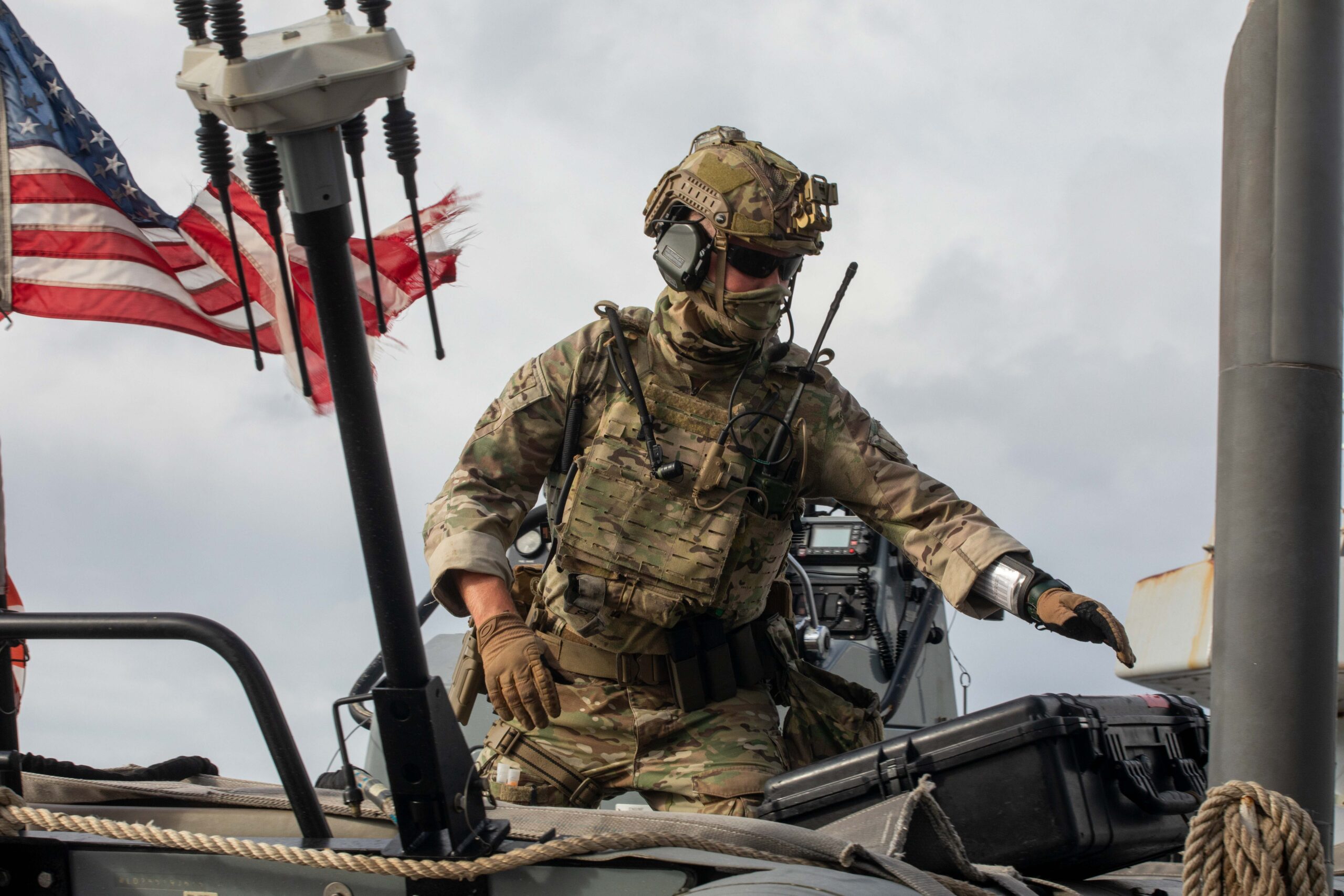
During the operation, the Bear and its embarked helicopter crew disabled two drug-smuggling vessels, seized several thousand pounds of cocaine, and apprehended six suspected narco-terrorists.
The precision and coordination required to pull off such actions show a level of discipline and skill that rivals any military operation conducted on foreign soil.
Officials also emphasized just how lethal this cargo could have been. The Coast Guard estimates that just 1.2 grams of cocaine can prove fatal.
That means the 225,000 pounds captured equates to about 93 million potentially deadly doses. That’s 93 million reasons why aggressive maritime enforcement must continue to ramp up under a no-nonsense American administration.

The Trump administration has been unapologetic about taking the gloves off when it comes to fighting drug cartels. Critics have sniffed at what they call “controversial tactics,” but the results speak for themselves.
Cocaine isn’t reaching American cities, overdose rates are slowing, and the traffickers have been pushed back into hiding. That’s not controversy—that’s success.
In coordination with the War Department, the administration launched targeted strikes last fall against vessels suspected of carrying narcotics in both the Caribbean and eastern Pacific.
These operations, often conducted far from public view, form part of a new counter-narcoterrorism front designed to choke off the cartels’ infrastructure at sea before it reaches U.S. borders.
The Pentagon, standing firmly behind President Trump’s directive, has labeled these missions as “counternarcotics efforts” within a “non-international armed conflict.”
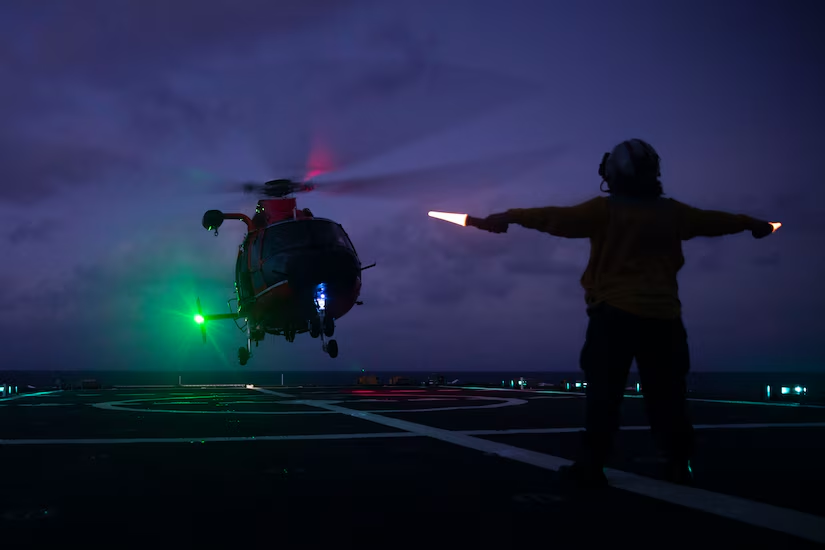
A service member directs an MH-65E Dolphin helicopter during routine nighttime flight operations aboard the Coast Guard cutter Munro in the South China Sea, Aug. 23, 2023. The Munro is deployed to the Indo-Pacific to advance relationships with ally and partner nations.
While predictably, left-wing legal scholars and certain media voices have tried to accuse the military of overreach or even “war crimes,” the facts remain clear: U.S. forces are dismantling the operational capacity of drug-running enemies who profit off American death.
MORE NEWS: Elf Actor Faizon Love Appears Blank-Faced in During His Mugshot After Florida Arrest [WATCH]
Since September 2025, the War Department has reported 64 precision strikes in the Caribbean and eastern Pacific.
Those engagements have eliminated at least 191 cartel-affiliated criminals and destroyed dozens of smuggling craft before they could spread their poison. The cartels may not wear official uniforms, but they pose just as great a threat to American security as any foreign terrorist cell.
Coast Guard operations like Pacific Viper highlight the increasingly military nature of America’s counternarcotics fight. These aren’t routine arrests of fishing boats gone rogue. These are heavily armed, cartel-backed vessels running interdiction-countermeasures, communications encryption, and sometimes even foreign-sourced weaponry.
The Coast Guard’s men and women are literally waging low-intensity warfare against criminal networks that cross borders and bribe nations.
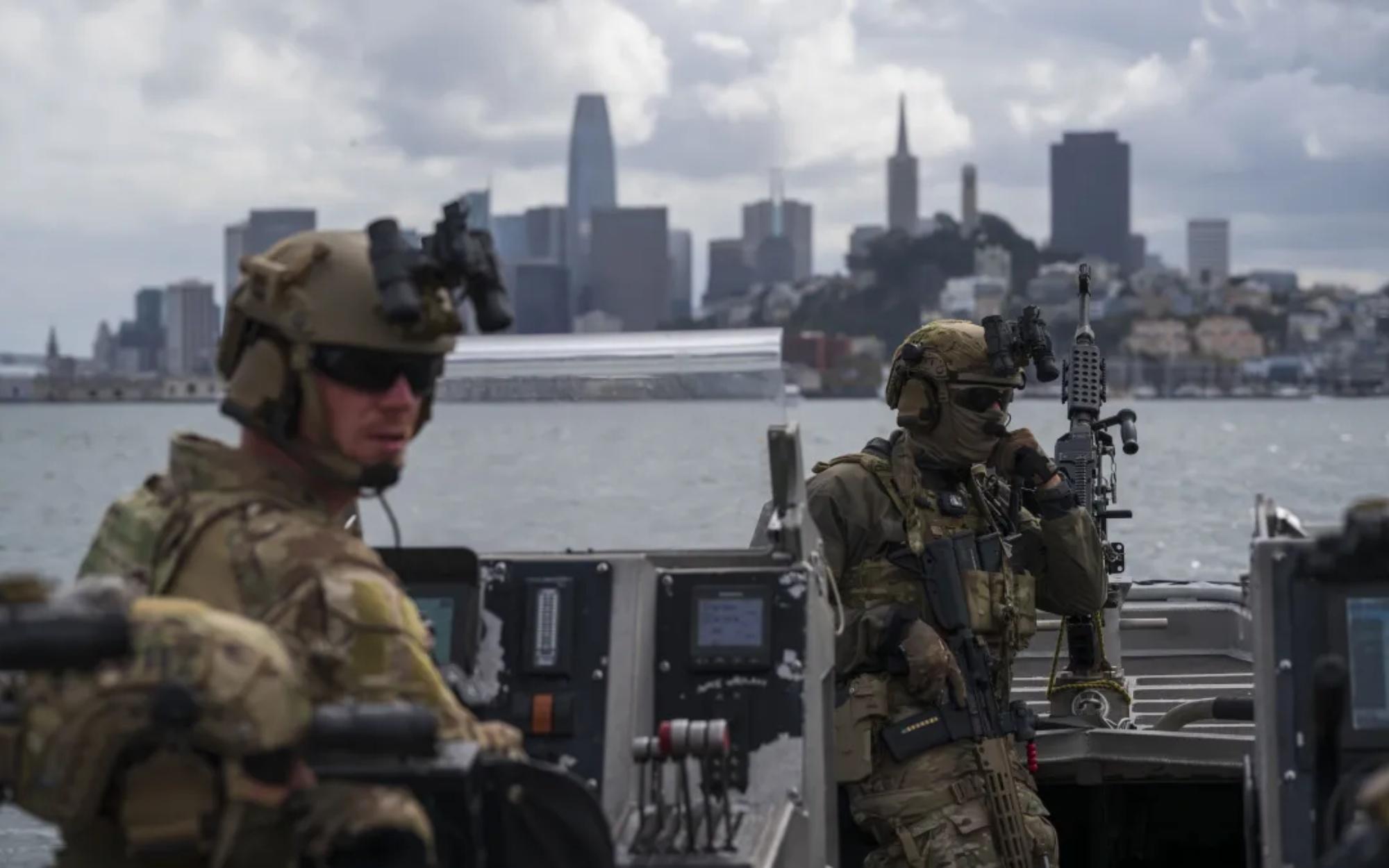
With leadership like Adm. Lunday at the helm and War Secretary Pete Hegseth reinforcing the naval and air missions, the United States is projecting power where it counts most—on the sea lanes that cartels once believed they controlled. Every ton of cocaine seized is strategic leverage gained, and every trafficker caught scrambles the narco-economy.
While political opportunists in Washington will always nitpick tactics or question legality, anyone paying attention to the numbers knows the truth. Operation Pacific Viper is working.
The cartels are reeling, America’s maritime border is stronger, and the bad guys are either locked up or at the bottom of the ocean. To every sailor and airman involved, the message from America’s heartland is clear: job well done, now keep going until the cartels run out of boats.
The opinions expressed by contributors and/or content partners are their own and do not necessarily reflect the views of Objectivist. Contact us for guidelines on submitting your own commentary.
Share your opinion
COMMENT POLICY: We have no tolerance for comments containing violence, racism, vulgarity, hard-core profanity, all caps, or discourteous behavior. Thank you for partnering with us to maintain a courteous and useful public environment!