The United States military is taking decisive action in the Persian Gulf, enforcing a full maritime blockade on Iran to tighten pressure on Tehran’s radical regime and cripple its oil export operations.
The Navy-led Joint Maritime Information Center announced Monday that the blockade will go live at 4 p.m. Eastern Time on July 14, marking a serious escalation in America’s effort to curtail Iran’s ability to fund regional terrorism and nuclear ambitions.
According to the statement, the blockade will blanket all of Iran’s ports, coastal waters, and oil terminals. Every vessel, no matter what flag it sails under, will be subject to interception and inspection. This move sends a message that cheating the blockade isn’t just risky — it’s potentially suicidal.
The advisory made clear that any vessel attempting unauthorized entry or exit through the blockaded zone will face interception, diversion, and possible capture.
Trump's Sovereign Wealth Fund: What Could It Mean For Your Money?
MORE NEWS: Jack Smith’s Damning Dragnet Seized Nearly 5,000 Trump Donor Checks and Journalist Communications
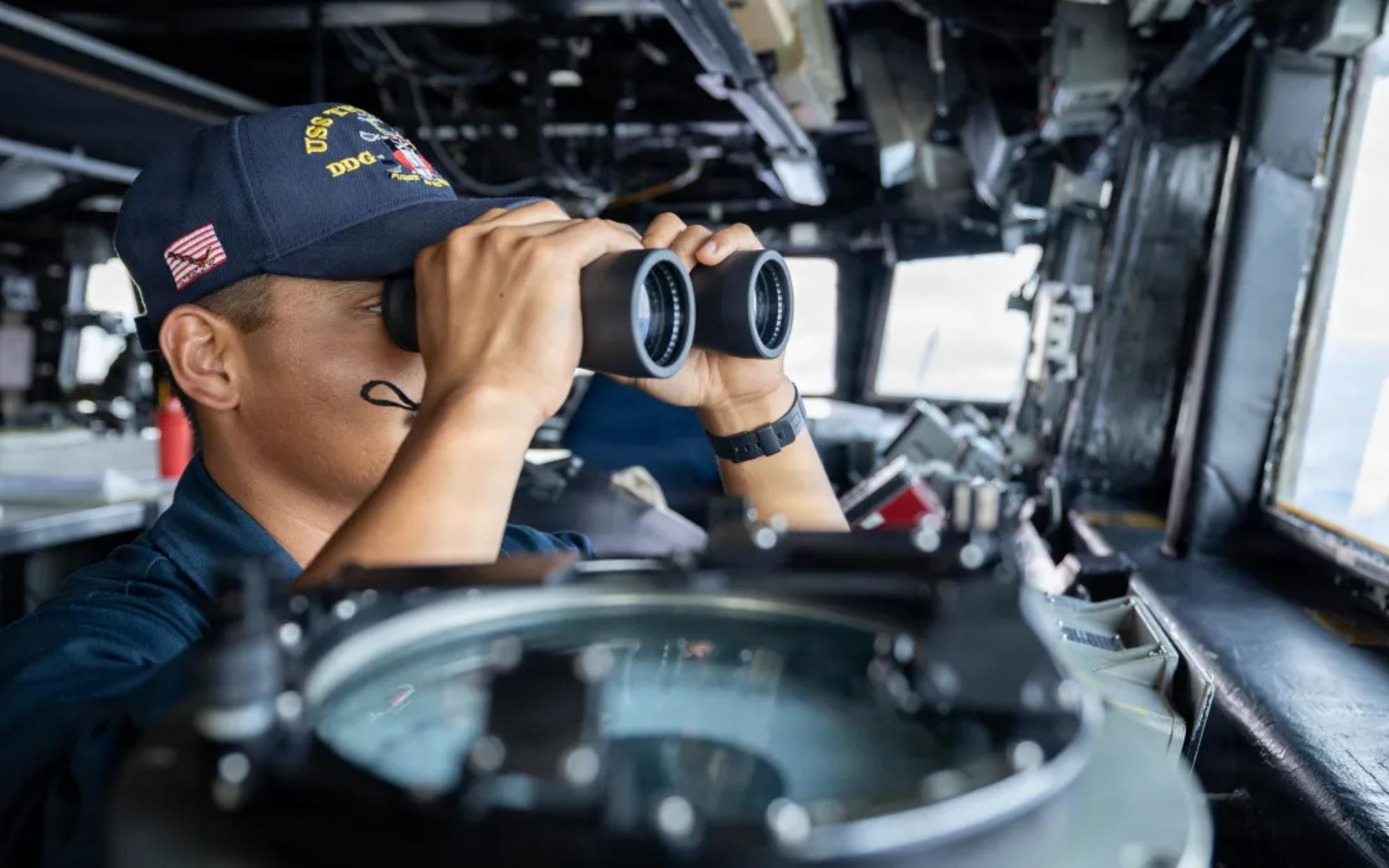
The language is stark: "Non-compliant vessels may be legally compelled with force." In other words, the gloves are off. This isn’t diplomatic theater — it’s a full-scale enforcement operation.
At the same time, the Navy assured that neutral vessels navigating the Strait of Hormuz on routes not bound for Iran will be unhindered.
That carve-out reinforces that the blockade is targeted, lawful, and directly aimed at Iran's military and economic machinery — not at the global shipping community.
FREE Gun Law Map: Laws Don't Pause During Social Unrest
The decision to implement this blockade marks one of the most serious maritime enforcement efforts since the Cold War era.
It comes after months of Iranian provocations, including harassment of commercial vessels, arms smuggling, and continued support for terrorist proxies across the Middle East. Washington’s message is unmistakable: the days of Tehran acting with impunity on the high seas are over.
Iran has long relied on oil revenues to prop up its regime and fund militia networks stretching from Lebanon to Yemen.
By choking off maritime export routes, the United States is striking right at the regime’s wallet. This approach lines up with America’s renewed national security strategy under President Trump’s leadership, which prioritizes deterrence through strength and sea power.
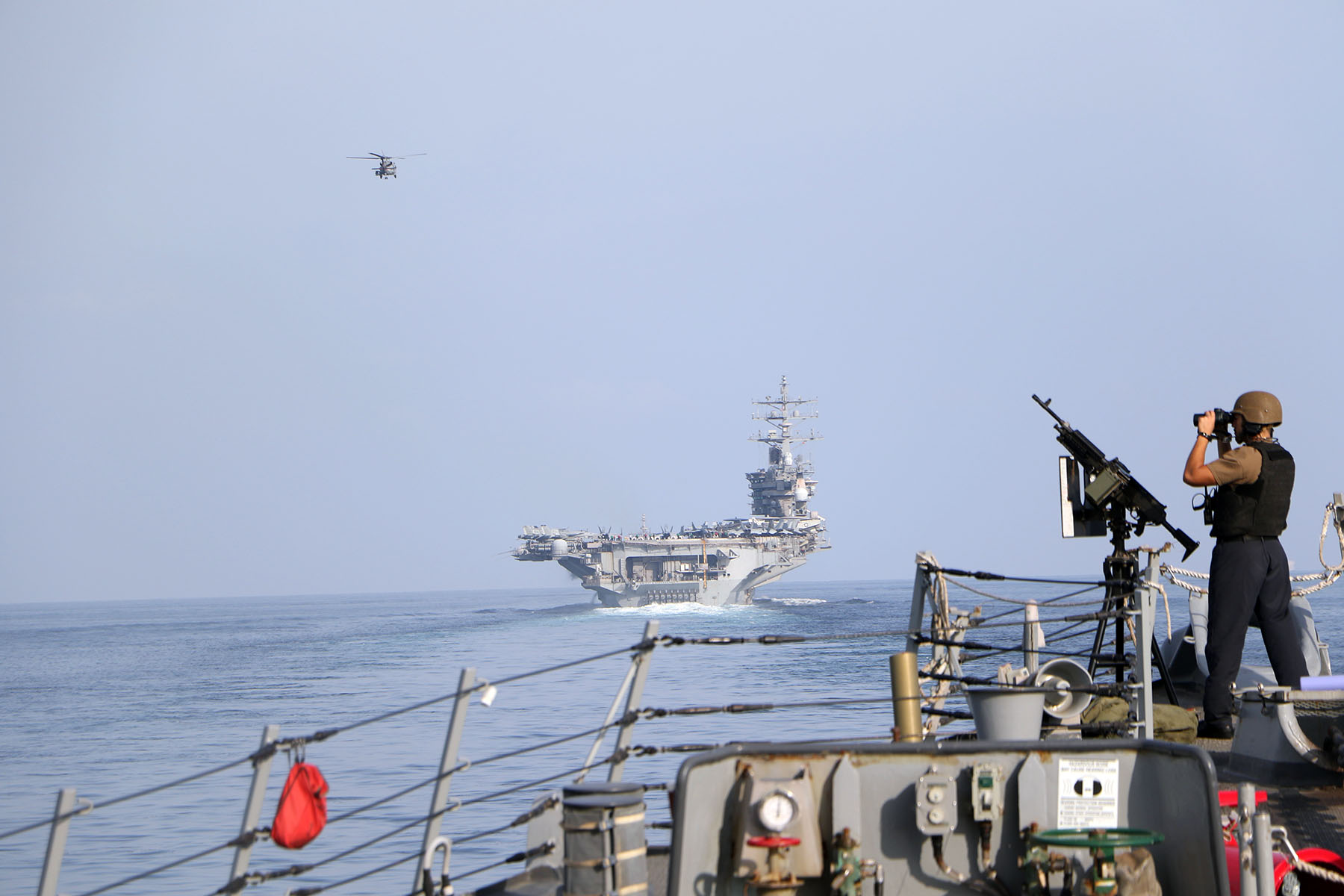
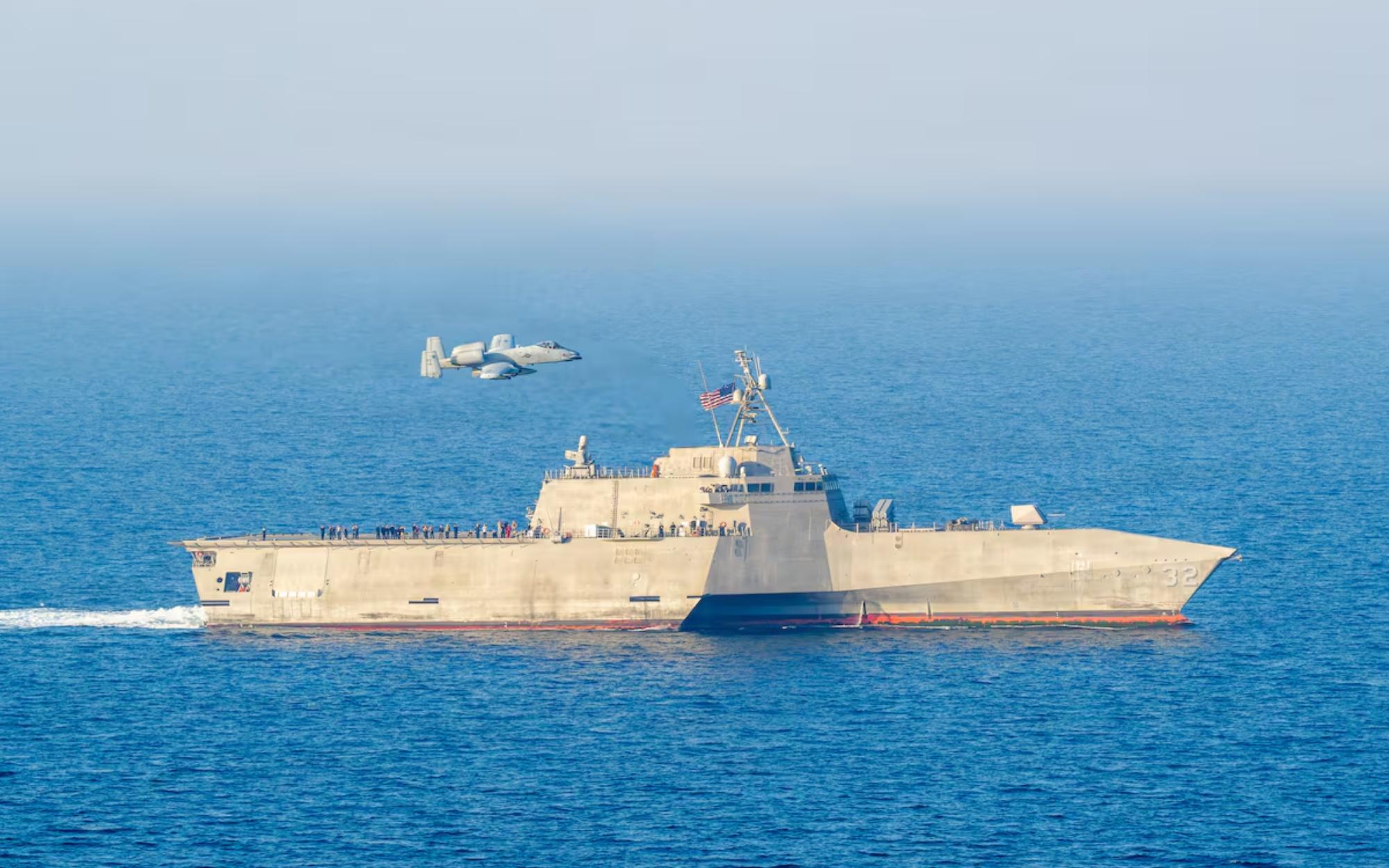
Navy commanders and War Department officials have indicated that the enforcement operation will involve a multi-nation coalition under U.S. lead — though make no mistake, this is an American show of force. U.S. carrier strike groups and allied naval assets are expected to take up patrol positions along key approaches to Iranian ports, ready to intercept any vessel testing the boundary.
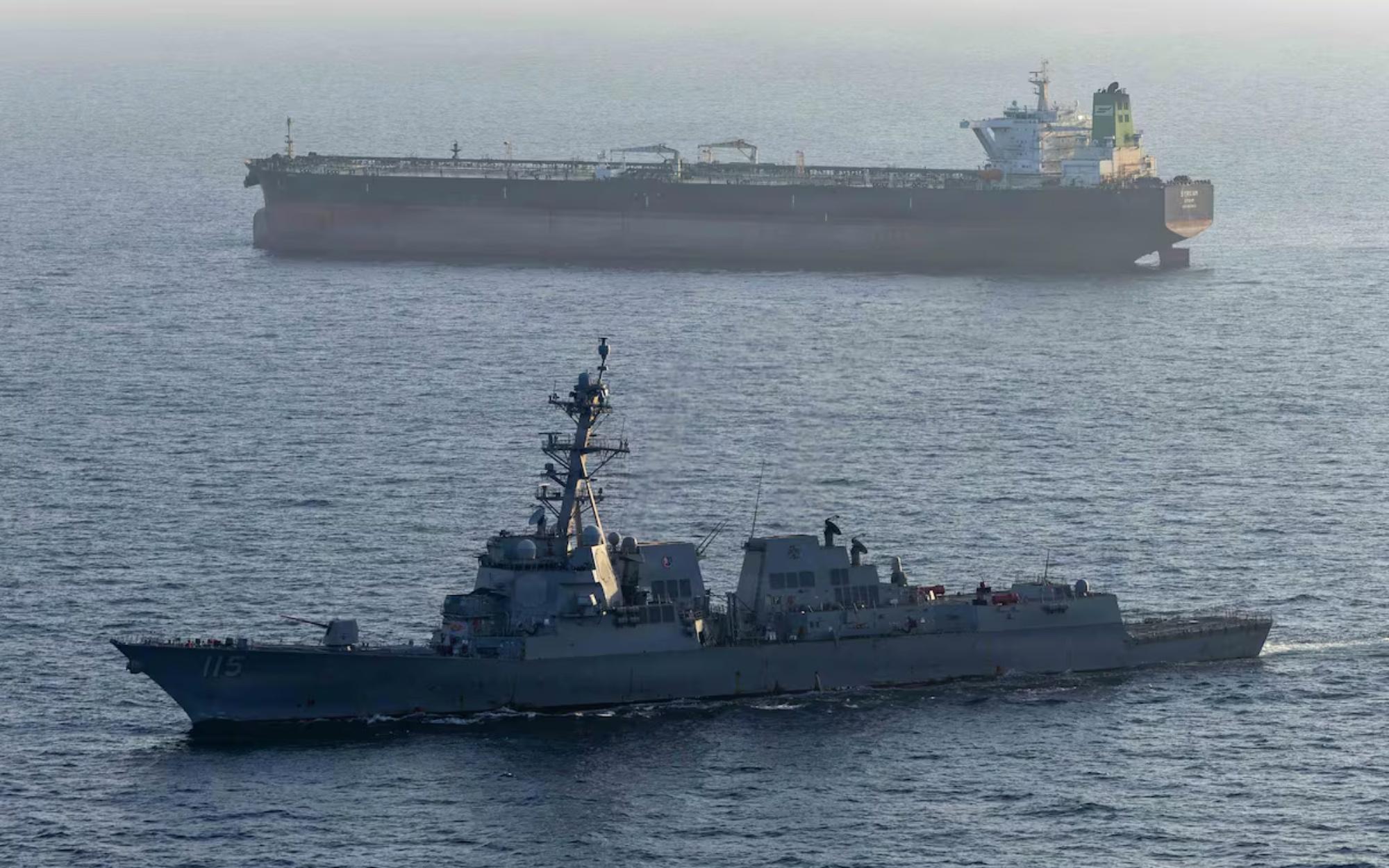
It’s no secret that Iran has built its economic resilience by running oil shipments under false flags and using shadow fleets of tankers that obscure their origins.
Those tricks may have worked with a weak White House, but not this one. With today’s surveillance capabilities, real-time data sharing, and satellite tracking, every move Iran makes on the water can be monitored.
For Iran’s ruling clerics, this blockade is more than an inconvenience — it’s a direct threat to their regime’s economic survival.
Previous sanctions targeted individuals and banks; this measure goes after the very flow of their national lifeblood: oil. Losing maritime access means losing revenue, influence, and the strategic leverage that oil power buys on the world stage.
Critics from the usual quarters will scream “escalation,” but the truth is, Iran is responsible for years of maritime aggression.
Disabling mines in Gulf waters, attacking tankers, and detaining international ships are not acts of peace. The U.S. Navy stepping up to secure freedom of navigation and block unlawful trade isn’t aggression — it’s necessary leadership.
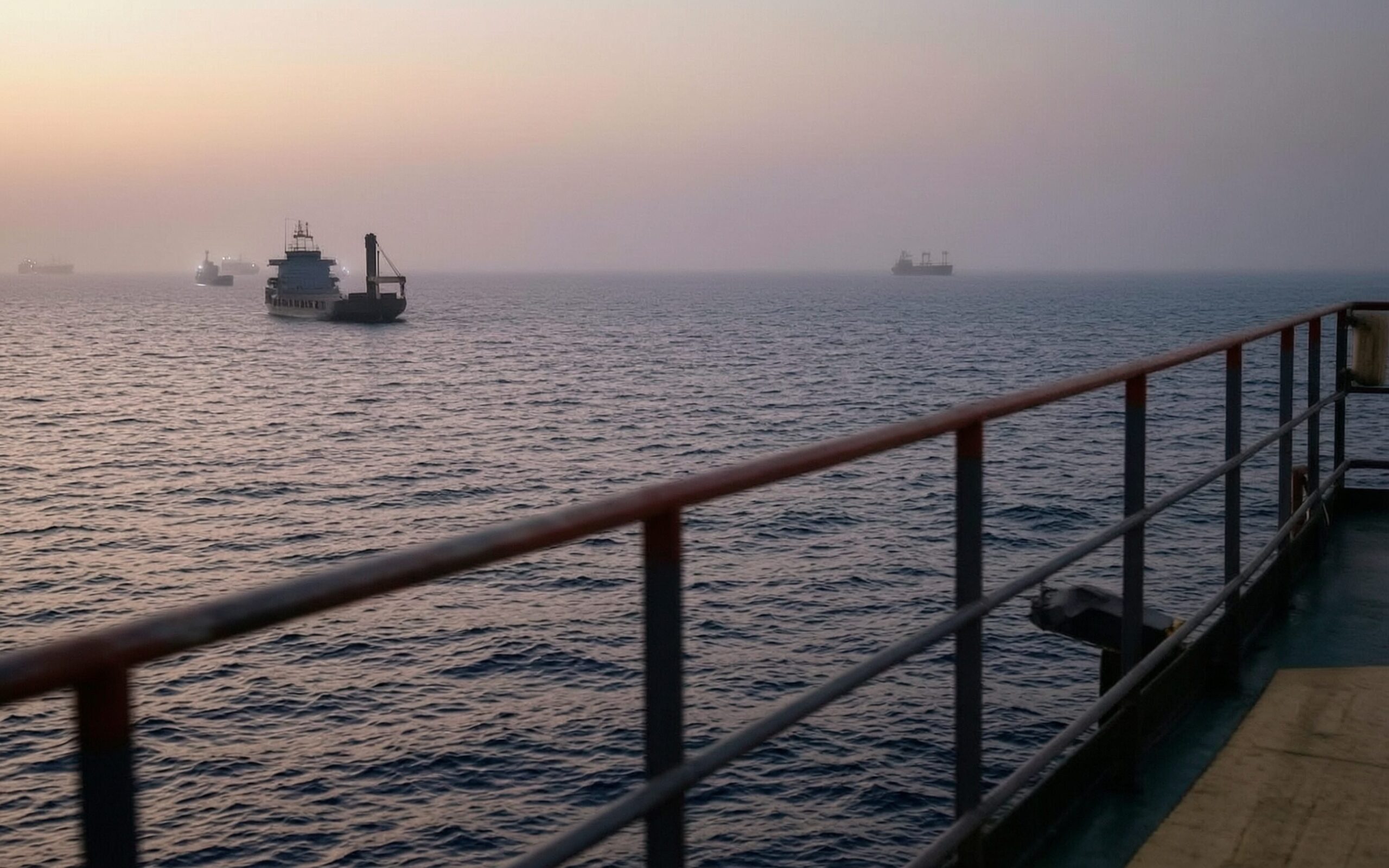
War analysts believe the blockade could also set the stage for broader diplomatic leverage.
Once the regime feels the pressure where it hurts most — in the oil market — Washington and allied capitals will have a much stronger hand at any negotiation table. Tehran’s bluster, fueled by oil dollars, often evaporates when the cash runs dry.
As of Tuesday, American sailors and airmen will be enforcing a maritime net that no smuggler or rogue captain can slip through.
It’s a defining moment for the War Department and the Navy — a chance to demonstrate that U.S. global sea power is not some relic of the past but the tip of the spear for national security in an unstable world.
The opinions expressed by contributors and/or content partners are their own and do not necessarily reflect the views of Objectivist. Contact us for guidelines on submitting your own commentary.
Share your opinion
COMMENT POLICY: We have no tolerance for comments containing violence, racism, vulgarity, hard-core profanity, all caps, or discourteous behavior. Thank you for partnering with us to maintain a courteous and useful public environment!