WHAT YOU NEED TO KNOW
- Four Chinese research vessels have operated offshore in the U.S. Arctic during 2026, compared with five during all of 2025.
- The vessels traveled near Alaska, through the Bering Strait and as far north as the North Pole.
- Rear Adm. Bob Little cited concerns involving seabed mineral research and activity that could provide China with a military advantage.
- The ships remained in international waters but did not provide advance diplomatic notification to the United States.
The United States is monitoring China’s presence in the American Arctic “very closely” amid concerns about the security of the U.S. homeland, according to Rear Adm. Bob Little, commander of the U.S. Coast Guard’s Arctic District.
Four Chinese research vessels have conducted work offshore in the U.S. Arctic so far in 2026, Little told Reuters.
That figure approaches the five Chinese vessels that conducted work there during all of 2025.
The ships operated in maritime zones off Alaska, including around the Aleutian Islands.
Trump's Sovereign Wealth Fund: What Could It Mean For Your Money?
Their routes also took them into the Bering Strait and as far north as the North Pole, according to Little.
Little discussed the Chinese vessel activity while visiting Oslo for a conference focused on Arctic security.
His district places him directly in the middle of growing scrutiny surrounding foreign activity near U.S. territory.
“Where I have responsibility, interest and concern is when they are operating in and around U.S. sovereign space,” said Little.
FREE Gun Law Map: Laws Don't Pause During Social Unrest
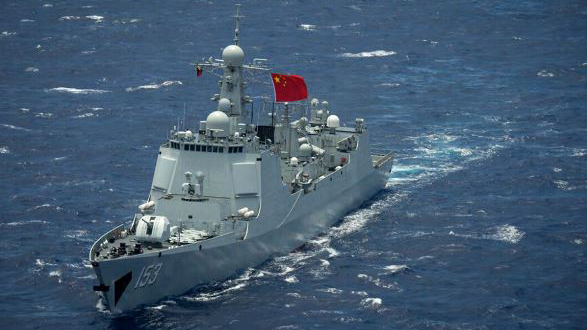
He specifically pointed to operations inside U.S. exclusive economic zones and over the extended continental shelf.
Those areas are central to the security concerns he described regarding the Chinese research missions.
“So inside of our exclusive economic zones, or over our extended continental shelf, we certainly have a security concern.
And so those are the types of activities that we see that we’re watching very closely.”
The Chinese ships remained in international waters during the operations, according to Little.

However, they did not notify the United States about their presence beforehand through diplomatic channels, which he said would be the usual practice.
U.S. officials have challenged the vessels and questioned their crews about the purpose of the operations.
Little said the answers typically point to international waters or scientific research as the explanation for their presence.
“When we challenge them and query them as to the purpose of their activities, their response typically is either ‘we are conducting operations in international waters’ or ‘we are conducting scientific research,’” he said.
Little described two distinct concerns surrounding the Chinese activity. The first is that China could be conducting scientific research connected to mineral exploitation of the seabed in an area belonging to the United States.
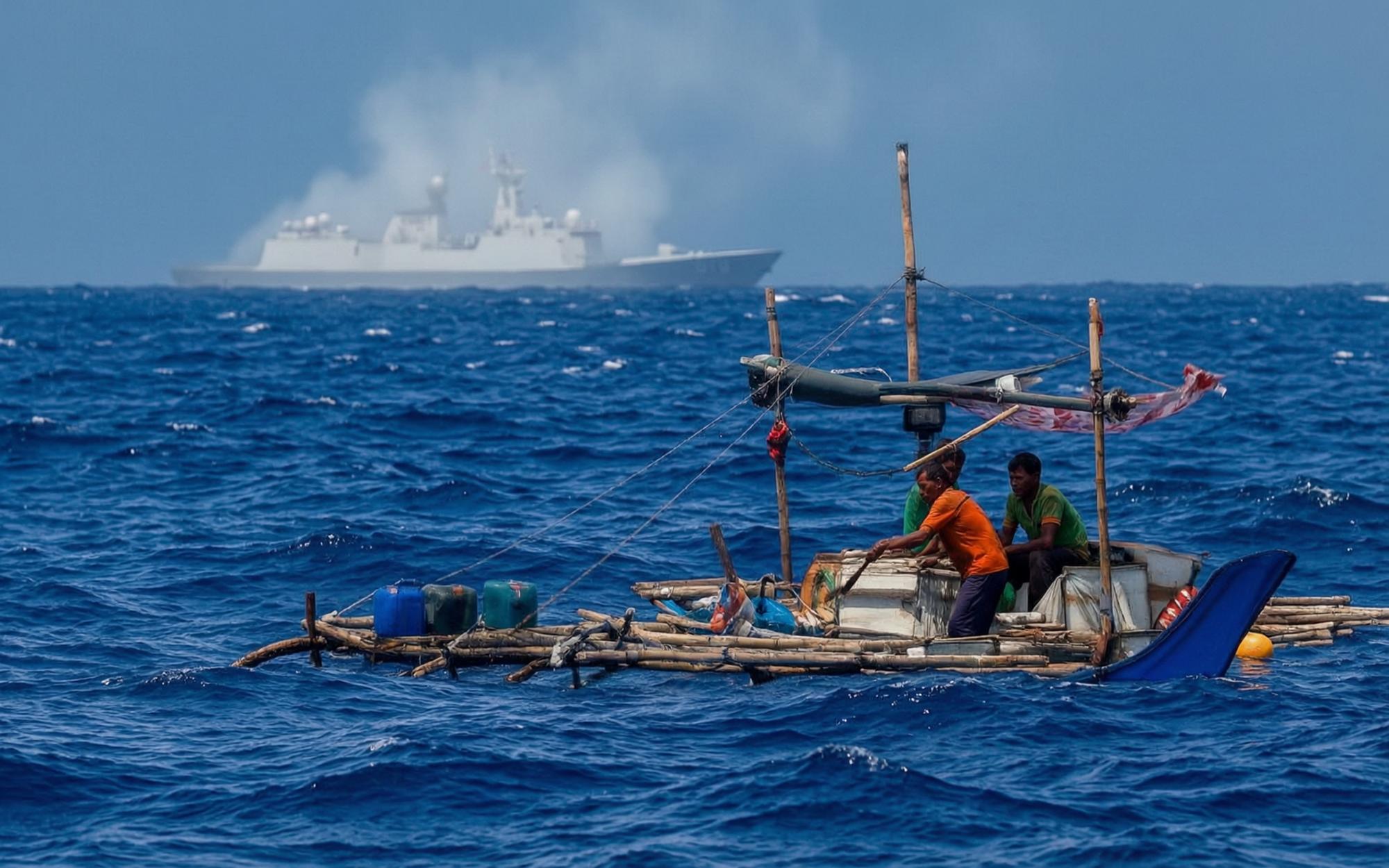
The second concern centers on the potential security value of the vessels’ work. Little said their activity might “provide [the Chinese] with a military advantage or pose a security threat to the United States.”
Little’s area of operations is nearly as vast as Europe, placing a broad stretch of the Arctic under his watch. The size of that responsibility adds to the challenge of monitoring Chinese ships moving across distant maritime zones.
China calls itself a “near-Arctic” state and wants to establish what it describes as a “Polar Silk Road” in the region.
It has increased its polar presence in recent years through operations conducted both independently and alongside Russia.
During his Norway visit, Little spoke with international colleagues about how they were handling similar activity involving Russian research vessels.
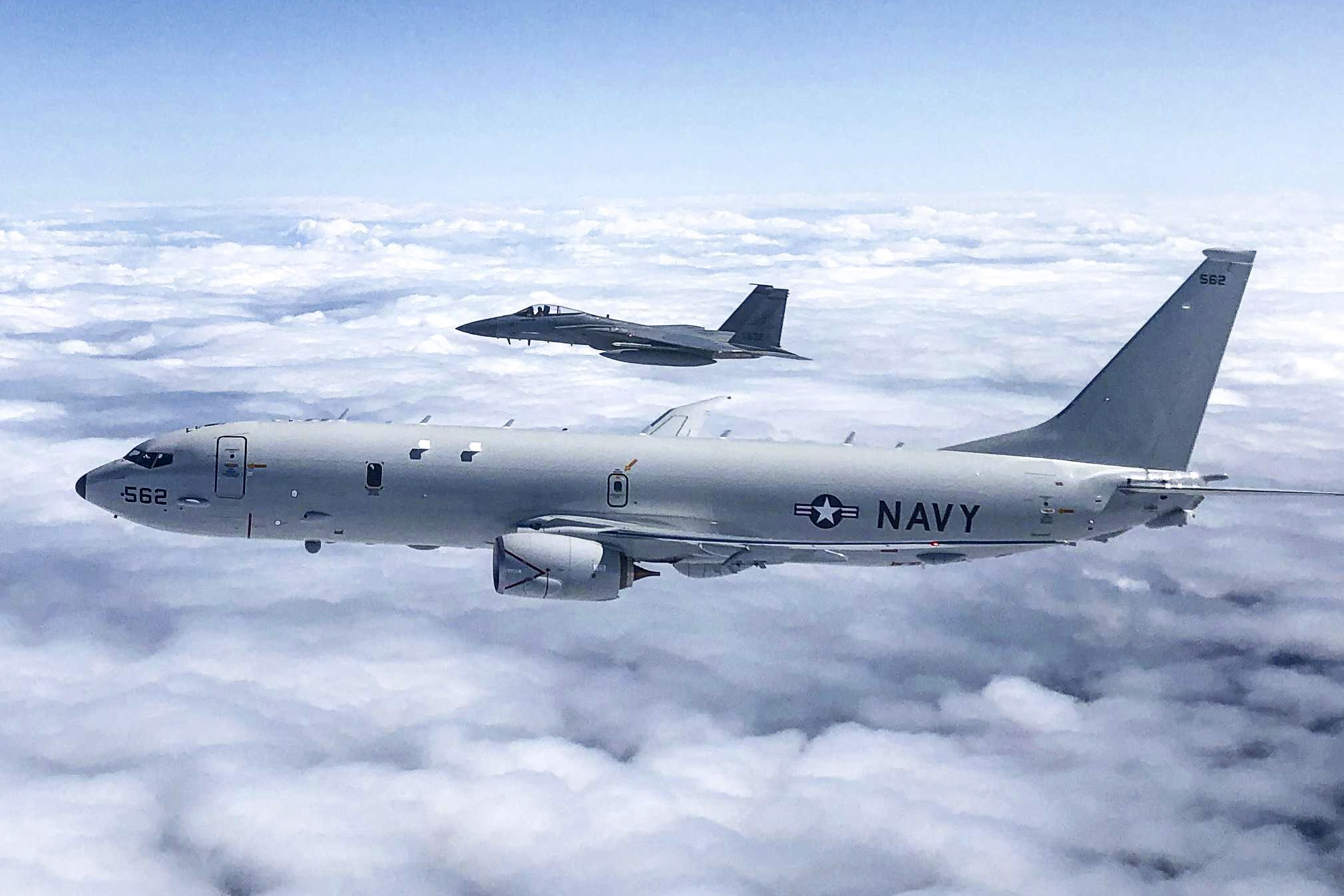
Those discussions extended the focus beyond waters near Alaska to other strategically sensitive northern areas.
“Whether it’s the Barents (Sea) or the Baltic (Sea), it’s easy to find examples of hybrid threats and activities,” he said.
Little said he continues to watch those activities carefully because Russia is the same nation bordering his area on the Arctic’s western side.
“So I certainly watch that very carefully, because it’s the same nation-state that’s my neighbor on the western side of the Arctic,” he said, referring to Russia.
Moscow denies that its research vessels conduct illegal activities. It also denies that the vessels pose any threat to U.S. interests as American officials continue monitoring foreign operations across the Arctic.
The opinions expressed by contributors and/or content partners are their own and do not necessarily reflect the views of Objectivist. Contact us for guidelines on submitting your own commentary.
Share your opinion
COMMENT POLICY: We have no tolerance for comments containing violence, racism, vulgarity, hard-core profanity, all caps, or discourteous behavior. Thank you for partnering with us to maintain a courteous and useful public environment!