WHAT YOU NEED TO KNOW
- The Army published a new guidebook to help NCOs manage barracks duties, emergencies, inspections and maintenance concerns.
- The handbook includes leadership checklists, practical scenarios and procedures for reporting mold through the Army Maintenance Application.
- Maintenance costs for barracks and other military buildings reached $285 billion, double the amount recorded five years earlier.
- Army officials said the guidebook went through more than 50 iterations and complements the existing Army Barracks Management Program.
The Army published a new guidebook Wednesday morning to help noncommissioned officers manage barracks duties, maintenance concerns and emergencies.
The publication lays out responsibilities for soldiers while offering practical management recommendations for NCOs overseeing living spaces.
The “NCO’s Barracks Guidebook” addresses matters ranging from cleanliness and routine maintenance to safety concerns. Its introduction makes clear that the document does not establish policy.
Instead, the guide describes itself as a “professional tool, a resource built to educate, clarify, and strengthen the NCO’s ability to lead.” Army officials said the publication collects practices already developed by formations across the service rather than introducing a new set of information.
Trump's Sovereign Wealth Fund: What Could It Mean For Your Money?
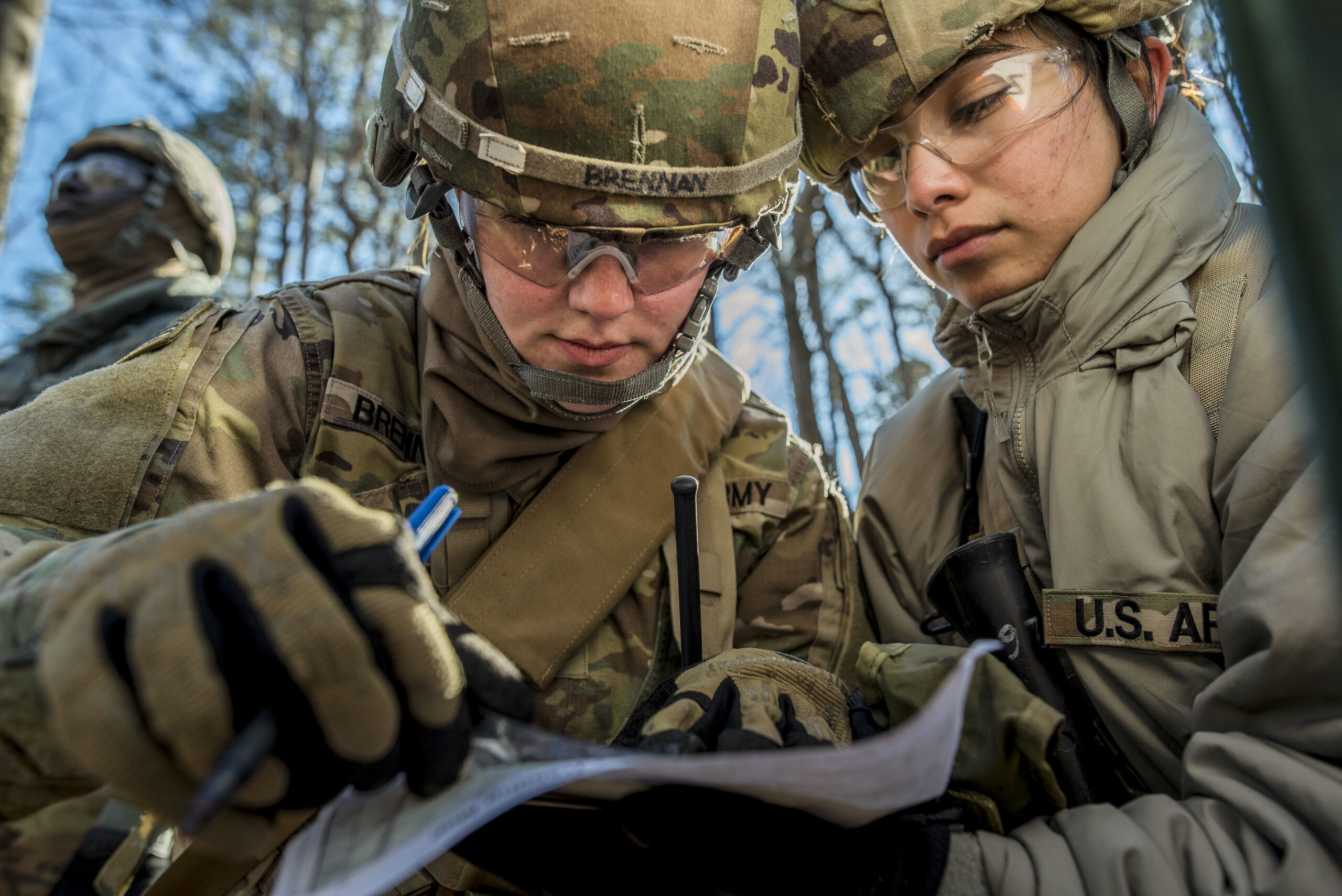
The guidebook includes task checklists for different levels of leadership. Squad leaders and section sergeants are expected to maintain a “daily presence” by walking through barracks areas to “deter issues and show engagement.”
Platoon sergeants are assigned a “PSG Huddle,” which calls for weekly meetings with squad leaders. Those meetings are intended to cover inspections, barracks concerns, work orders and supply requirements.
“Commanders are responsible for barracks welfare, discipline, and living conditions. NCOs enforce standards, maintain order, conduct inspections, ensure safety compliance, and train junior leaders,” the guide reads.
FREE Gun Law Map: Laws Don't Pause During Social Unrest
“Active engagement, rather than complaints, prevents issues that degrade morale and readiness.”
The 20 page handbook also presents scenarios that soldiers could encounter inside the barracks. Those vignettes include discovering contraband and preparing living spaces for a 30 day Joint Readiness Training Center rotation at Fort Polk, Louisiana.
Command Sgt. Maj. Nema Mobarakzadeh with Army Western Hemisphere Command told reporters that officers and noncommissioned officers at the battalion and company levels are “just really, really busy.” Without effective systems for managing responsibilities such as the barracks, repairs and other concerns can be overlooked.
“And unfortunately, sometimes that ends up being barracks or components of barracks management,” Mobarakzadeh said. “And so we set out to create something to help keep them on track and share some tried-and-true tricks and tips at their level to be more efficient and to help them create some of those systems and processes.”
Officials said the guidebook is designed to clarify duties so troops understand the proper chain of command for resolving problems. It also provides instructions for responding to common concerns, including the discovery of mold inside barracks.
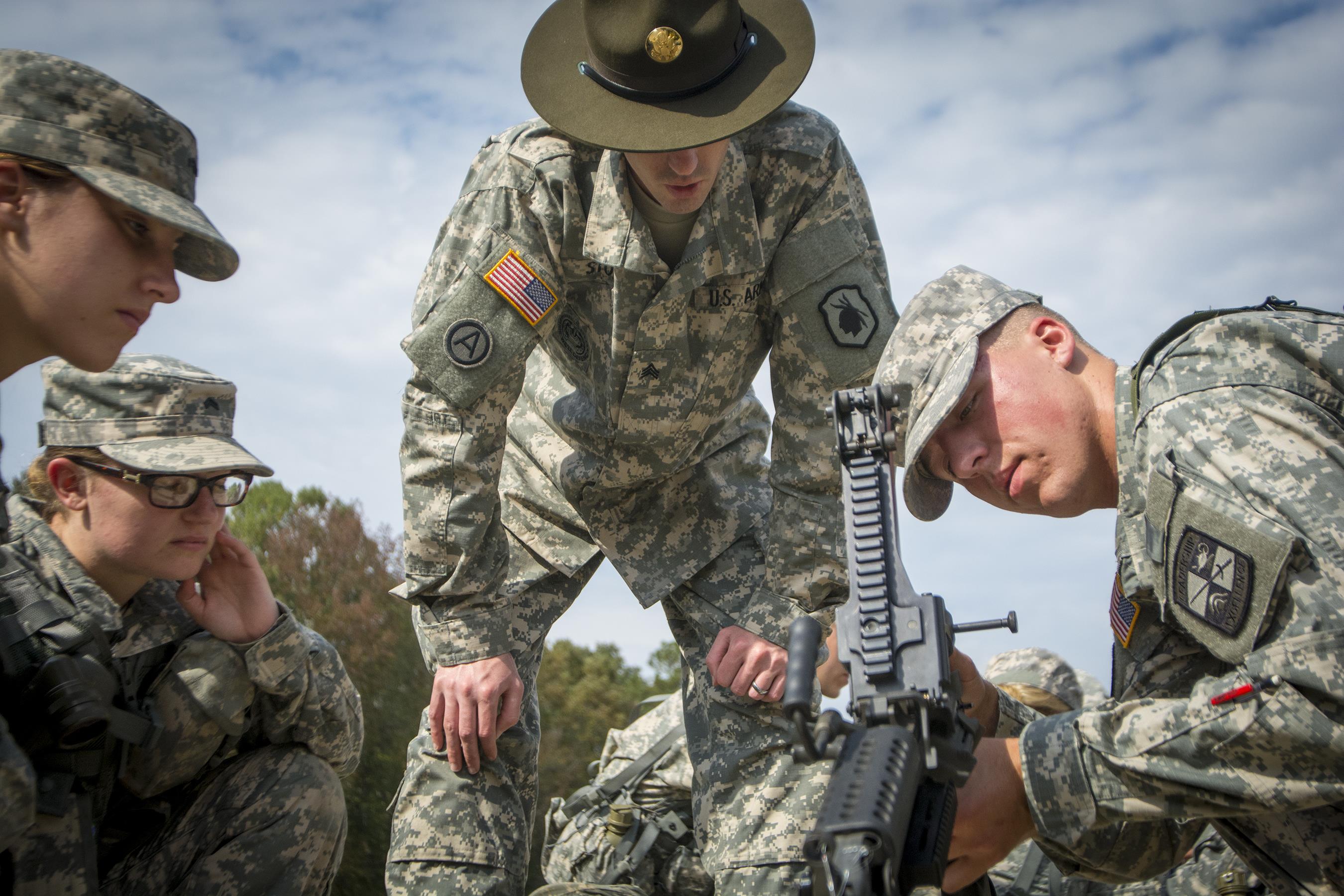
When mold is found, NCOs are directed to notify fire line leadership and the barracks manager immediately. Those officials must then contact the Directorate of Public Works through the Army Maintenance Application.
The guidebook is meant to complement the Army Barracks Management Program, which the service established several years ago, rather than replace it. The existing program handles buildings and inventory, while the new publication helps NCOs monitor quality of life concerns affecting soldiers.
The release follows a Government Accountability Office finding last month that maintenance costs for barracks and other military buildings had reached $285 billion. That amount was double the cost recorded five years earlier.
The watchdog also noted deferred maintenance, aging buildings and an insufficient number of maintenance workers to handle demand. Those findings highlight the scale of the management challenge confronting soldiers and leaders responsible for living facilities.
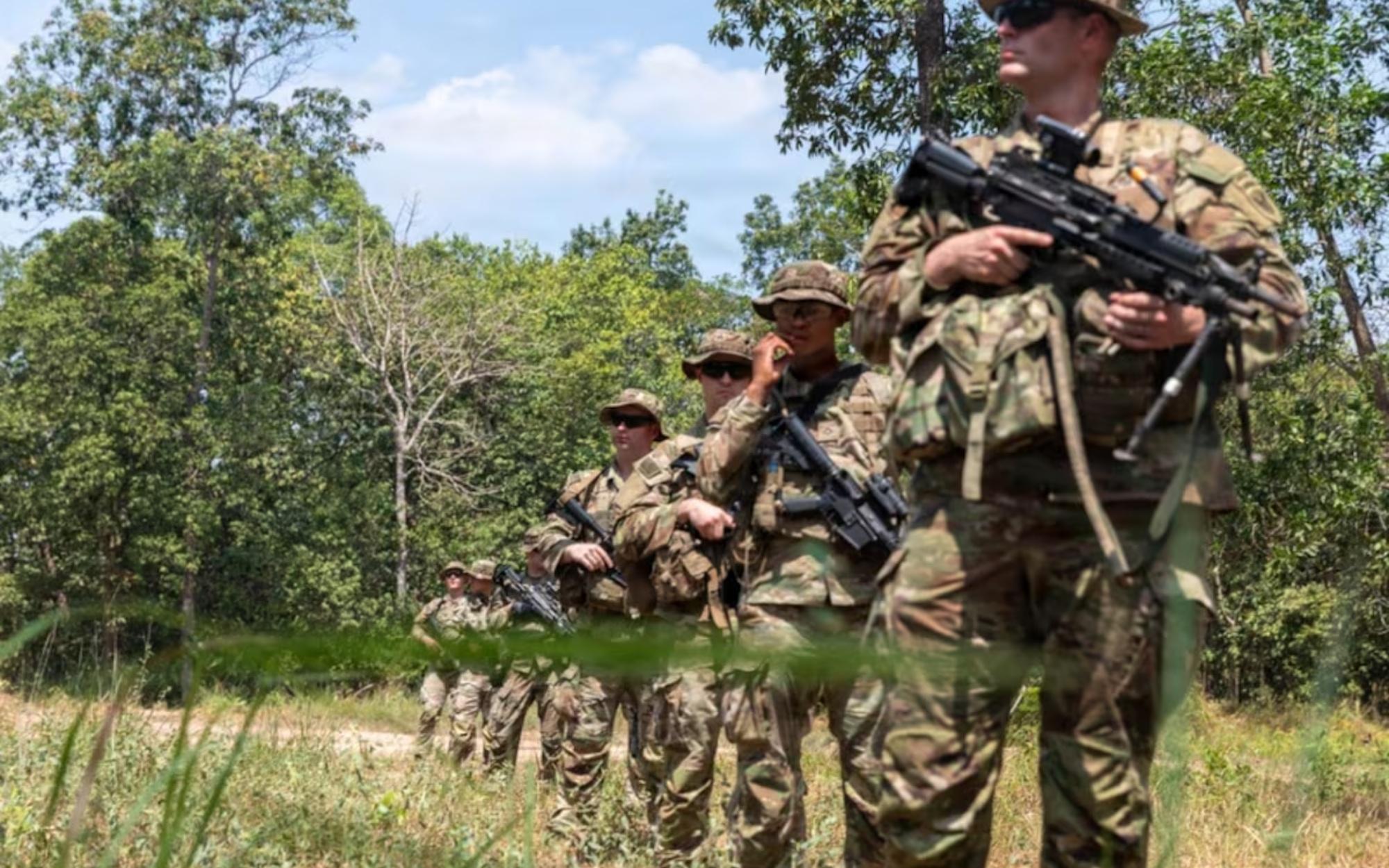
W. Jordan Gillis, the assistant secretary of the Army for installations, energy and environment, acknowledged that the guidance does not repair back end problems or increase Directorate of Public Works staffing. He said it could help soldiers more effectively submit and monitor work orders while creating greater accountability when problems remain unresolved.
MORE NEWS: Kari Lake Explains Why Deportations Aren’t Moving Fast Enough and How That’s Changing [WATCH]
Gillis said the process could help ensure “so a soldier doesn’t have to be frustrated and take that all upon themselves to track the work order.” The guidance focuses on giving soldiers and leaders a clearer process for following maintenance requests already submitted through Army systems.
The guidebook was developed during recent months, with formations in the western hemisphere providing feedback. Some soldiers also tested a pilot version before publication.
Army officials said the guide went through more than 50 iterations before its launch this week. Its release comes as the Department of War seeks to address longstanding barracks problems across the armed forces, including aging buildings, inadequate air conditioning and widespread mold.
The opinions expressed by contributors and/or content partners are their own and do not necessarily reflect the views of Objectivist. Contact us for guidelines on submitting your own commentary.
Share your opinion
COMMENT POLICY: We have no tolerance for comments containing violence, racism, vulgarity, hard-core profanity, all caps, or discourteous behavior. Thank you for partnering with us to maintain a courteous and useful public environment!