WHAT YOU NEED TO KNOW
- Boeing formalized an approximately $14.7 billion, seven year Pentagon agreement to triple PAC-3 MSE seeker output.
- Seeker work began after the April framework and will be completed in Huntsville, Alabama.
- Lockheed Martin plans to increase annual PAC-3 interceptor production from approximately 600 to 2,000 under a parallel seven year framework.
- The deal follows Navy and Air Force actions involving the F/A-XX and 22 F-15EX fighters.
Boeing has formalized a seven year agreement worth approximately $14.7 billion with the Pentagon to triple production of seekers for the Patriot Advanced Capability-3 Missile Segment Enhancement. The company announced the deal Monday, putting a major long term production commitment behind the interceptor component.
The approximately $14.7 billion agreement is described by Boeing as “undefinitized” and supports the Pentagon’s Acquisition Transformation Strategy. Production under the agreement will be spread over seven years as the company works to lift seeker deliveries to levels it says are unprecedented in the near term.
“Early investment and a relentless focus on quality and execution have positioned us to now deliver seekers at unprecedented levels in the near-term, and we’re committed to building on that momentum,” Steve Parker, president and CEO of Boeing Defense, Space & Security, said in a release. “Our Boeing teammates could not be prouder of the role they play in protecting U.S. and allied service members, civilians and critical infrastructure worldwide.”
The contract formalizes a framework deal announced in April, when Boeing said work on the seekers had begun immediately. The seven year production schedule also matches Lockheed Martin’s effort to surge manufacturing of complete PAC-3 MSE rounds.
Trump's Sovereign Wealth Fund: What Could It Mean For Your Money?
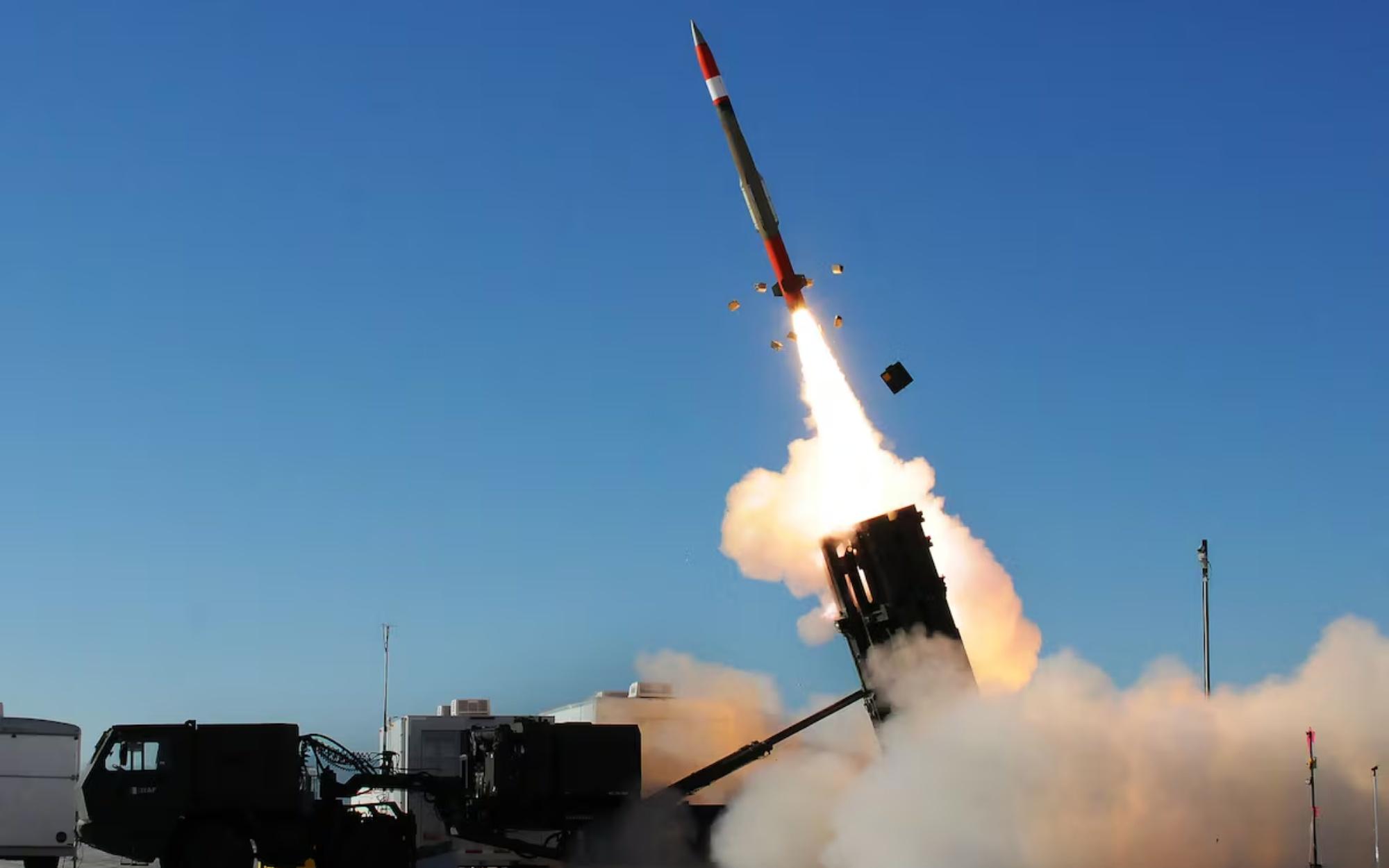
Lockheed Martin announced its own seven year framework agreement in January. That plan calls for annual PAC-3 interceptor production to climb from approximately 600 to 2,000, placing the seeker expansion alongside a much larger interceptor manufacturing push.
The two companies’ announcements address connected pieces of PAC-3 MSE production. Boeing is expanding seeker output, while Lockheed Martin’s framework targets the number of complete interceptors produced each year.
Both production plans run for seven years, creating parallel schedules for the seeker increase and the round surge. Boeing’s latest announcement locks in its part through the approximately $14.7 billion Pentagon agreement.
FREE Gun Law Map: Laws Don't Pause During Social Unrest
Boeing said the seeker work will be completed at its facility in Huntsville, Alabama. The facility will handle the component effort as Boeing moves from early investment into the higher output contemplated by the new agreement.
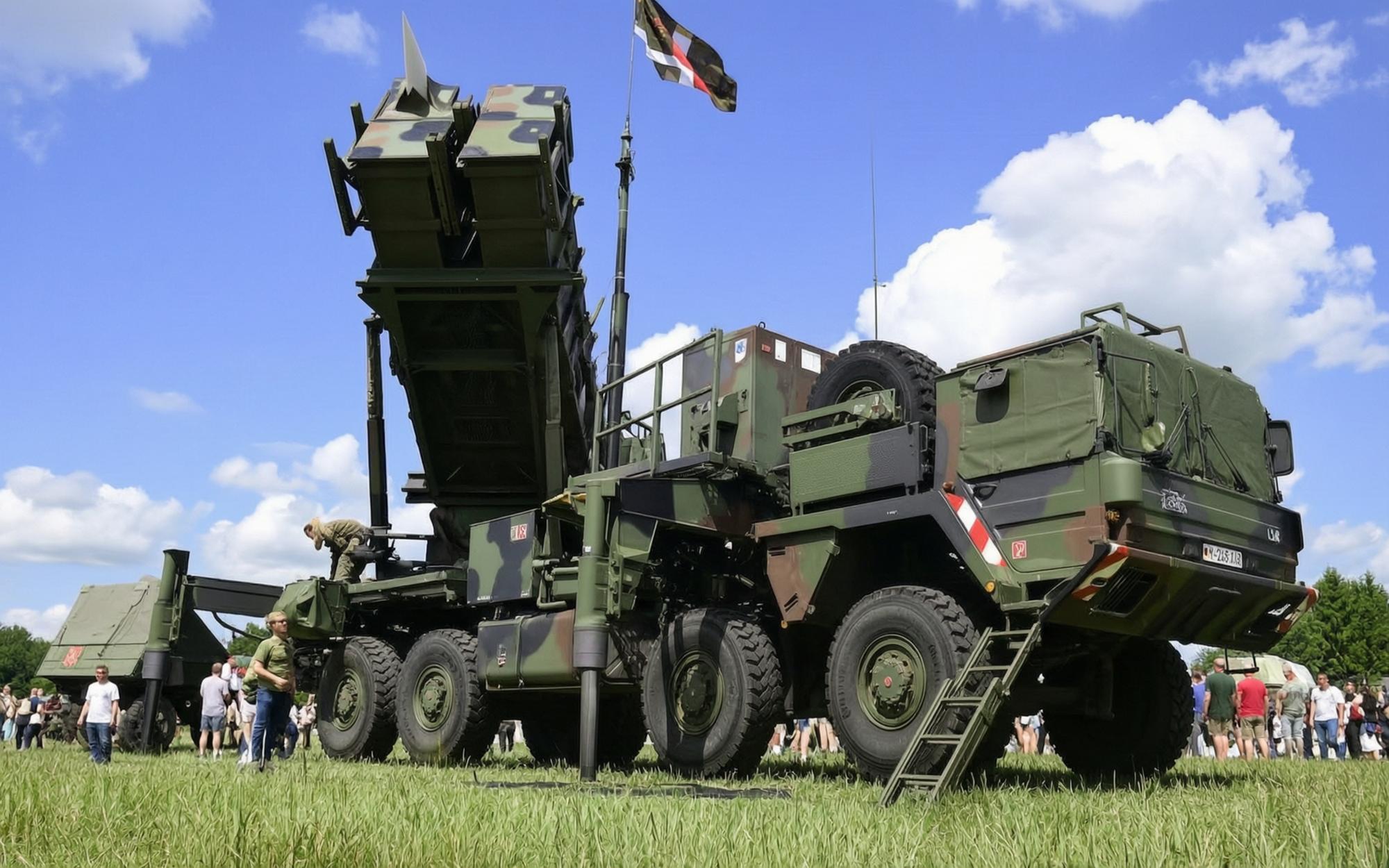
The seeker identifies and tracks a target before the interceptor closes in. Boeing says its PAC-3 seeker can help defeat a range of threats, including ballistic missiles, hypersonic threats and hostile air platforms.
After target identification, the highly maneuverable interceptor engages the threat and destroys it through direct body to body contact. The interceptor uses a two pulse solid rocket motor, pairing that propulsion system with the seeker’s tracking function during the engagement.
That production expansion arrives amid growing scrutiny of how the U.S. military uses costly interceptors against inexpensive munitions. The concern has been particularly focused on munitions deployed by Iran during Operation Epic Fury over the past eight months.
The report places Monday’s production announcement against that period of increased scrutiny. It does not alter the scope of Boeing’s agreement, which centers on raising seeker output over seven years and completing the work in Huntsville.
The seeker contract also capped a busy stretch of major Boeing military business. The previous Tuesday, the U.S. Navy selected Boeing to build its F/A-XX sixth generation fighter for carrier operations under a development contract valued at more than $20 billion.
On that same day, the Air Force signed a $2.38 billion order for 22 additional F-15EX Eagle II fighters. Together with the seeker agreement, those actions put three major military aviation and missile efforts involving Boeing into the news within days.
For the PAC-3 MSE effort, the immediate focus remains the seeker ramp that began under the April framework and is now formalized through the approximately $14.7 billion agreement. Boeing says early investment and execution have positioned it to deliver at unprecedented levels in the near term.
The opinions expressed by contributors and/or content partners are their own and do not necessarily reflect the views of Objectivist. Contact us for guidelines on submitting your own commentary.
Share your opinion
COMMENT POLICY: We have no tolerance for comments containing violence, racism, vulgarity, hard-core profanity, all caps, or discourteous behavior. Thank you for partnering with us to maintain a courteous and useful public environment!