WHAT YOU NEED TO KNOW
- Lockheed Martin unveiled PAC-3 Edge, an interceptor designed to counter hypersonic and other advanced missile threats.
- The interceptor features a new seeker, upgraded flight controls and a Northrop Grumman rocket motor capable of multiple pulses.
- The Army awarded Lockheed Martin a contract worth up to $58.6 billion to accelerate PAC-3 interceptor production.
- Lockheed Martin aims to increase annual PAC-3 manufacturing capacity from about 600 units to 2,000.
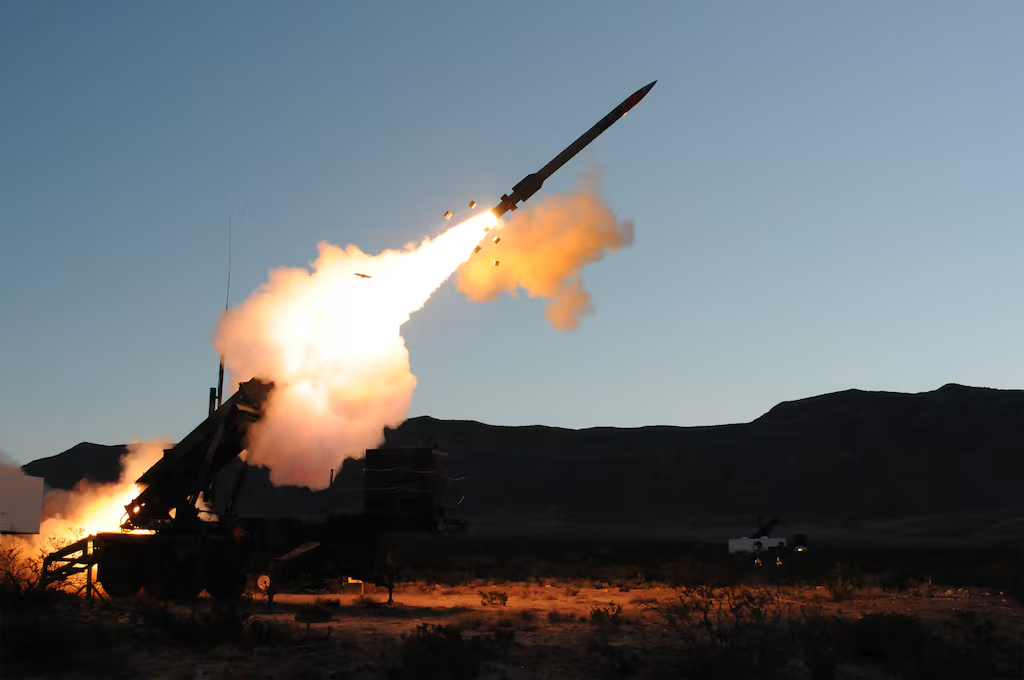
Lockheed Martin unveiled its PAC-3 Edge interceptor Friday, presenting a new weapon designed to defend against hypersonic missiles and other advanced threats. The introduction comes as the U.S. military seeks stronger capabilities against emerging dangers in the air.
PAC-3 Edge is intended to engage advanced missile threats at longer ranges and higher altitudes. Lockheed Martin disclosed several major upgrades aimed at extending the interceptor’s performance beyond the capabilities associated with existing systems.
The interceptor incorporates a new seeker, upgraded flight controls and a rocket motor supplied by Northrop Grumman that can operate with multiple pulses. Lockheed Martin said those changes improve the weapon’s ability to counter sophisticated threats, including hypersonic missiles.
The new seeker is one of the central elements disclosed by the company. Alongside the upgraded flight controls, it is meant to help the interceptor address the demanding flight profiles presented by advanced aerial threats.
Trump's Sovereign Wealth Fund: What Could It Mean For Your Money?
Northrop Grumman’s contribution comes through the interceptor’s rocket motor. The motor, seeker and flight control upgrades together are designed to support engagements over greater distances and at higher altitudes.
Lockheed Martin also offered a direct comparison between the expected cost of PAC-3 Edge and the company’s existing interceptor. “The cost of this would be about that of the existing PAC-3 MSE,” Tim Cahill, president of missiles and fire control at Lockheed Martin, told Reuters.
That comparison places the new interceptor near the cost of a system already being produced. Lockheed Martin did not provide a separate price figure for PAC-3 Edge in the disclosed announcement.
FREE Gun Law Map: Laws Don't Pause During Social Unrest
Cahill also described the production level Lockheed Martin expects when manufacturing reaches full capacity. “At full production, the annual rate would be about 2,000 units a year, comparable with PAC-3 MSE.”
The planned rate reflects a substantial production objective for a weapon intended to confront increasingly advanced threats. It also matches the annual capacity target Lockheed Martin established for its PAC-3 missile interceptor manufacturing effort.
Demand for air and missile defense systems has grown amid the conflicts in Ukraine and the Middle East. That demand has strained U.S. weapons stockpiles, increasing pressure to produce interceptors in far greater numbers.
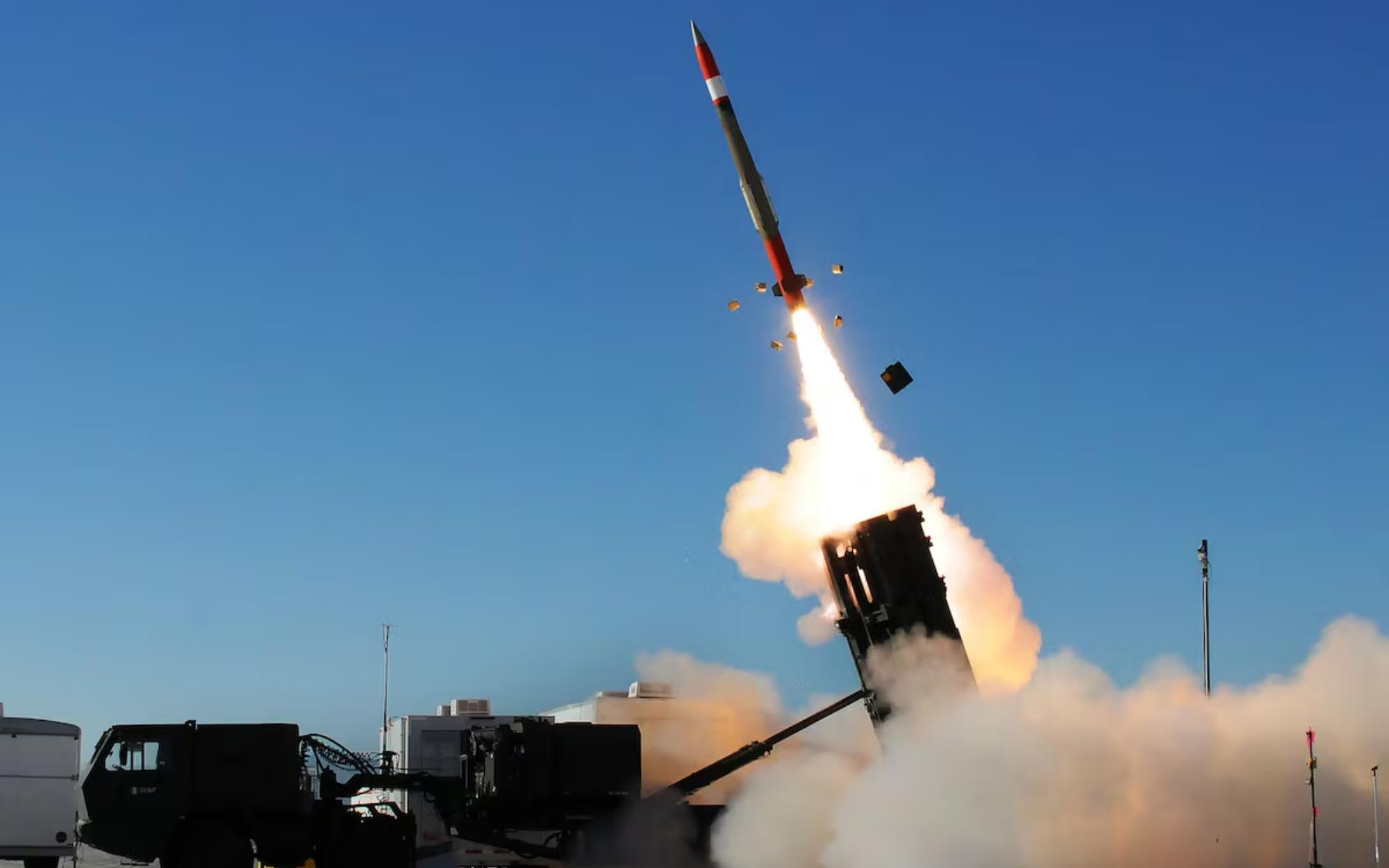
The U.S. Army responded in July by awarding Lockheed Martin a contract valued at up to $58.6 billion. The contract is intended to accelerate production of PAC-3 interceptors as the military works to strengthen available supplies.
Lockheed Martin followed that production push with a framework agreement signed with the Pentagon in January. The agreement lasts seven years and focuses on expanding the company’s ability to manufacture PAC-3 missile interceptors.
Under that agreement, Lockheed Martin aims to raise annual manufacturing capacity from about 600 interceptors to 2,000. That planned increase would add roughly 1,400 units to the company’s stated yearly production capacity.
The 2,000 unit figure now appears in both Lockheed Martin’s broader PAC-3 manufacturing plan and Cahill’s projection for PAC-3 Edge at full production. The company is therefore tying its new interceptor to the same annual production scale envisioned for PAC-3 MSE.
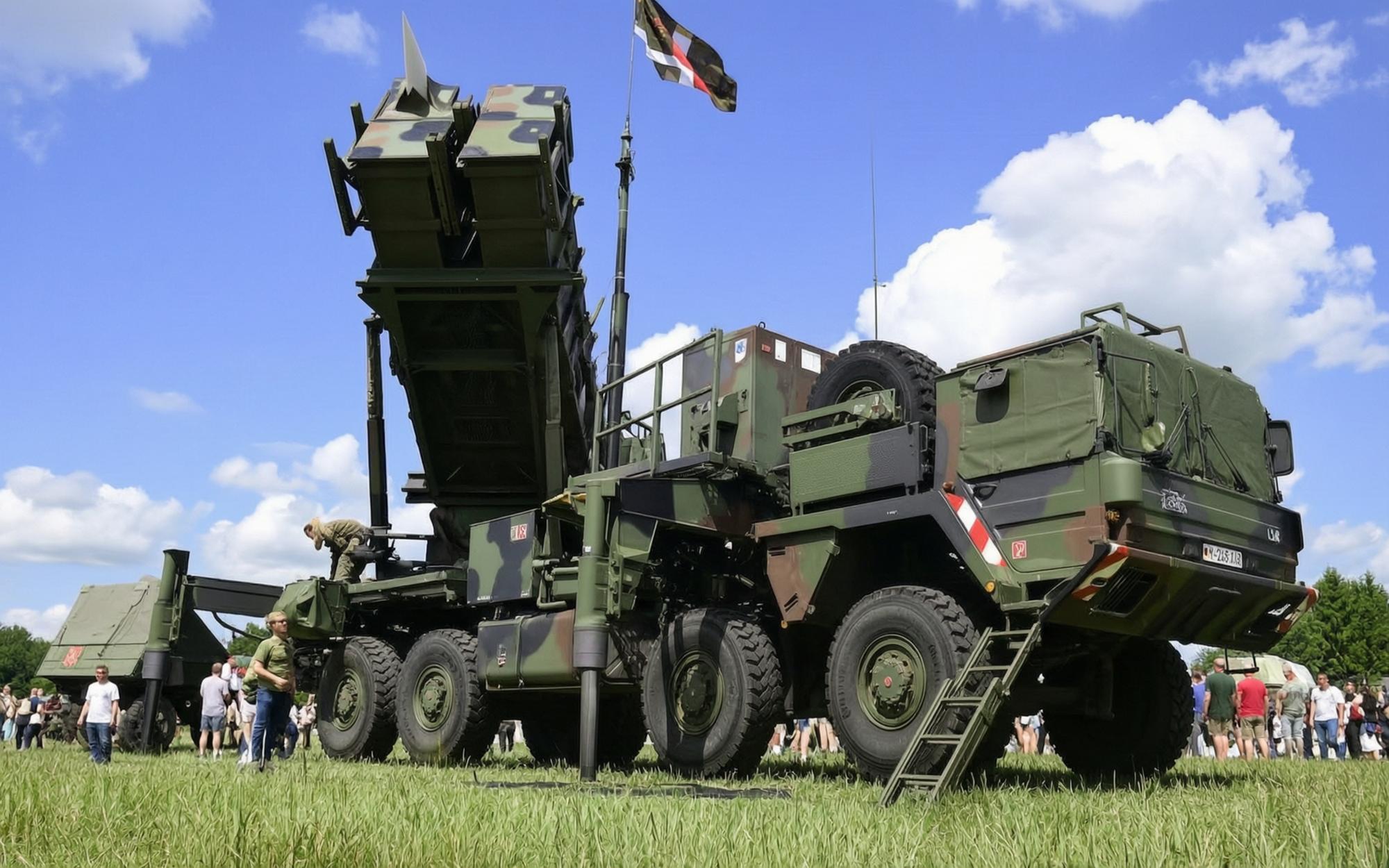
PAC-3 Edge remains part of the PAC-3 interceptor line, but it brings a newly disclosed package of seeker, control and propulsion improvements. Each announced upgrade supports Lockheed Martin’s stated goal of countering advanced missiles at longer ranges and higher altitudes.
The unveiling places hypersonic defense squarely at the center of the company’s latest interceptor effort. With Army funding, a seven year Pentagon framework agreement and a target of 2,000 units annually, Lockheed Martin is preparing for demand at serious scale.
The opinions expressed by contributors and/or content partners are their own and do not necessarily reflect the views of Objectivist. Contact us for guidelines on submitting your own commentary.
Share your opinion
COMMENT POLICY: We have no tolerance for comments containing violence, racism, vulgarity, hard-core profanity, all caps, or discourteous behavior. Thank you for partnering with us to maintain a courteous and useful public environment!