WHAT YOU NEED TO KNOW
- Australia and New Zealand signed Plan Tasman in Canberra to formalize deeper integration between their naval services.
- The pact creates an annual strategic dialogue led by the two deputy service chiefs and establishes working groups for cooperation tasks.
- Australia operates seven Anzac-class frigates, while New Zealand operates two that are expected to reach retirement in the mid 2030s.
- New Zealand is considering either the Mogami-class or Type 31 frigate while expanding defense cooperation with Japan and India.
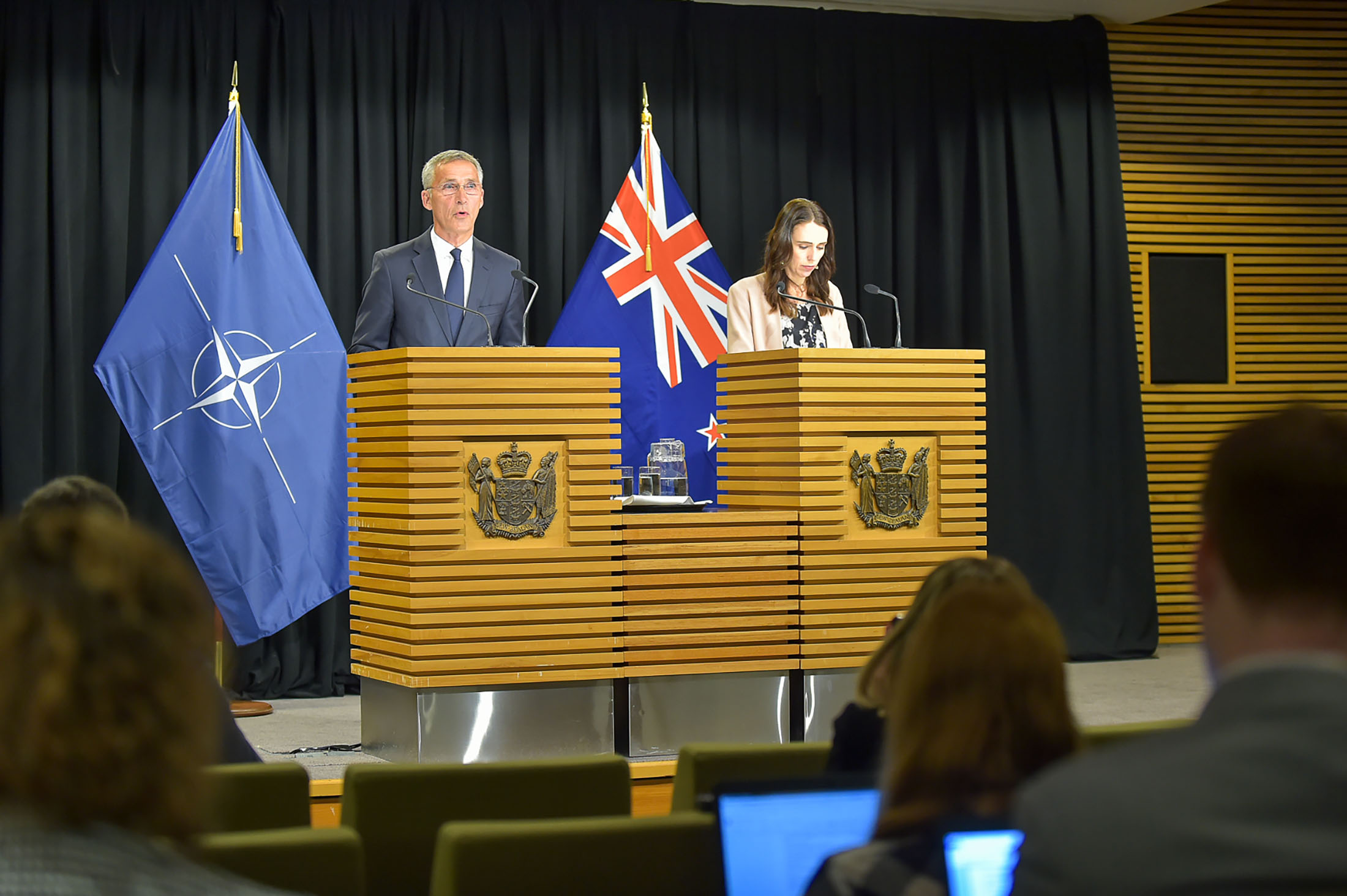
The Royal New Zealand Navy and Royal Australian Navy signed Plan Tasman in Canberra this month, formalizing a blueprint intended to integrate the neighboring sea services more closely.
The pact follows the Tasman Navy Framework, which the two navies established in November 2024. An NZDF spokesperson described Plan Tasman as a strategic guidance document that will govern the relationship between the services.
Plan Tasman gives the navies a formal structure for pursuing deeper organizational and operational integration. It also identifies specific functional areas in which Australia and New Zealand will cooperate.
“It established the strategic dialogue architecture, defines the overarching goal of strengthening organizational and operational integration, and outlines the functional areas of cooperation,” the spokesperson told Defense News.
Trump's Sovereign Wealth Fund: What Could It Mean For Your Money?
One new element is an annual strategic dialogue between the navies. The two deputy service chiefs will lead that dialogue, which will include a working group devoted to various cooperation tasks.
The agreement supports the two countries’ commitment to closer defense relations and their shared vision for increasingly integrated naval cooperation. That cooperation is aimed at securing the Indo-Pacific region.
The pact brings together naval services that differ considerably in scale. The Royal Australian Navy, established in 1901, has 16,000 sailors, about eight times the number serving in the Royal New Zealand Navy.
Australia’s navy operates from eight bases. New Zealand’s navy has one base, Devonport, located in Auckland.
FREE Gun Law Map: Laws Don't Pause During Social Unrest
Women account for about 25% of personnel in both navies. That proportion is shared even though the Australian service has a much larger force and a broader base network.
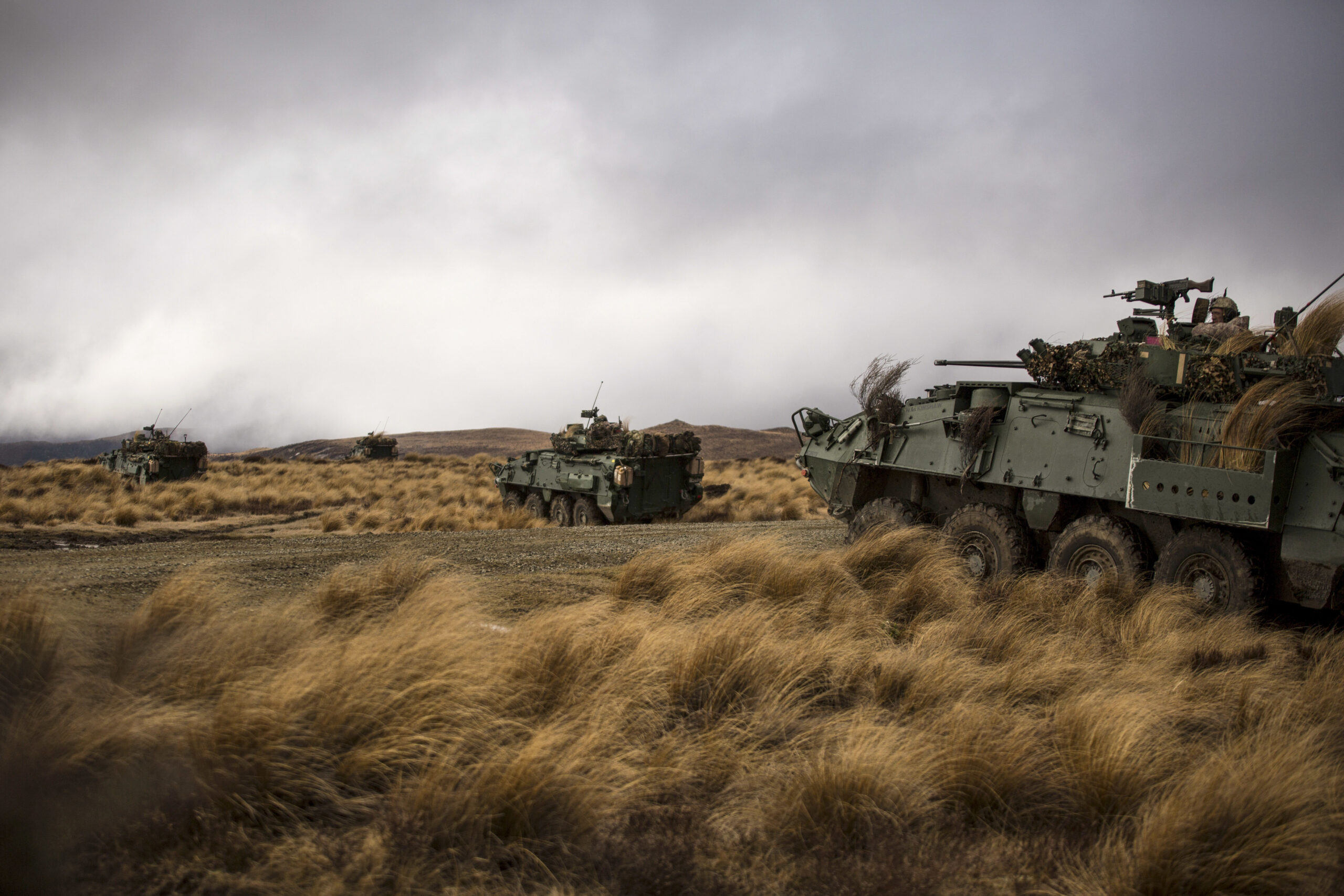
The two fleets also operate Anzac-class frigates. Seven of the 387 foot frigates serve with Australia, while two serve with New Zealand.
Those frigates, along with most of the Royal New Zealand Navy fleet, are expected to reach the end of their service lives in the mid 2030s. That approaching timeline sits alongside separate procurement decisions by both countries.
In April 2026, the Royal Australian Navy signed a contract for 11 Mogami-class frigates. New Zealand has not yet decided whether to select the Japanese design or Britain’s Type 31 frigate.
Indonesia and Poland have ordered the Type 31 frigate. The source did not identify a date by which New Zealand intends to make its selection between the two designs.
New Zealand has already moved forward with another naval aviation purchase. In August 2025, the Royal New Zealand Navy ordered five MH-60R Seahawks to replace its existing Kaman Seasprites.
The Seasprites have been in service since 2001. The five Seahawks are intended to take over their role as New Zealand continues making decisions about the future composition of its naval forces.
New Zealand is also strengthening defense links elsewhere in the region. In December 2025, it signed defense agreements with Japan, adding another formal relationship to its regional cooperation efforts.
Two Japanese warships visited New Zealand last year. A Mogami-class frigate also visited Wellington in May this year, placing one of the designs under consideration in a New Zealand port.
Two months later, India and New Zealand signed a defense cooperation agreement. The two countries also pledged to strengthen maritime security cooperation after upgrading their diplomatic relations.
Plan Tasman now provides the central guidance for the naval relationship between Australia and New Zealand. Through annual strategic dialogue, working groups and defined cooperation areas, the pact formalizes how the two neighboring services plan to pursue closer integration.
The opinions expressed by contributors and/or content partners are their own and do not necessarily reflect the views of Objectivist. Contact us for guidelines on submitting your own commentary.
Share your opinion
COMMENT POLICY: We have no tolerance for comments containing violence, racism, vulgarity, hard-core profanity, all caps, or discourteous behavior. Thank you for partnering with us to maintain a courteous and useful public environment!